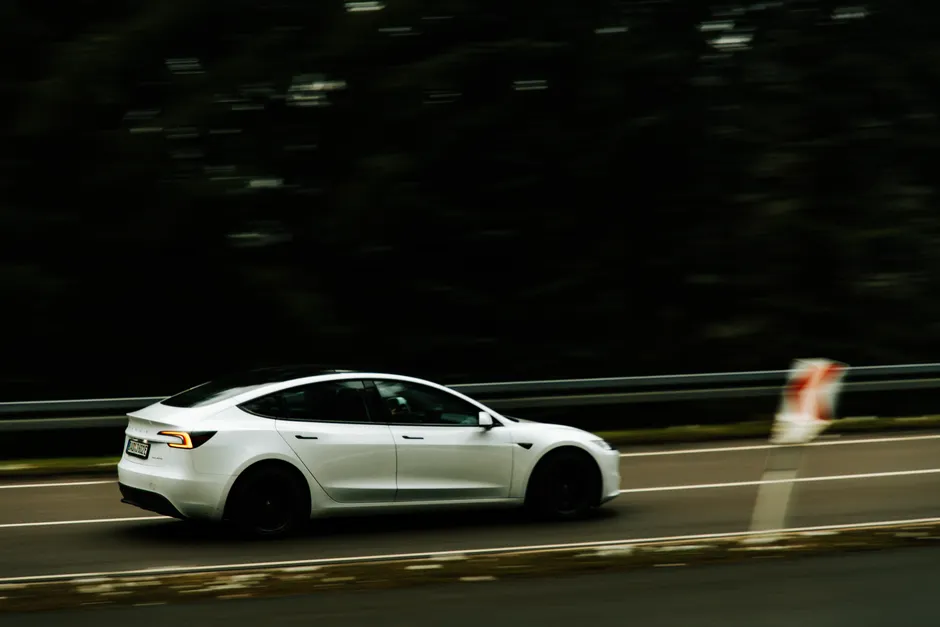
Volvo Is Stopping Sales of Its Cheapest Electric Car in the U.S.

Volvo Is Stopping Sales of Its Cheapest Electric Car in the U.S.
Volvo Cars will stop selling its EX30 electric crossover in the United States after 2026. The EX30 was Volvo's most affordable electric vehicle for American buyers. However, the company will continue selling it in other countries, including Canada.
This decision is limited to the U.S. market. It signals that Volvo is making choices based on what works in each region, rather than selling the same cars everywhere.
Why This Matters for the U.S. Market
Earlier decisions at Volvo suggest the company is rethinking its electric vehicle plans. In September 2024, Volvo announced it would no longer aim to sell only electric cars by 2030. Instead, the company is slowing down its timeline for switching to all-electric vehicles.
This shift reflects what's happening across the auto industry. Electric car adoption has been slower than manufacturers expected, and charging networks still have gaps. Automakers are now being more cautious about how quickly they switch away from gas-powered vehicles.
Volvo's choice to keep the EX30 in Canada but drop it in the U.S. suggests that different countries have different market conditions. Rules from the government, what customers want to buy, how many charging stations exist, and competition from other brands all vary by country. These differences shape which cars make sense to sell where.
The Challenges for Affordable Electric Cars in America
The American electric car market has changed since the EX30 first arrived. Tesla still dominates. Traditional car companies are now making their own electric vehicles. Chinese automakers are entering the market. And gas-powered cars are still widely available and affordable.
Smaller, cheaper electric cars face particular struggles in the U.S. Americans tend to prefer larger vehicles. Many people worry about whether charging stations are convenient enough. Federal tax credits often favor cars made in America, which puts imported vehicles at a disadvantage.
The EX30 was designed to introduce people to both Volvo and electric driving. But it runs up against stiff competition from both traditional automakers launching their own affordable electric options and the simple fact that gas cars are still much cheaper to buy right now.
How Manufacturing and Rules Factor In
When car companies decide where to build and sell cars, they consider more than just what customers want. They also think about costs, where their factories are, and government rules.
Think of it like a recipe. The ingredients cost different amounts depending on where you buy them. If a factory is in one location versus another, or if a country charges tariffs on imported cars, the final price changes. Same car, different costs in different places.
The U.S. government passed the Inflation Reduction Act, which gives tax credits to people who buy electric cars. But those credits require a lot of the car to be made in America. This rule makes imported electric vehicles, like the EX30, less attractive to buyers because they don't qualify for the full credit.
What This Means Going Forward
Removing the EX30 from the U.S. leaves American customers with fewer options if they want an affordable Volvo electric car. People interested in Volvo's electric vehicles will have to look at more expensive models.
For the broader American electric car market, this is one fewer choice in the affordable segment where options are already limited compared to what exists for gas-powered cars.
In my view, Volvo's approach suggests the company is taking a more realistic approach to electric vehicles. Rather than pushing electric cars into every market at every price point, Volvo is focusing on places and vehicle types where it can actually make money selling them. This reflects a shift happening across the entire car industry. Manufacturers are moving away from aggressive timelines that promised all-electric sales by a certain date. They are now choosing slower, steadier paths forward.
The EX30's situation shows that even established car companies struggle when introducing new types of vehicles. The U.S. automotive market has unique challenges—it's large, diverse, and shaped by rules that favor domestic production. The EX30 faced too much headwind to keep selling here, even though it succeeds elsewhere.