Trump Administration Allows Volvo to Keep Selling Connected Cars in the US

Trump Administration Allows Volvo to Keep Selling Connected Cars in the US
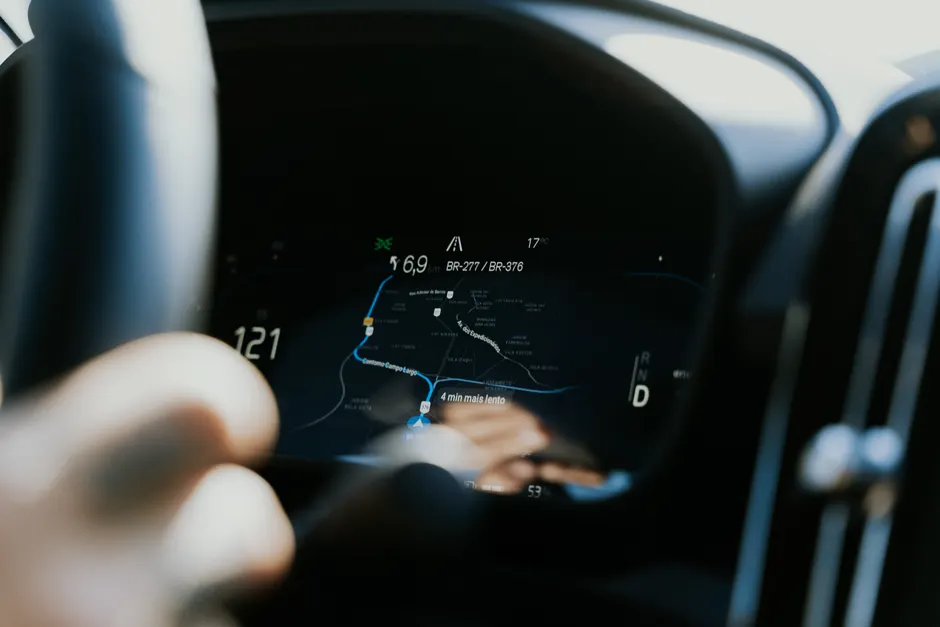
The Trump administration has given approval for Volvo Cars to continue selling vehicles with internet-connected features in the United States. The decision ends uncertainty about whether the company would face restrictions on these imports.
Volvo Cars is owned by a Chinese company called Geely, which bought it in 2010. That ownership raised questions from the government about data security — specifically, what information these connected vehicles collect and who might be able to access it. The approval means Volvo can keep selling cars with features like remote software updates, real-time diagnostics, and systems that talk to the internet.
What Connected Car Technology Does
Modern cars are computers on wheels. A typical vehicle today has thousands of electronic components — sensors, processors, and communication devices — that collect information constantly. These systems send data back to the car manufacturer, service centers, and sometimes other services connected to the road.
The data collected includes where the car is, how it's being driven, engine condition, and how the driver behaves behind the wheel. This information is useful for things like alerting you before parts need replacement or helping locate your car in an emergency. But the same connections that make those helpful features possible also create security risks — if the wrong person accessed these systems, they could potentially track a vehicle's location or interfere with how it operates.
This is why the government has been paying close attention to connected cars, especially those made or controlled by foreign companies.
Why Ownership Matters Here
Geely is based in China, and the US government has been careful about Chinese-owned companies that handle data about American vehicles and roads. However, Volvo still operates independently, with factories in Sweden and Belgium. The company also manufactures vehicles in the United States.
The approval suggests the government didn't simply say no to any Chinese-owned automaker. Instead, it looked at each case separately — examining how Volvo actually handles data, what security protections it has in place, and whether the company truly operates on its own.
How Other Industries Set a Pattern
We have seen this approach before in telecommunications, where regulators reviewed specific companies case by case rather than blocking everything from a certain country. The question became: does the company have proper security practices and controls, rather than simply: where is the company based.
This matters because modern cars, like many complicated products, use parts from many different countries. A completely "American-made" car would be practically impossible. Security has to come from doing the job right — having proper protections in place — rather than from trying to source everything domestically.
What This Means for the Future
The approval removes worry for Volvo about its plans to add more connected features to its US vehicles. It also signals to other automakers, particularly those with Chinese involvement, what the government will ask for: transparency about how they handle data, real security practices, and the ability to operate independently from foreign control.
The broader context here is that the automotive industry is deeply connected to global manufacturing and technology. Blanket restrictions on imports would be difficult to enforce and could harm both American workers and the companies that have invested in operations here. Targeted requirements about how data is handled serve security goals without cutting off established business.
In my view, this case-by-case approach is a practical way to handle security concerns that don't have easy answers. Instead of broad prohibitions based solely on where a company is located, the focus on specific technical practices and operational independence allows regulators to address real security risks while keeping the market functioning.