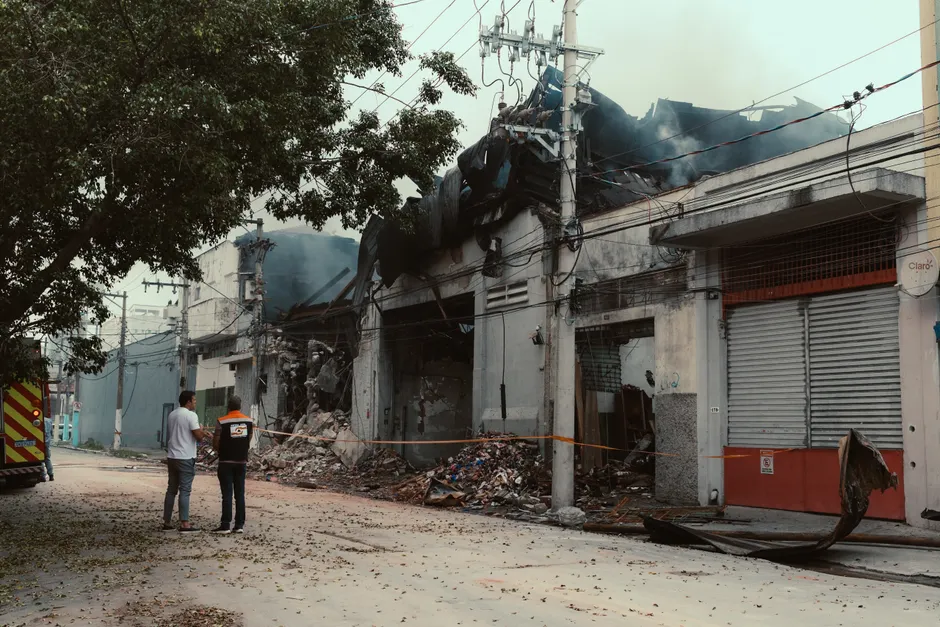
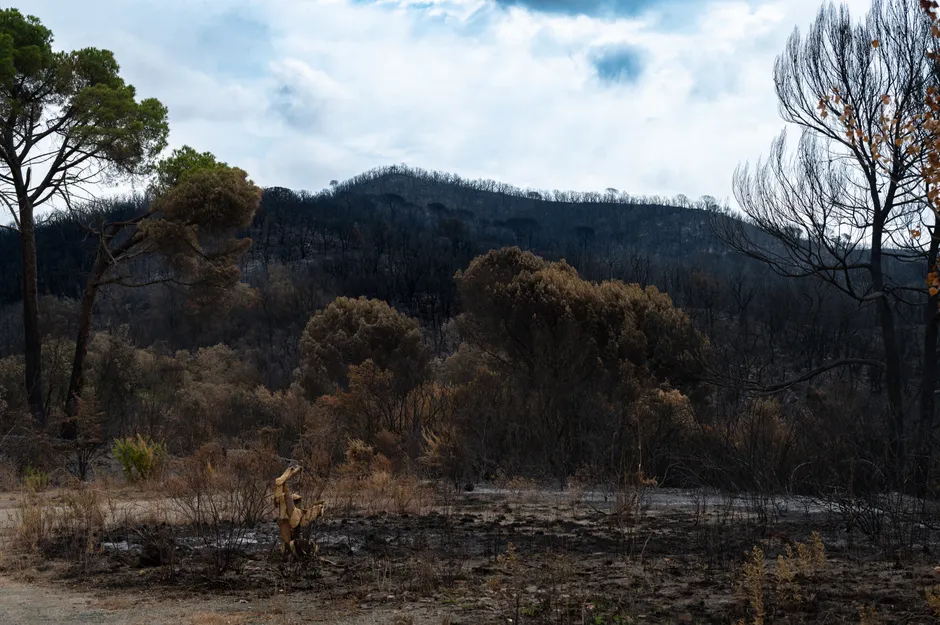
What's Happening With the France Wildfires Near Bordeaux?

On 28 July 2026, French authorities told nearly 4,000 people to leave their holiday spots around Lacanau, a town west of Bordeaux, because wildfires were still burning across the area The Guardian.
The fire, called the "Incendie de Saumos" by local officials, had burned through 42,000 hectares (about 104,000 acres) of forest by 28 July The Guardian. Fire commander Rémi Lassoureille told the newspaper Le Monde that the evacuation was ordered because firefighters worried the fire might flare up again near Lacanau. He said the blaze was "relatively under control" but that the evacuation was a safety precaution The Guardian.
French President Emmanuel Macron visited a crisis centre in Bordeaux on 28 July. He called it the "toughest" situation France had faced "since the second world war" The Guardian.
This was not the first evacuation in the area. On 22 July, 3,500 people were moved from the Porge Nord-Est quarter to Lacanau, using 600 vehicles Préfecture de la Gironde. By 24 July, reception centres were open in three towns — Lège-Cap-Ferret, Lacanau, and Le Porge — to take in evacuees Préfecture de la Gironde. Officials gave another update on 27 July Préfecture de la Gironde.
In total, 200,000 people were evacuated from their homes across the Gironde department during the July wildfires, according to reporting from 25 July CNN. More than 1,200 gendarmes — France's military police — were sent to help across two departments, Gironde and Landes Gendarmerie Nationale.
The broader context here is that this wildfire season has been exceptionally severe in south-western France. When Macron compared the situation to World War II, he was sending a signal that the government sees this as more than a typical summer disaster. It suggests they may treat wildfires more like a national security threat in the future, which could change how money and resources are spent and what laws the parliament takes up next.
The way authorities handled the evacuations shows a clear strategy: they moved people out before the fire reached them, not after. Lassoureille called the fire "relatively under control" but still ordered 4,000 more evacuations. That captures the core problem — firefighters can hold the line, but a sudden gust of wind can change everything fast.
With 200,000 people displaced and reception centres open for days across three towns, people could not go home until the fire behaviour allowed it, not on a set schedule. Looking ahead, the 42,000 hectares of burned land will need serious work to recover. Soil must be stabilised, forests replanted, and the local tourism economy, which depends on summer visitors, will need support. If Macron's language turns into real policy, France's approach to preparing for future wildfire seasons could change for years to come.