Insta360's New Wireless Microphone Has a Screen on Each Unit—Here's Why That Matters

Insta360's New Wireless Microphone Has a Screen on Each Unit—Here's Why That Matters
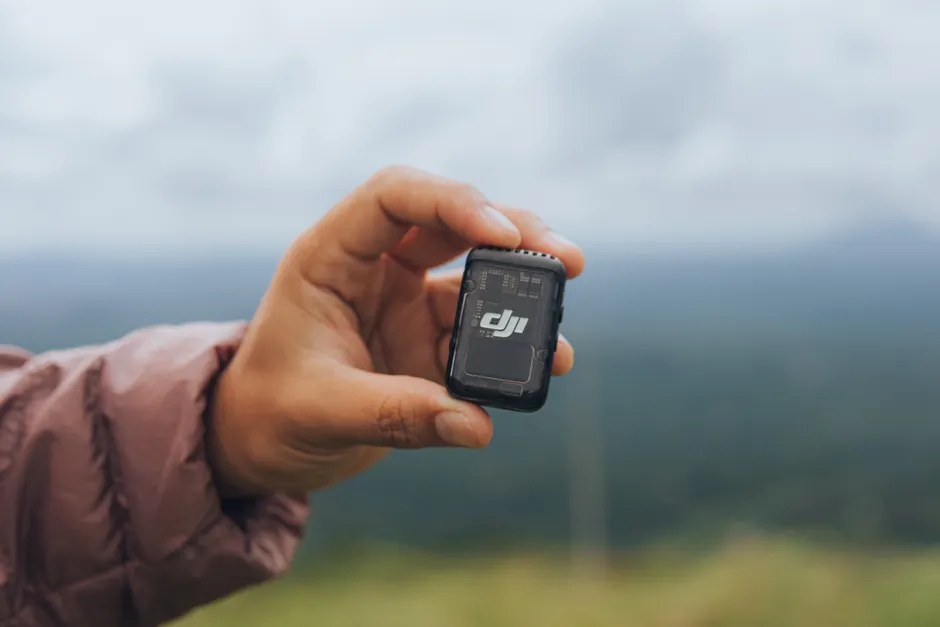
Insta360 has released a wireless microphone system called the Mic Pro that includes a small E-Ink screen on each microphone unit. This is the first wireless microphone in its category to have this feature. The system is aimed at people who make videos — from hobbyists to professionals — and solves a real problem: knowing whether your microphones are actually recording when the people wearing them walk away from you.
The Mic Pro comes with two microphones that transmit wirelessly, a receiver, and a charging case. The price is $329.99 for the full kit, with individual microphones available for $99.99 each if you need more.
What Problem Does It Solve?
When you're filming with wireless microphones, you're usually watching a screen or receiver elsewhere. Once the person wearing the microphone moves across a room or out of sight, you lose visual confirmation that everything is still working. The battery might be dying. The connection might have dropped. You won't know until you play back the footage.
The Mic Pro's small E-Ink screen on each microphone addresses this directly. It shows battery level, whether the microphone is recording, and whether it's connected properly. This means talent — the person speaking into the microphone — can see at a glance if something is wrong, and so can the person operating the camera.
How the Technology Works
Each microphone unit contains three separate microphone elements arranged to pick up sound from the direction the person is facing, while filtering out noise from behind. This is why the units are larger than some competing wireless microphone systems.
The system records audio at high quality (what professionals call "32-bit float" recording) and at a standard rate of 48kHz — the same rate used in professional video production worldwide. This combination means the system captures audio with enough detail that if the volume got a bit too loud during recording, you can usually fix it later without ruining the sound.
The microphones connect wirelessly in two ways. If you're using certain Insta360 cameras — models like the X5, Ace Pro 2, or GO Ultra — the microphones can connect directly to the camera without needing a separate receiver. For other cameras or devices, you use the included wireless receiver, which connects via USB-C or a standard audio cable. The microphones also connect to smartphones via Bluetooth if you want to record interviews or notes on your phone.
Battery Life and Practical Use
Under normal testing, the battery lasts about 10 hours on a single charge. The included charging case holds additional power, so you can keep recording through a longer shoot day. In practice, how long the battery actually lasts depends on how far away you are from the receiver and how often the small screen refreshes.
The E-Ink screen is worth understanding here. Unlike a typical phone screen that uses power constantly, an E-Ink screen only uses power when the image changes. This is the same technology used in e-readers like Kindle. So the screen shouldn't drain the battery much, but the extra size and features of the Mic Pro do mean it's larger and heavier than simpler wireless microphone options.
Where This Fits in the Market
The Mic Pro sits in what professionals call the "prosumer" tier — too advanced for casual users, but more affordable than high-end broadcast equipment. It competes with established wireless microphone brands that have traditionally focused on sound quality and reliability, but haven't paid much attention to helping you see what's happening with your equipment.
There's a pattern in technology history worth noting here. In the early 2000s, action camera makers like GoPro forced traditional camcorder manufacturers to completely rethink their products because they approached the problem differently. Something similar may be happening now with microphones. Insta360 is a camera company thinking about microphones in new ways — adding screens, simplifying connections, building in better recording technology — rather than a microphone company doing things the way they've always done them.
The broader context here is that wireless microphone technology has looked much the same for decades. The Mic Pro's approach — adding visual feedback and tighter integration with cameras — suggests that traditional microphone makers may need to innovate more aggressively to stay relevant.
What the Tradeoffs Are
Adding more hardware and features to a small device always involves tradeoffs. The E-Ink screen, the three microphone elements, and the processing power needed for high-quality recording all make the Mic Pro physically larger and more complex than simpler wireless microphone systems. The company has to balance battery life, audio quality, display functionality, and durability.
One limitation worth noting: the direct connection to Insta360 cameras ties users to that specific ecosystem. If you want to use the Mic Pro with a different camera brand in the future, you'll need to use the external receiver instead. This isn't a deal-breaker for most people, but it's worth understanding if you're considering this as a long-term investment.
The higher-quality recording mode the system supports — 32-bit float — requires more processing power and storage, which helps explain both the larger size and the higher price compared to basic wireless microphone systems.