The U.S. and Saudi Arabia Bombed Iran-Backed Sites Together: Here's What's Going On

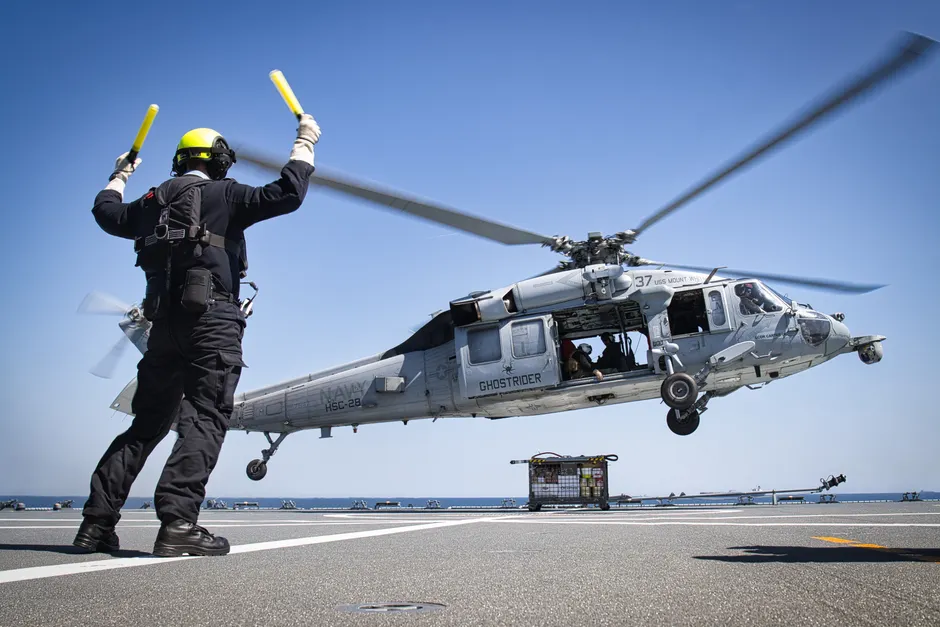
The United States and Saudi Arabia announced on July 29, 2026, that they had carried out joint airstrikes against sites in Iraq connected to Iran. The New York Times reported the news, and U.S. Central Command, the military command that oversees American operations in the Middle East, confirmed it.
This came at the end of a month where the conflict between Iran and the United States changed in a big way. Instead of fighting each other indirectly through armed groups acting on their behalf, both sides began striking each other's military bases directly.
Here is why that matters. For years, Iran has used armed groups in Iraq and Syria, called "proxy groups," to pressure the United States and its partners. A proxy group is like a stand-in: it does the fighting for a larger country, which can then deny involvement. What happened in July 2026 is that both Iran and the U.S. stopped using stand-ins and started attacking each other's military forces directly.
According to CENTCOM, President Joe Biden ordered the Pentagon and his top national security advisers to prepare response options after an Iranian attack killed at least two U.S. military personnel. Reuters reported on July 18 that the U.S. had struck Iran directly in retaliation for those deaths. The Associated Press confirmed that the U.S. launched additional airstrikes against Iran on July 19, and again on July 22. Both sides threatened further action.
The Iranian strikes that set off this cycle were carried out by the Islamic Revolutionary Guard Corps, or IRGC. The IRGC is a powerful branch of Iran's military that reports directly to Iran's supreme leader, not to the regular army. IRNA, Iran's state news agency, reported on July 18 that the IRGC had launched missiles and drones at a U.S. base in Jordan. On July 21, IRNA reported that the IRGC said several U.S. troops were killed in a strike on a military compound in Jordan. By July 24, IRNA reported that Iran had destroyed U.S. military housing and fighter jets in Jordan and in Erbil, a city in northern Iraq. These claims could not be independently verified by Western news organizations.
The current exchange has deeper roots. On June 10, Reuters reported that Iran had launched missile and drone attacks on U.S. bases in Jordan, Kuwait, and Bahrain. A U.S. official told Reuters at the time that those attacks caused no significant damage. The June strikes followed U.S. military action near the Strait of Hormuz, a narrow waterway between Iran and Oman through which about a fifth of the world's oil supply passes every day.
Saudi Arabia joining the July 29 strikes is significant because it widens the group of countries acting against Iran's network of armed groups. The CENTCOM announcement described the targets as "Iran-backed terrorist sites in Iraq." This language frames Saudi Arabia's role as part of a counterterrorism effort rather than a dispute between two countries. It also suggests that Gulf countries — the nations bordering the Persian Gulf that are most exposed to Iranian missiles — are shifting from simply trying to avoid accidental clashes to actively joining the U.S. in military operations.
The broader context here is that several things stand out about where this conflict may be heading. Iran's decision to use its own military force, the IRGC, instead of proxy groups signals that Tehran wanted to openly claim responsibility for strikes on U.S. personnel. Think of it like a card game where both players have stopped using intermediaries and are placing their own cards on the table. When both sides openly admit to attacking each other with their own forces, it becomes easier for each round of retaliation to trigger the next one, and harder for either side to step back.
The geographic spread also matters. Iran has targeted U.S. facilities in Jordan, Kuwait, Bahrain, and Erbil, covering nearly the full range of where U.S. troops are stationed in the region. Jordan had mostly stayed out of the Iran-U.S. conflict until now. The involvement of Erbil pulls Iraqi Kurdistan into the conflict as well, overlapping with the U.S.-Saudi strikes in Iraq itself.
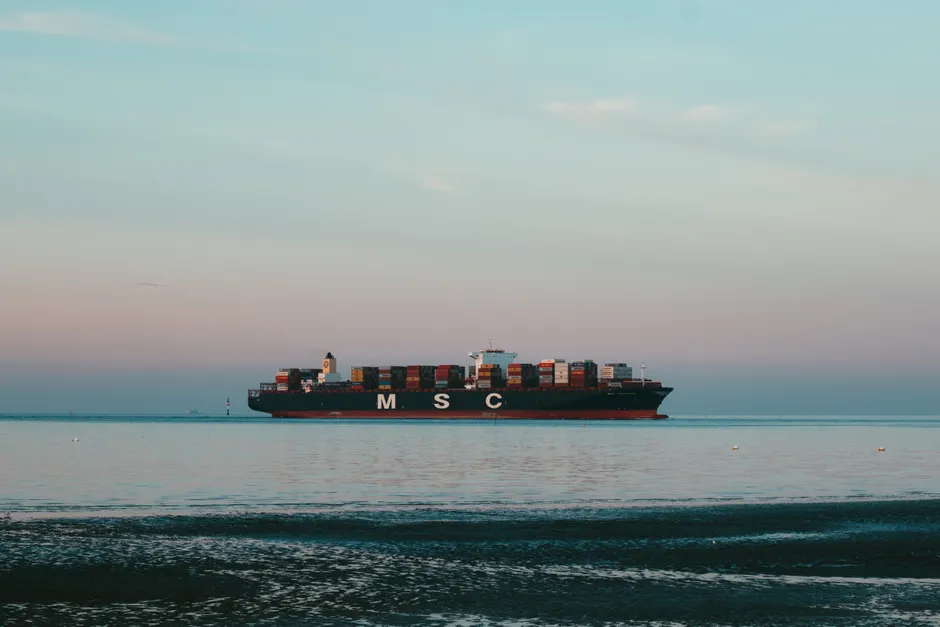
The Strait of Hormuz remains a major concern. The June 10 Reuters report connected Iran's initial missile launches to earlier U.S. strikes near the strait. Neither side has directly threatened the waterway, but with U.S. strikes near Iran's coastline and Iranian retaliation across the Gulf, those shipping lanes are effectively inside the area where fighting is taking place.
The competing claims about casualties deserve scrutiny. Iran's state media says its strikes destroyed U.S. fighter jets, military housing, and killed multiple U.S. troops. The verified U.S. figures confirm at least two military personnel killed. Iranian state media has a track record of exaggerating the damage from strikes on U.S. and Israeli targets. The U.S. government has not released a full damage assessment for the July strikes on its Jordan facilities, so a gap remains between the two accounts that independent reporting has not yet filled.
What can be confirmed is the pace of the fighting. Between June 10 and July 29, the conflict moved through several stages: Iran's first direct strikes on multiple U.S. bases in the Gulf, confirmed U.S. retaliatory strikes on Iranian soil on July 18, 19, and 22, and then the July 29 U.S.-Saudi joint operation in Iraq. Each stage involved direct military action by one country against another, not fighting through proxy groups.
In my view, Saudi Arabia joining the strikes as a partner, Iran's choice to operate under its own flag, and the expansion of the fighting across more countries all point to a confrontation that has fundamentally changed. It has moved from a system of indirect pressure to direct military exchanges, and no mechanism for de-escalation is currently in place.