Why Saudi Arabia Just Joined the US-Iran War — and Why It's Risky
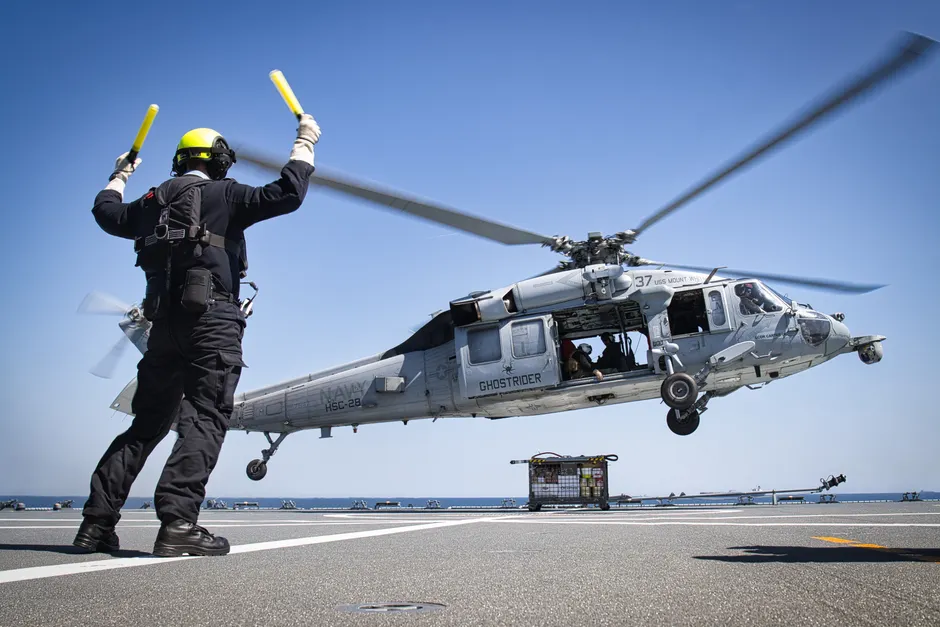
In late July 2026, Saudi Arabia helped the United States carry out airstrikes against Iranian-backed fighters in Iraq (Al Jazeera). This was a big change. Until then, Saudi Arabia and other Gulf countries had tried to stay out of the fighting between the US and Iran.
The 2026 Iran war was already spreading across the region. On July 21, Iranian forces attacked US embassies and military bases in Saudi Arabia, the UAE, Qatar, Kuwait, Bahrain, and Iraq (Britannica), as well as sites in Jordan (Reuters). The US said Iran's Revolutionary Guard — a powerful military force that reports directly to Iran's supreme leader — launched surprise missile attacks (Al Jazeera; New York Times).
By late July, the fighting even reached the Caspian Sea, far to the north. Iran also accused Ukraine of being involved in the war (Al Jazeera).
To the south, a group called the Houthis — rebels who control part of Yemen and are backed by Iran — declared a maritime embargo on Saudi Arabia on July 20 (Reuters). An embargo means they threatened to attack any ships trying to trade with Saudi Arabia by sea.
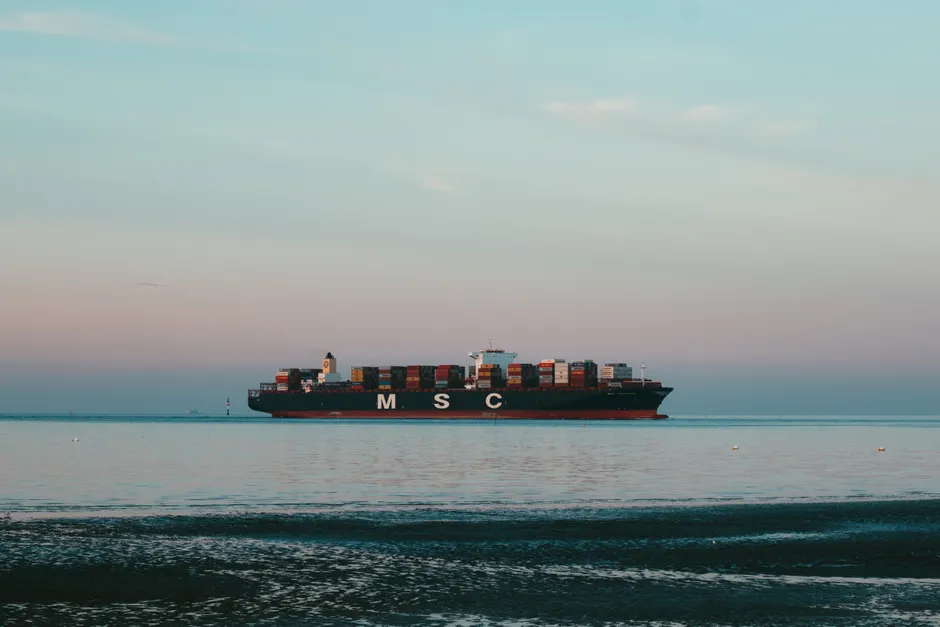
This is a major problem for Saudi oil. The country pumps about five million barrels of oil per day through a pipeline to a shipping terminal on the Red Sea. On July 21, oil tankers headed for China and India turned around because of Houthi threats in the Red Sea (Reuters). By July 24, the Houthis fired on Saudi oil facilities and reportedly damaged an oil depot (Reuters).
The broader context here is a conflict Saudi Arabia thought it had mostly settled. For seven years, Saudi Arabia bombed the Houthis in Yemen, trying to defeat them. It didn't work. In 2022, Saudi Arabia agreed to a fragile truce, reportedly including payments to calm things down. Now that calm has shattered. The Houthis are attacking Saudi airports in the cities of Abha and Jizan, in retaliation for a July 13 Saudi strike on an airport in Sanaa, Yemen's capital. Yemen's Saudi-backed government said that strike was meant to stop an Iranian plane from landing. The Houthis also started attacking Saudi ships in the Red Sea, making it dangerous to pass through the Bab El Mandeb strait — a narrow stretch of water that connects the Red Sea to the open ocean. That has cut off Saudi oil exports to Asia. So Saudi Arabia now faces attacks from Yemen to the south and from Iraq to the north at the same time. None of this was part of Saudi Arabia's Vision 2030 plan, the country's sweeping effort to modernize its economy.
What this means is that the threats to oil facilities, airports, and shipping lanes all hit at the same time, directly undermining the economic assumptions behind Vision 2030. The Houthi embargo on July 20 came shortly after signs that countries were trying to calm the US-Iran conflict through diplomacy. That timing suggests the Houthis may have escalated their sea attacks to punish Saudi Arabia for joining the US-led strikes, rather than simply following Iran's orders. On July 24, the US did not strike Iran for the first time in about two weeks, even as the Houthis fired on Saudi oil sites. That gap raises real questions about whether the US will reliably protect its Gulf partners when things get worse.
Saudi Arabia's decision to join the US in striking Iranian-backed militias in Iraq was a break from years of Gulf countries trying to avoid direct involvement in the US-Iran conflict. With Iranian attacks hitting US facilities across six countries, including Saudi soil, and the war reaching as far as the Caspian Sea, the conflict has grown wider than the peace frameworks Gulf states spent years building were designed to handle.