Why the U.S. and Saudi Arabia Bombed Iran-Backed Groups in Iraq
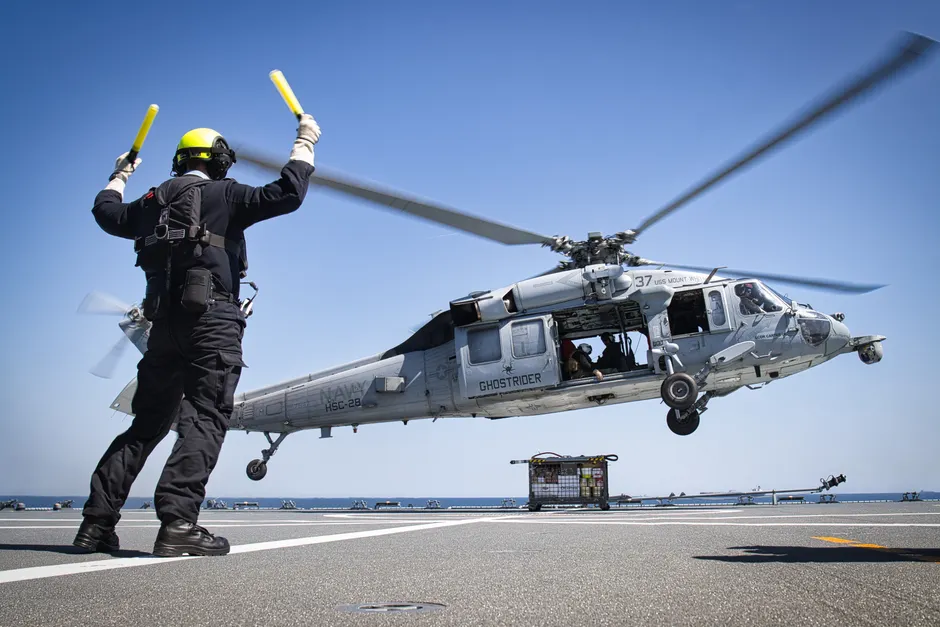
On July 29, 2026, the United States and Saudi Arabia carried out joint airstrikes against Iran-backed militias in eastern Iraq. The strikes came after attacks on American military personnel and Saudi oil facilities. Both the U.S. military command for the Middle East and the Saudi Ministry of Defense confirmed they took part in the operation, which targeted militant groups aligned with Iran operating in eastern Iraq (Al Jazeera; CBS News).
To understand why this happened, it helps to know about proxy groups. Iran does not always attack its rivals directly. Instead, it supports and directs armed militias in countries like Iraq — groups that fight on Iran's behalf without being part of Iran's official military. These are called proxy groups. In late July 2026, Iran also directly targeted U.S. military sites in the region, which was a step up from using proxies (New York Times).
Saudi Arabia joined the operation in retaliation for drone attacks launched from Iraqi territory against Saudi oil targets (Reuters). By acting together with the United States, Saudi Arabia sent the message that it holds these militias responsible for threatening its oil infrastructure — the facilities that produce and export oil, which is the backbone of the Saudi economy. For the United States, the strikes were a direct response to attacks on American forces stationed in the region (CBS News).
Iraqi armed groups aligned with Iran condemned the airstrikes, calling them a "dangerous escalation" (Al Jazeera). The specific militant groups targeted and the extent of the damage have not been detailed in the confirmed reporting (DW).
The broader context here is that two separate threats pushed the U.S. and Saudi Arabia to act together. Iran's direct targeting of U.S. military sites in late July was a notable escalation, because when one country attacks another country's military directly — rather than through militias — the risk of a wider war goes up. By combining forces, the U.S. and Saudi Arabia sent a clear signal to Iran and its allied militias: attacks on American personnel and Saudi oil infrastructure will be met with a joint military response, not separate ones.
The condemnation from Iraqi armed groups raises a concern. When these groups call the strikes a "dangerous escalation," they may see the operation as a provocation that justifies further retaliation. That could create a cycle where each side's military response triggers more violence from the other — the opposite of deterrence.
The fact that both the U.S. and Saudi militaries confirmed their participation means the operation was planned together at the command level, not just two countries happening to act at the same time. This kind of military cooperation between the U.S. and Saudi Arabia against targets in Iraq is part of the larger confrontation between Iran and its regional rivals. Saudi Arabia's direct involvement, driven by its own security concerns, adds complexity to the long-running tensions between the U.S. and Iran that have shaped the region's security landscape for years.