Why Did Israel Bomb a Mosque in Gaza? Here's What Happened
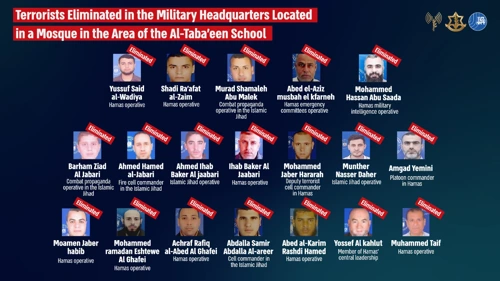
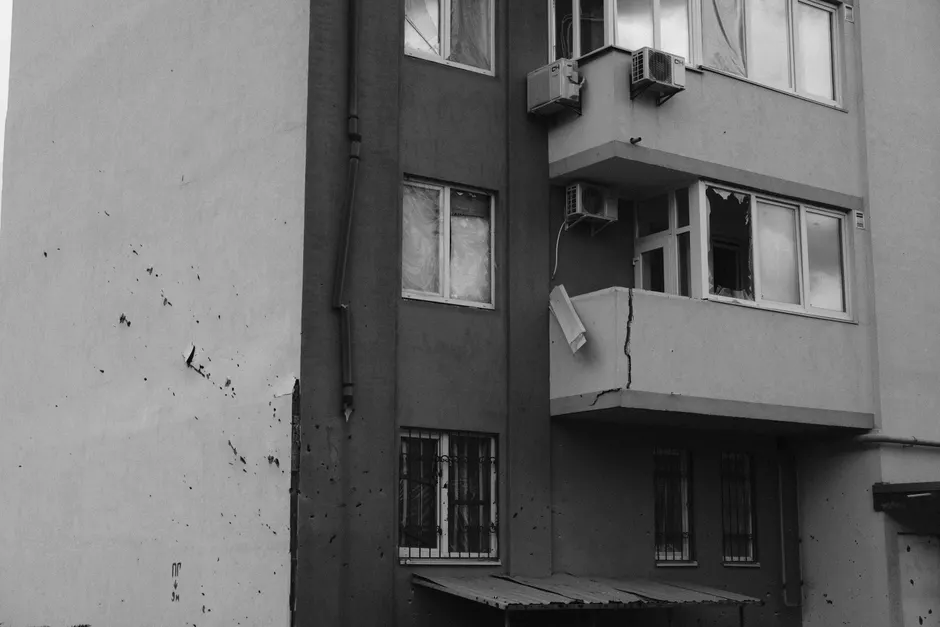
On July 29, 2026, the Israeli military struck a mosque in Gaza City. The IDF said the building was being used by Hamas to store weapons Barron's/AFP. The strike hit arms depots that included the mosque site, and the IDF said the weapons stored there were meant for use against Israeli soldiers and civilians JNS. Footage of the aftermath spread the same day The Guardian.
The IDF's explanation relies on a claim it has made for a long time: that Hamas turns religious sites, including mosques, into military facilities. The military has a page on its official website saying Hamas uses holy places in Gaza to store weapons and hide tunnel entrances IDF. In another statement about earlier operations, the IDF said it had targeted a rocket launching site placed next to a mosque, from which militants had fired rockets IDF.
These claims together place the July 29 strike within an ongoing Israeli story. The IDF is not just giving a one-time reason for hitting the mosque. It is tying the action to a broader pattern of what it says is Hamas abusing protected buildings. This two-part approach — explaining the specific strike and providing background context — has been a steady feature of Israeli military communications throughout the conflict.
The legal and diplomatic stakes of striking religious sites are high. Under international humanitarian law (the rules that govern how wars are fought), places of worship are generally protected from attack. But that protection is not absolute. It can be lost when a site is used to do harm to an enemy, such as storing weapons or carrying out military operations. A simple way to think about it: a church or mosque is like a safe zone, but that safe-zone status disappears if it becomes a military asset.
The key legal question is not whether misuse of a mosque is impossible, but whether the specific intelligence behind the strike met two standards: military necessity (the target had clear military value) and proportionality (the force used was not excessive compared to that value). The IDF's public statements say weapons were present. They do not release the intelligence that would let outside experts independently check whether the strike met those legal standards.
The broader context here is worth noting. The IDF said the weapons were intended for use against soldiers and civilians. Under international law, soldiers and civilians are two different categories. By grouping them together, the statement emphasizes the threat to ordinary people, which makes the strike seem more justified to the public. This does not mean the claim is false, but it is a deliberate choice of wording.
For countries and international organizations watching the conflict, the July 29 strike adds to a familiar tension. Every time a protected site is hit, it puts pressure on the bodies that check whether the laws of war were followed. The IDF's published explanation gives these bodies a narrative to compare against whatever battlefield evidence is available — satellite images, reports after the operation, and casualty numbers.
The gap between what the IDF says and what can be independently confirmed is where the most important questions lie. The IDF says weapons were stored in the mosque. Independent observers will want to check what kind of weapons, how many there were, whether military activity was happening nearby, and whether the scale of the strike matched the threat. Without that outside confirmation, the IDF's account is the main public record of what happened.
The strike also keeps the conflict's information war going. The IDF's story, shared through official channels and amplified by allied media, currently shapes what the public knows about what happened at the mosque in Gaza City.