Uber's New Plan: Using Your Ride Data to Build Self-Driving Cars

Uber's New Plan: Using Your Ride Data to Build Self-Driving Cars
Uber has started a new division called AV Labs to collect and use data from billions of rides on its platform. The goal is to help develop autonomous vehicles—cars that drive themselves. Rather than building and operating its own self-driving taxi service, Uber is instead focusing on something different: gathering data and selling it to companies that are actually building the self-driving cars.
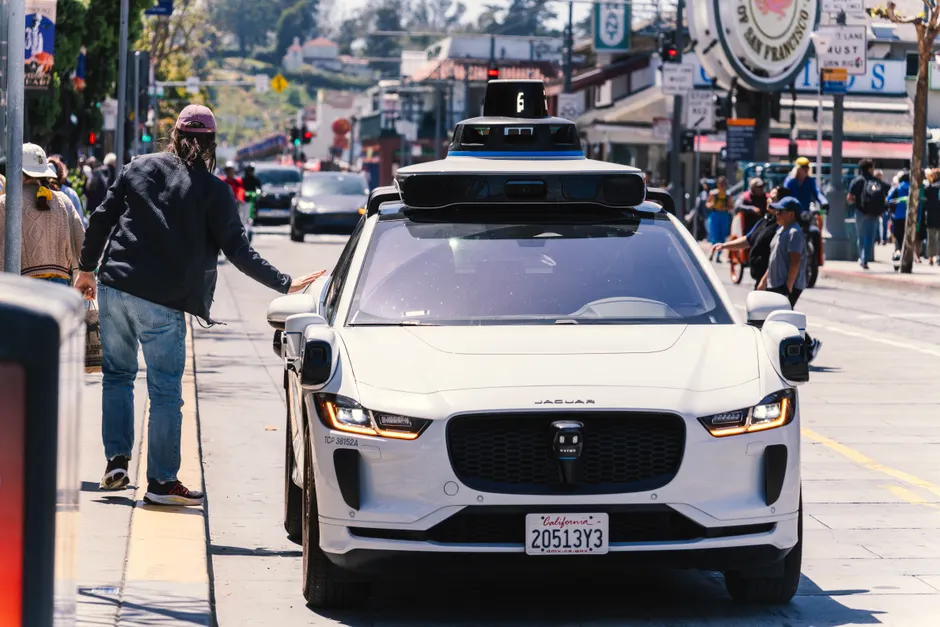
These new Uber vehicles aren't meant to pick up passengers yet. They're rolling out with special cameras and sensors to record how real people drive in real traffic. That information becomes training material for self-driving car companies, who can use it to understand driving patterns and test their technology.
How the Data Collection Works
AV Labs operates across five main areas: collecting data, machine learning (teaching computers to learn from that data), simulation (testing scenarios in software), validation (checking that systems work), and building the infrastructure to handle it all.
Every Uber ride generates useful information—how drivers respond to traffic lights, where accidents happen, how people drive in rain or snow. Traditionally, self-driving car companies have struggled to gather enough of this real-world data. Uber has billions of rides already happening every day, so it can capture these driving patterns at a scale that would take most companies years to achieve on their own.
The infrastructure part is important. Processing billions of pieces of data takes serious computing power. By building systems to handle this, Uber solves a problem that slows down other self-driving companies: they simply don't have the tools to manage that much information.
Building a Team and Finding Partners
Uber is hiring specialists—engineers, data scientists, researchers—to turn all these rides into useful training material for self-driving companies. This is different from what Uber tried before. A few years ago, Uber had its own autonomous vehicle research team, but it sold that off in 2020. Now, instead of competing to build self-driving cars itself, Uber is offering a service: access to data and testing tools that other companies need.
This approach makes financial sense. Building a self-driving car from scratch costs billions of dollars and involves manufacturing vehicles, developing sensors, navigating complex regulations, and dealing with liability lawsuits. Uber already has the rides, the infrastructure, and millions of miles of driving patterns. It's taking advantage of something it already has rather than starting from zero.
Testing Cars in the Real World
The simulation and validation work means Uber can take real driving data and create test scenarios in software. If something unusual happened on a real ride—say, a car swerving around a pothole in bad weather—that becomes a test case that self-driving systems can practice against. Self-driving companies can validate their technology against hundreds of thousands of these real-world situations without actually driving billions of miles themselves.
The broader context here is that self-driving technology faces genuine regional differences. How drivers behave in dense urban areas differs from suburban highways, which differ from rural roads. Winter driving is different from summer driving. By providing data from different cities and climates, Uber offers self-driving companies the ability to understand these variations before they deploy cars in a new market.
An Old Strategy, New Application
There's a pattern here that technology companies have followed before. Amazon started AWS—its cloud computing division—because it had built powerful computing systems for its own retail business. Google developed sophisticated advertising tools because it studied search queries. Meta became good at targeted advertising by analyzing social media behavior. In each case, a company discovered that its internal operations generated valuable data, and it found buyers for that data or the services built on top of it.
Uber is following that same playbook: identify data that your existing business creates, build tools to package and process it, then sell it to other companies that need it. The self-driving car industry is the perfect customer, because every company working on autonomous vehicles struggles to acquire enough diverse, real-world driving data.
The difference here is that Uber isn't just using data from regular passenger rides. It's also deploying dedicated vehicles with cameras and sensors to actively collect information. This combination—passive data from millions of rides plus active data collection—creates a richer dataset than either approach alone could provide.
What This Means for Uber and the Road Ahead
By focusing on data rather than building self-driving cars, Uber avoids some serious challenges. Developing autonomous vehicles requires dealing with government regulators, handling lawsuits when things go wrong, and competing against well-funded companies that have already spent billions on this technology. Uber doesn't need to do all that. Instead, it makes money by supplying the raw materials—data—that these companies need.
There's also a smart business angle worth considering here. If self-driving cars eventually become common and reduce the need for human drivers, Uber's core ride-hailing business could be threatened. But if Uber becomes essential to every major self-driving company's development process, the company benefits no matter who ends up controlling that future. It's a hedge against disruption by becoming indispensable to the companies that might otherwise disrupt it.
The real effect of this approach is larger than just Uber's finances. When real-world ride data accelerates self-driving development, the entire timeline for autonomous vehicle deployment moves faster. Uber sits at the center of that process, directly influencing when and how self-driving technology reaches the roads and transforms transportation. By avoiding the capital-intensive work of building cars and focusing instead on supplying critical data, Uber may have found a more sustainable role in the self-driving future than other companies that are betting everything on their own vehicle programs.