Waymo and Uber's Self-Driving Car Deal Has Ended. Here's What Happened.
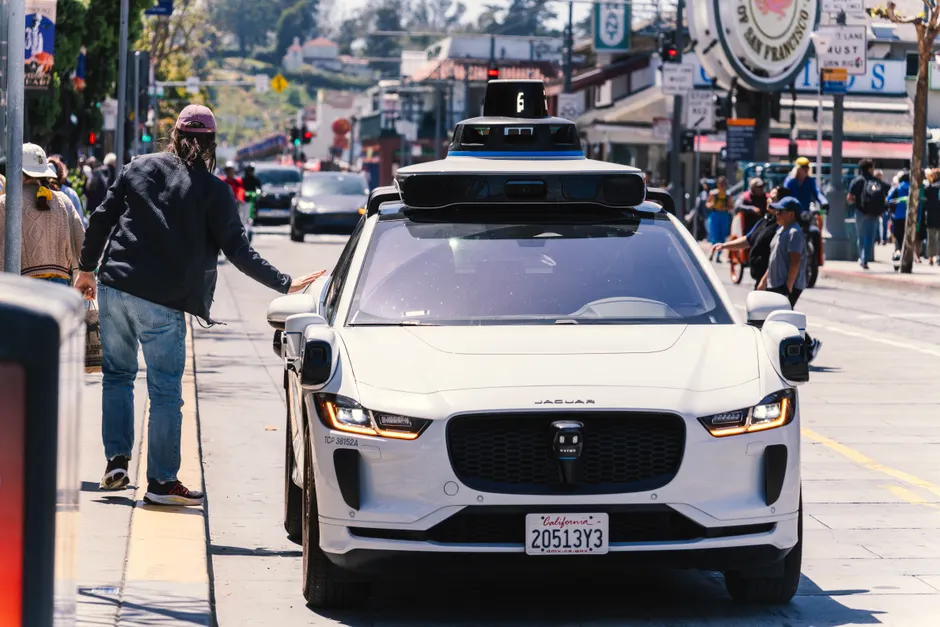
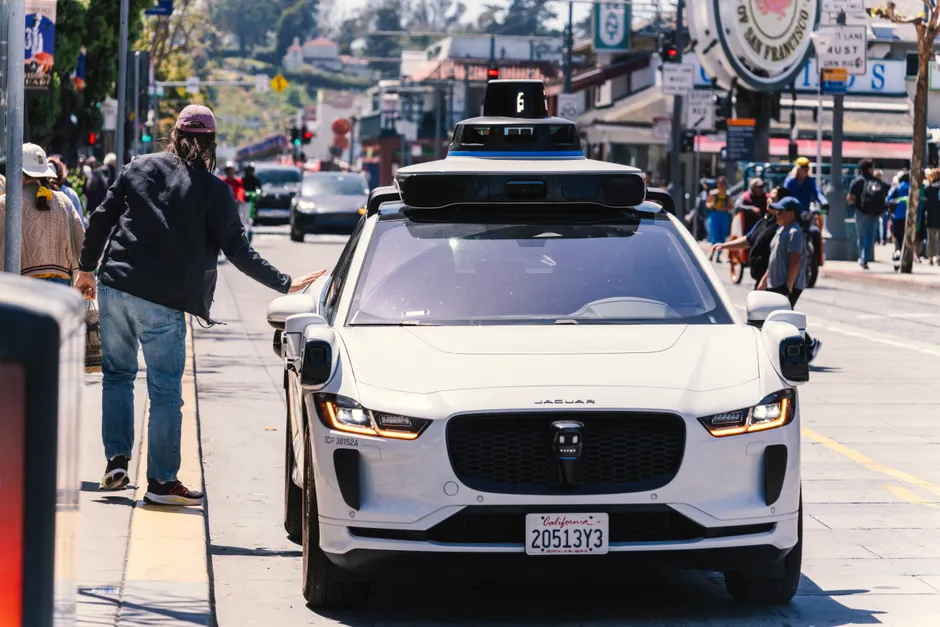
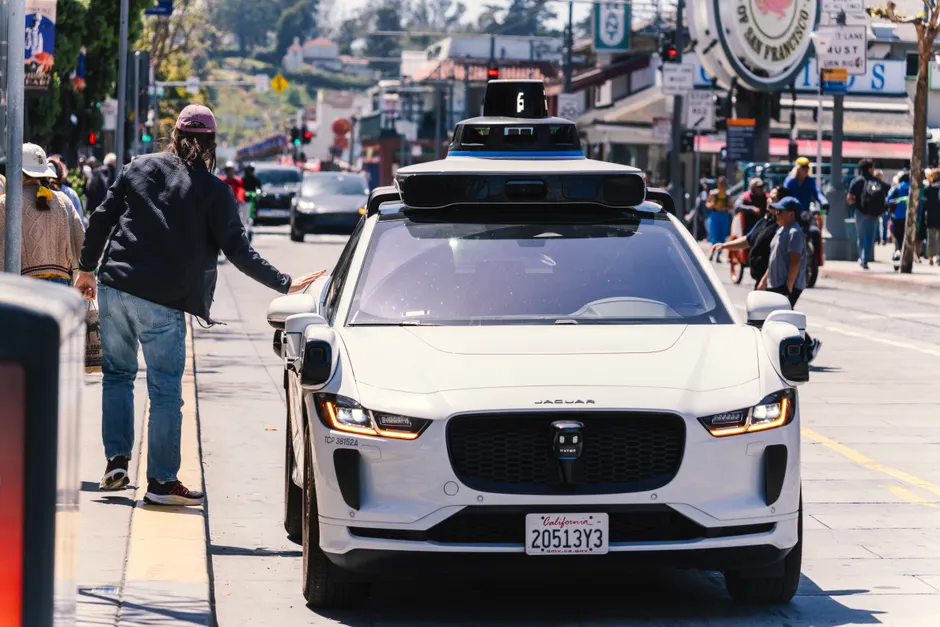
Waymo and Uber have stopped working together in Phoenix. The two companies had been running self-driving cars together since May 2023 — roughly three years — but they have now ended the partnership, according to a June 2026 report.
When the deal started, it looked promising. Waymo is a company that builds self-driving technology. Uber is an app that connects riders with cars. The partnership meant that when you opened the Uber app in Phoenix, some of the rides offered to you would be in Waymo's autonomous vehicles. By late 2023, this was actually happening. Then in 2024, the companies expanded the deal to include Uber Eats deliveries using self-driving cars. In September 2024, they announced plans to bring this service to Austin and Atlanta as well. Everything seemed to be growing.
Then, suddenly, it ended.
How the Partnership Was Structured
Under this arrangement, the two companies had different jobs. Waymo built and operated the self-driving cars. Uber ran the app, handled payments, and managed customer relations. It was a split that made sense on paper: Waymo got access to Uber's millions of users without spending billions on its own marketing. Uber got to offer self-driving cars without spending a decade developing the technology themselves — they had tried that path before but sold off their self-driving division in 2020.
But in practice, when two separate companies try to run self-driving cars on the same platform, coordination gets messy. If Waymo's cars are not available in a certain area, the Uber app needs to know that instantly. If there is a surge in demand, Waymo and Uber need to agree on pricing. If something goes wrong with a vehicle, both companies need clear procedures in place. All of this integration is harder when the systems were not built to work together.
Why the Partnership Ended
At the same time the Waymo-Uber partnership was growing, Waymo was also building its own service called Waymo One. This is where Waymo controls everything: the app, the cars, the pricing, the customer experience. Waymo One is now operating in San Francisco, Los Angeles, and Phoenix — all growing on its own.
Because Waymo One is succeeding independently, Waymo no longer needs Uber as much as it did three years ago. Working with Uber meant sharing revenue and dealing with coordination challenges. Operating on its own gives Waymo more control and potentially higher profits.
It is also worth noting the timeline: Waymo and Uber said they would expand to Austin and Atlanta just nine months before ending the Phoenix partnership. That is a quick change of plans.
Uber still has self-driving cars through other partnerships — it works with other autonomous vehicle companies as well. But losing Waymo in Phoenix is still a setback for Uber's push into self-driving technology.
What Comes Next
The three-year partnership did produce useful knowledge. Waymo and Uber gathered real data about how self-driving cars actually perform in a city, how passengers feel about riding in them, and how autonomous delivery works in practice. Both companies learned something.
But the partnership's end raises a bigger question that the industry has not yet answered: How should self-driving cars actually be deployed? Should one company own everything — the technology, the app, the cars, the customer relationship — like Waymo One does? Or should self-driving technology be offered through a shared platform, like how Uber offers rides from many different car companies?
For now, Phoenix showed what the second model looked like in practice. Its closure suggests that model may be harder than it first appeared. The underlying technology — the cars, the sensors, the maps — is not going away. But how companies actually put that technology to work remains unclear.