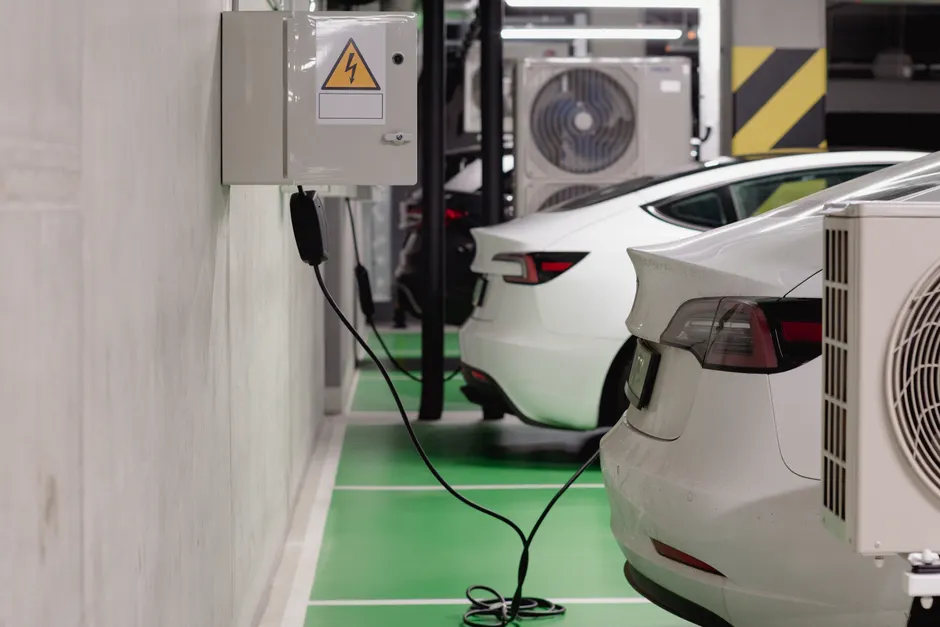
Florida Wants to Spend EV Charging Money on Flying Taxis Instead
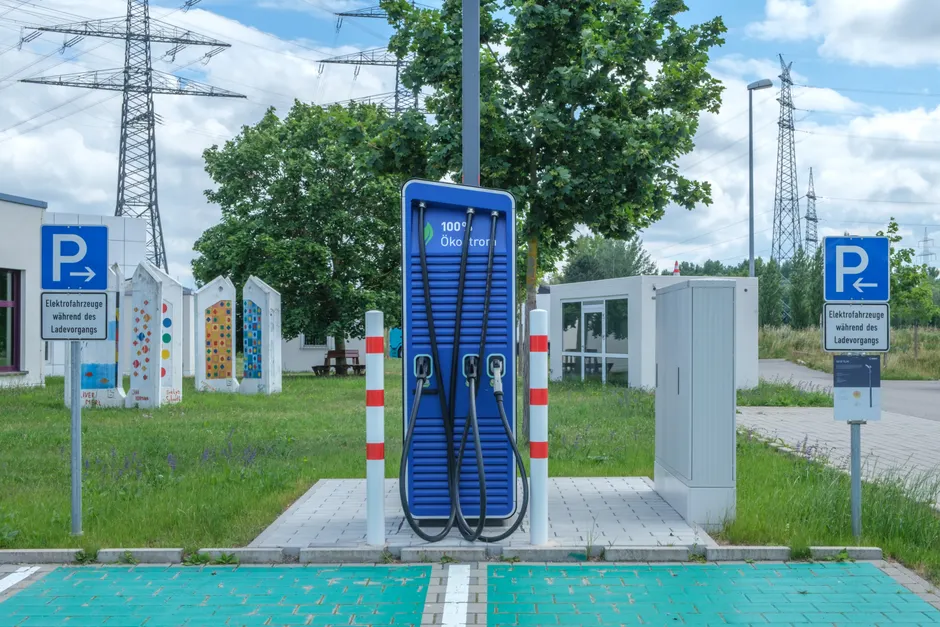
Florida plans to use nearly $200 million in federal money meant for electric car chargers to instead build landing pads and charging stations for electric flying taxis, according to TechCrunch. The Miami Herald first reported the plan.
The money came from a federal program called NEVI, created to build fast-charging stations for electric cars along highways. Florida never spent its share. The state's transportation department says private companies have already built enough EV chargers across Florida, so public money isn't needed.
The proposal calls for 32 landing sites, called vertiports, designed for electric aircraft that take off and land vertically. Planned locations include golf courses, luxury apartment buildings, and airports. One proposal specifically targets a site at Orlando International Airport.
The plan relies on new rules issued by the Trump administration in August 2025. Those rules say that if a state's EV charging network along highways is "fully built out," the state can redirect its federal charging funds to other publicly accessible charging projects. Florida claims its charging corridors meet that standard.
Governor Ron DeSantis has been pushing the vertiport idea throughout 2025. In June, he signed an agreement giving the transportation department authority to invest in vertiport construction. By October, he announced that the first of two test vertiports was under construction at SunTrax, a transportation technology testing facility.
Here is the catch: the flying taxis these landing pads are being built for do not yet carry paying passengers anywhere in the United States. Companies have built prototype aircraft and attracted significant investment, but no air taxi service has received the regulatory approval needed to fly paying customers. The landing pads would be ready before the aircraft they are meant to serve.
This is a calculated gamble. If flying taxis take off on the schedule that companies like Joby Aviation and Archer Aviation predict, Florida would be ahead of the curve with infrastructure already in place. The state's geography and tourism economy are a natural fit for short flights between popular destinations. The proposed locations — golf courses, airports, upscale housing — are exactly where early customers for premium air taxi rides would be.
The risk is that Congress originally gave Florida this money to solve a specific problem: the lack of reliable fast-charging stations for electric cars along highways. Florida's claim that private companies have already solved that problem is open to debate. Charging station coverage remains uneven outside major cities and along interstate highways, both nationally and in Florida. Redirecting the money means whatever gaps remain in Florida's EV charging network won't be fixed with federal funds.
There is also a broader concern. If Florida can declare its charging network complete and redirect the money to a different type of transportation, other states might try the same thing. No other state has publicly proposed using NEVI funds for flying taxi infrastructure so far.
The plan still needs federal approval. The Federal Highway Administration, which runs the NEVI program, must agree that Florida's charging network is truly built out and that using the money for flying taxi chargers is allowed. Neither approval is guaranteed.
Florida is testing a new interpretation of federal infrastructure policy. The outcome will matter not just for the 32 proposed landing sites, but for whether federal EV charging money stays tied to electric cars or becomes available for other kinds of electric transportation.