Google Is Shutting Down Fitbit's App and Moving Everything to a New Health Platform
Google Is Shutting Down Fitbit's App and Moving Everything to a New Health Platform
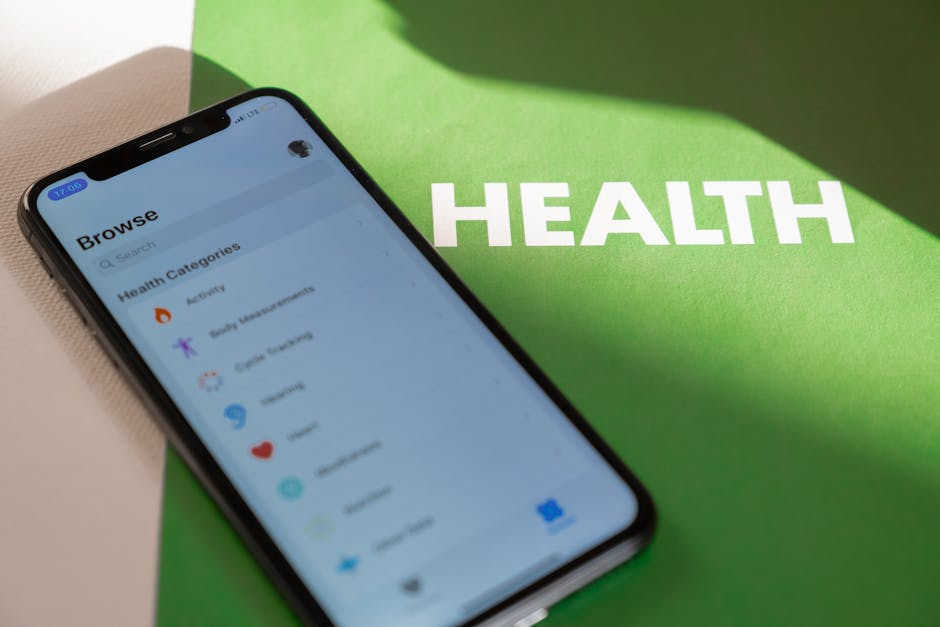
Google has shut down the Fitbit app and moved all its services to a new app called Google Health. The change happened on May 19, 2026. If you own a Fitbit device and were using the old Fitbit app, you now need to use Google Health instead. You'll need to link it to a Google account to keep using the service.
What the New App Looks Like
The new Google Health app is organized into four main sections: Today, Fitness, Sleep, and Health. These tabs replace what the old Fitbit app used to show you.
The big new feature is something called Google Health Coach. It's an AI system — think of it as a smart assistant that learns from your patterns and habits — built using Google's Gemini technology. If you pay for Google Health Premium, this AI coach will suggest workouts and give you personalized health tips.
Instead of just showing you pre-made workout plans, the coach talks with you like a person would. You can tell it what you want to achieve, and it adapts suggestions based on your actual behavior and fitness data.
A New Fitbit Device Designed for Constant Wear
Google also announced a new piece of hardware called the Fitbit Air. Unlike most smartwatches and fitness trackers, it has no screen. It's a simple band that you wear all day and all night, and it adjusts to fit your wrist properly.
The main purpose of this device is to send your health data to Google Health Coach, which then uses that information to give you better suggestions. Google is selling it through its online store, with a discount offer after you buy it. This suggests Google cares more about getting you to pay for the subscription service than about selling the device itself.
Why You Need a Google Account
If you had a Fitbit account, you now have to switch to using a Google account instead. This is the final step in Google bringing Fitbit into its broader set of products — Google bought Fitbit back in 2021.
The good news: if you were paying for Fitbit Premium, that subscription automatically became Google Health Premium. Your service continues, but now you also get access to Google's AI coach.
The Bigger Picture: Google's Health Ambitions
Google is trying to turn Google Health into something bigger than just a Fitbit replacement. The company wants it to work for anyone interested in health tracking, whether or not they own a Fitbit device. This puts it in direct competition with Apple Health on iPhones and Samsung Health on Samsung phones.
We've seen Google follow this pattern before. Years ago, Google Photos started as a way to back up your photos on Google devices, but then it became a standalone service anyone could use. Now Google is trying the same move with health — start with Fitbit, build it into Google's ecosystem, then expand it to everyone.
The AI coach is Google's main advantage here. Apple Health and Samsung Health mainly use math-based recommendations that don't really talk to you. Google's approach of having an AI that actually converses with you about your fitness is new for this kind of app.
Worth considering: Google is very good at aggregating personal data — that's how the company built its entire business. Putting your health information into Google Health means adding another layer of personal data to Google's existing information about you. What Google does with all that combined data, and how well it protects it, are questions worth paying attention to as this service grows.
How This All Works Behind the Scenes
The four tabs in Google Health suggest Google has redesigned how the app stores and organizes your health information. Instead of just tracking one device, the app can now pull data from multiple sources and show you the big picture on the Today tab.
The AI coach requires a lot of computing power to work. When you talk to it, your information travels to Google's data centers in the cloud, where the AI analyzes your health patterns and creates responses. Google hasn't publicly explained exactly how this works, but this cloud-based approach is how most AI systems operate today.
What Comes Next
Google Health puts the company in competition with many different types of health apps. Apple has a big advantage on iPhones. Apps like Strava for running and MyFitnessPal for food tracking have loyal users who specialize in those areas.
Google's bet is that an AI coach that actually understands you personally will be worth switching for. Whether that happens will depend on whether the AI actually gives people useful advice and whether people are willing to move their health data to Google.
The Fitbit Air — a device with no screen that just quietly tracks you all day — signals another shift in how Google thinks about health. Rather than trying to grab your attention with notifications and alerts like a smartwatch, this device is designed to fade into the background and collect data constantly. This fits with how Google generally runs its business: collecting information that helps it understand you better.
Looking forward, this is Google's latest attempt to become the main platform where people manage their personal information, just like it dominates email and web searching. Health is a much bigger opportunity than many other areas, but it's also much more complicated — governments care deeply about health data, and there are strict rules about medical devices. Whether Google can navigate those challenges and win over users is still an open question.


