Google's Big Fitbit Move: What Changes for Your Health Tracker

Google's Big Fitbit Move: What Changes for Your Health Tracker
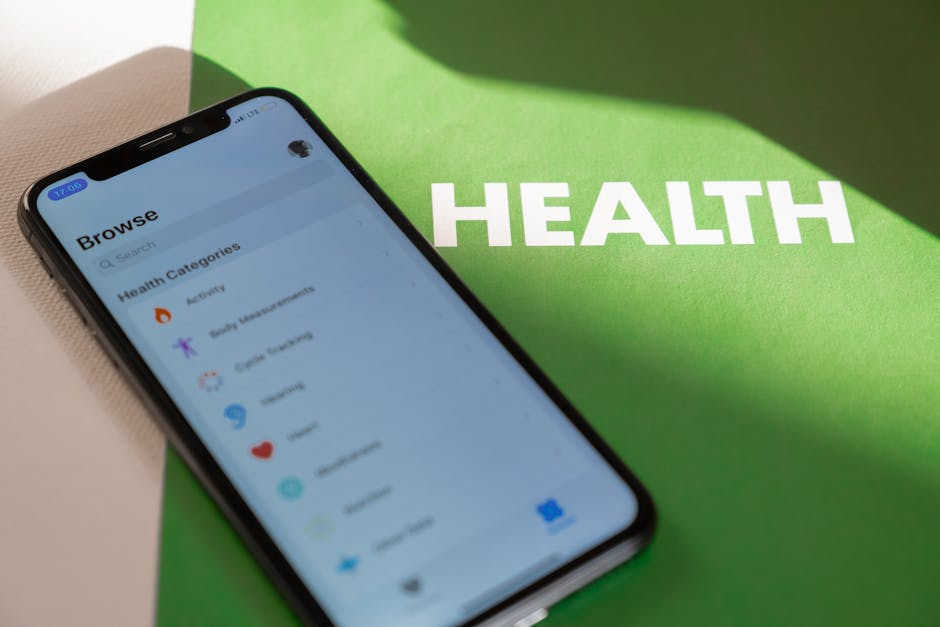
Google has finished a major overhaul that started when it bought Fitbit for $2.1 billion in 2021. The company has now launched something called the Google Health API, which is basically a new technical foundation for how fitness trackers and health apps talk to each other on Google's system. At the same time, Google has renamed the Fitbit app to the Google Health app, added AI-powered coaching tools you can pay extra for, and released a new device called the Fitbit Air.
If you own a Fitbit, here is what matters: you will need to switch your account to a Google Account by May 19th if you want to keep using the app and your device.
Why Google Rebuilt the Whole System
When Google bought Fitbit, it inherited all of Fitbit's old technical infrastructure. Think of it like buying a well-run restaurant but discovering it has an aging kitchen from the 1990s. You could keep the old kitchen, but it is better to rebuild it on modern equipment that works faster and more reliably.
Google's support documentation says the new Google Health API has been completely rebuilt using Google's technology. App developers who build fitness and health software will now tap into this new system instead of the old Fitbit one. Google is telling developers not to build new integrations until late May 2026 — suggesting the new system is still being tested and refined.
This is not unusual for Google. The company has done this before. When it bought Android in 2005, it gradually moved Android's technology into Google's broader system over time, all while keeping the Android name separate.
The Account Switch Coming May 19th
If you use Fitbit today, your account runs on Fitbit's old system. Starting May 19th, you will need to migrate that account to a Google Account to keep your access to the Google Health app and your fitness data. Google's product documentation specifies that this applies to anyone still using a legacy Fitbit account rather than a Google account.
After the switch, your health data lives in one unified place that also includes data from your Pixel Watch (if you have one), third-party fitness apps you use, and in some countries, your medical records from your doctor.
New AI Coaching Tool (Costs Extra)
Google has added an AI coaching feature called Google Health Coach, powered by a technology called Gemini. If you subscribe for about €9 per month, you get a digital coach that learns your habits and creates fitness plans tailored to you.
The coach can help with weight loss, building muscle, improving your heart health, or building better habits. It can create week-by-week workout plans, adjust your sleep goals based on how you are actually sleeping, and let you ask it questions about your progress.
Google is adding Gemini AI features across many of its products right now — search, email, and work tools. Adding it to fitness tracking fits that pattern.
A New, Simple Fitness Device
Google also released the Fitbit Air, a wearable device that costs $100 and does not have a screen. It is designed purely to track your health data and send it to the app on your phone or the coaching service. It is competing with services like Whoop, which focuses only on fitness tracking rather than trying to be a full smartwatch.
Google now sells fitness products at different price points. The Pixel Watch is a full smartwatch. Regular Fitbit devices are mainstream fitness trackers. The Fitbit Air is a stripped-down tracker for people who only want health monitoring. This lets Google compete in different parts of the market.
What This Means Going Forward
The shift to one unified system means Google can build more sophisticated health features in the future. Imagine your calendar, your location history, and your fitness data all feeding into a coaching system that understands your life better. That kind of integration is now technically possible.
For people building health apps and services, this unified system is simpler to build on. For healthcare providers who want to integrate with Google's system, it is cleaner. But it also means Google is now the single hub for your health data across all these different services.
One observation worth making: this kind of consolidation — taking a company you bought and fully integrating it into your system — is how tech companies handle growth. It is efficient, it works, and we have seen it many times before. It also puts all your eggs in one basket. If you value keeping your health data spread across different companies as a form of insurance, this is worth thinking about.