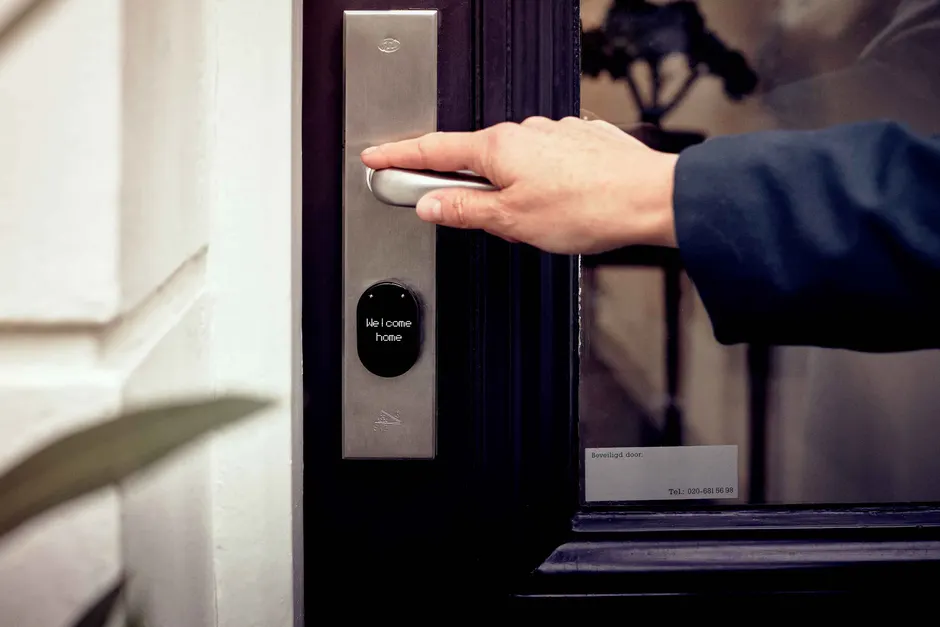
A $9 Key That Locks Your Phone Apps Until You Physically Tap It
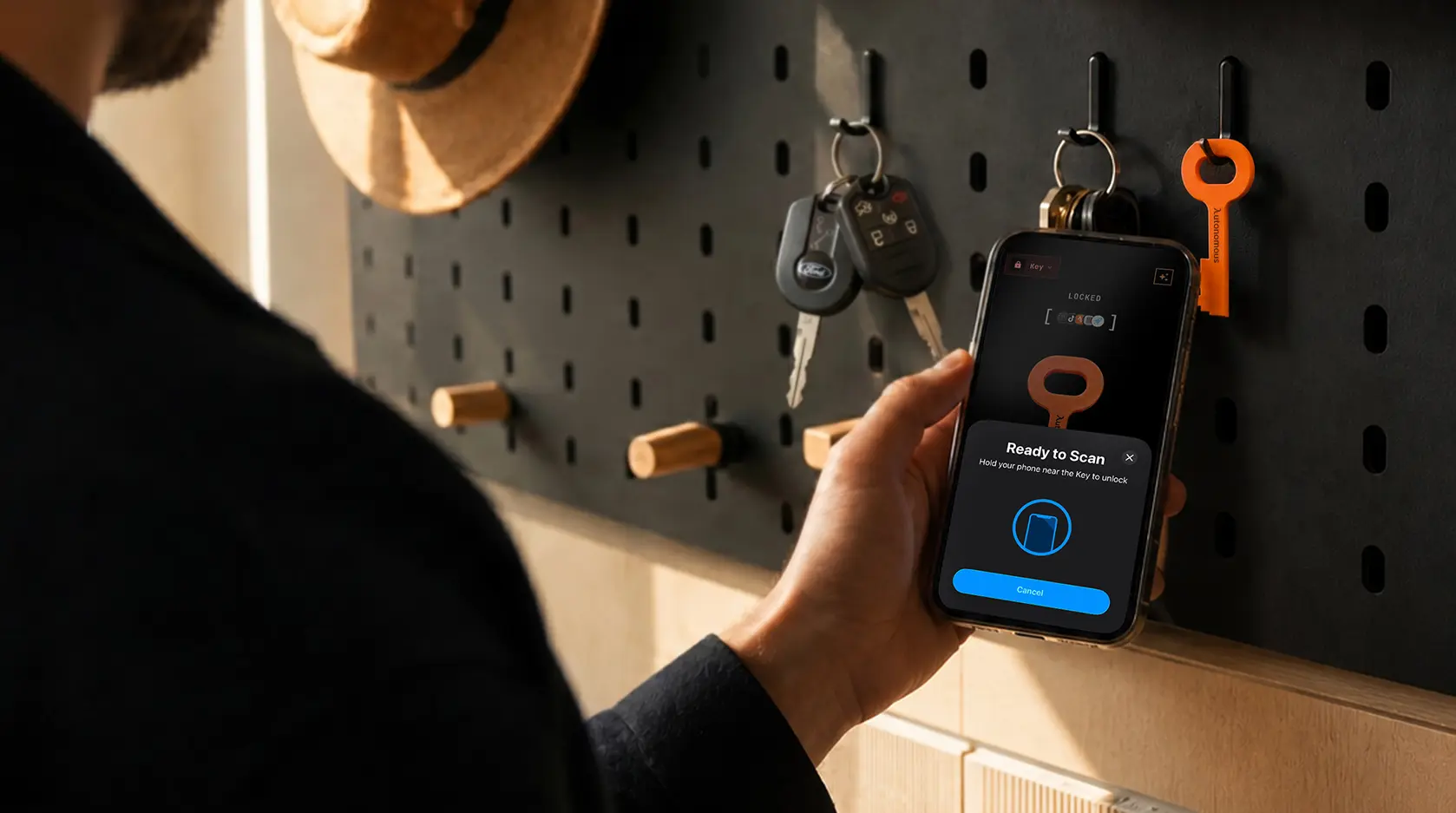
Autonomous, a company best known for office furniture and smart workspace products, has started shipping a $9 physical key that locks away apps you choose to restrict on your phone. The device, called the Autonomous Key, pairs with a companion app and began reaching Kickstarter backers in July 2026. It is currently in beta.
The key is a small chip — about three inches long — that talks to your phone when you tap it against the back of the device. Think of it like a digital lockbox: your chosen apps stay locked until you physically tap the key to unlock them. It comes in pink, orange, blue, gray, and brown. Each unlock session lasts up to 60 minutes, after which the apps lock again on their own. No subscription is required, and one key can work with multiple phones.
It works on Android 8.0 and later and iOS 15 and later, which covers the large majority of phones in use today. The companion app also tracks your habits using AI — it notes how often you unlock your restricted apps, how long you use them, and what times of day you're most likely to reach for them. TechCrunch
At $9, the Autonomous Key is far cheaper than other devices that do something similar. Competitors include Blok at $29, Unpluq at $26.50, and Brick at $59. None of those match the Autonomous Key's price, and Autonomous has also chosen not to charge a recurring subscription — something some digital wellness tools rely on for revenue. TechCrunch
There is one notable catch in the current beta version. If you lose the key while your apps are locked, the only way to get them back is to uninstall and reinstall the companion app. The company says it is working on a backup unlock method for a future update, but for now, a lost key means a frustrating recovery process. For a device meant to make putting your phone down easier, the difficulty of recovering from a lost key is worth noting — though it is a known limitation of a beta product rather than a permanent design flaw.
The broader context here is a small but growing category of gadgets built on a simple idea: willpower is hard, and a physical object can enforce a boundary that a phone setting alone cannot. Behavioral researchers call this a "commitment device" — something that makes it harder to go back on a decision you made earlier. A phone setting you can switch off in two taps is a weak commitment device. A key you left in another room is a stronger one.
Whether a tap-based key is the right tool for that job is a separate question. The approach has clear strengths: the keys are cheap, need no battery, and work on both major phone platforms. The weaknesses are equally clear: keys can be lost, the 60-minute session limit is less flexible than built-in tools like Apple's Screen Time or Android's Digital Wellbeing, and the reinstall-to-recover problem is something software-only solutions don't have.
The AI tracking feature is what most likely sets the Autonomous Key apart from a basic chip you could program yourself. By logging how often you unlock apps, how long you use them, and when you tend to reach for them, the app gives you a picture of your habits that the built-in phone tools don't present the same way. Whether those insights are useful enough to justify buying extra hardware, or whether they mostly add a layer of data to what is essentially a tap-to-unlock process, will depend on details the beta may still be working out.
The $9 price is what could bring this category to a much wider audience. At $30 to $60, competing devices appeal mainly to people motivated enough to spend that much on a willpower aid. At $9, the decision feels closer to an impulse purchase, and the lack of a subscription removes the concern about adding yet another monthly payment to manage phone habits.
The product is shipping now in beta, with the backup unlock method being the company's most pressing known gap. Five color options, multi-phone support, and broad device compatibility round out a feature set that is, at this price, hard to argue with on paper. The open questions are practical: how reliable the tap-to-unlock proves over time, how soon the backup method arrives, and whether the AI insights offer enough value beyond what phones already provide for free.