A Moroccan Rapper Was Released From Prison — Here's What's Going On
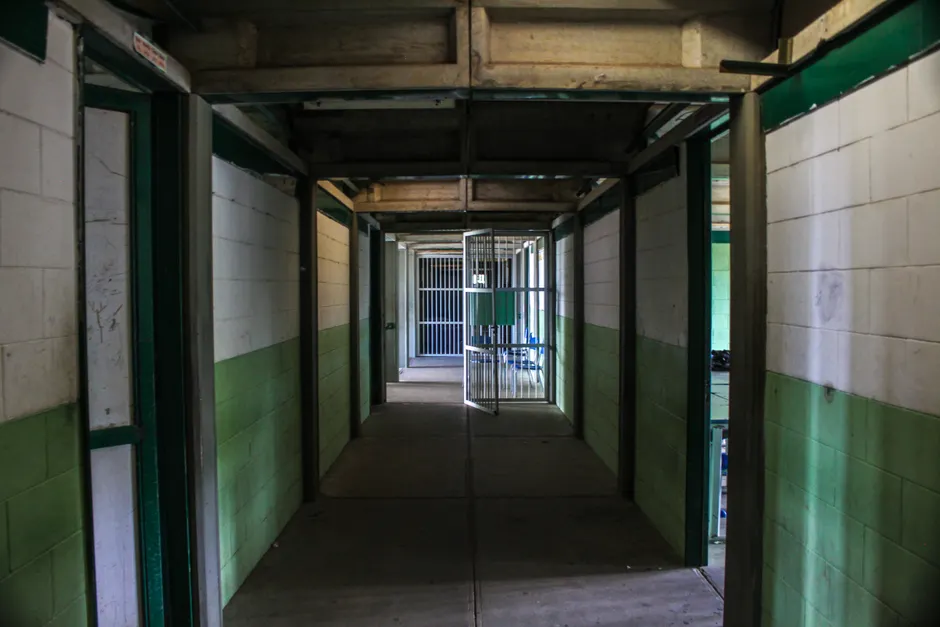
Moroccan rapper and filmmaker Mehdi El Youbi was let out of prison in Casablanca on 1 August 2026, after spending 18 days in detention. A judge approved his release the same day, according to a statement from his supporters shared with Al Jazeera. His next court hearing is set for 2 October 2026.
El Youbi, whose stage name is Mehdi Black Wind, is being charged under a law called Article 179 of the Moroccan Penal Code for "insulting a constitutional institution." That means he is accused of showing disrespect to an official body like the government, the courts, or the monarchy. If convicted, he could face six months to two years in prison and a fine between 20,000 and 200,000 Moroccan dirhams ($2,150 to $21,500). His supporters think the arrest was connected to his art and social media posts.
The events that led to his detention started on 13 July 2026, when he was arrested in Casablanca on a Monday night after being questioned by Morocco's National Brigade, according to ABC News Australia and Al Jazeera. He had been held at Oukacha Prison since 15 July 2026. The arrest came just days after he was stopped from returning to France, where he had been living since 2017.
El Youbi appeared before the judge on 1 August without a lawyer, because lawyers in Morocco were on strike at the time. The hearing went ahead anyway, and the judge granted his request for provisional release. Provisional release means he can go home while waiting for his trial, instead of staying in prison.
The International Federation for Human Rights (FIDH), a rights group based in Paris, described El Youbi's detention as arbitrary — meaning they believe he was held without proper legal justification. The FIDH called his prosecution "judicial harassment" of a filmmaker, in a statement published on 29 July 2026 (FIDH). The group placed El Youbi's case within a wider pattern of legal action against Moroccan artists and government critics whose work deals with politically sensitive topics.
El Youbi became well known in Morocco and across North Africa in the early 2010s as a rapper and filmmaker. His work has drawn audiences across the region. By basing himself in France since 2017, he was outside the direct reach of Moroccan authorities — until he returned to the country this summer.
The broader context here matters. El Youbi's case does not exist on its own. According to his supporters, 600 people have been held in detention since Autumn 2025, with some receiving sentences as long as 15 years in prison. The Moroccan Association for Human Rights reported in October 2025 that 600 people had been detained for taking part in protests. Those numbers, cited by El Youbi's supporters, indicate that Morocco's courts have been handling a large number of protest-related cases over the past year.
Article 179 of the Moroccan Penal Code, which makes it a crime to "insult a constitutional institution," has been repeatedly criticized by rights groups both inside and outside Morocco. The law covers insults aimed at the monarchy, the courts, and other official bodies. It has been used against journalists, activists, and artists whose public statements or creative work is seen as crossing a legal line. Critics say the law is so broad that it lets authorities pick and choose who to prosecute for speaking out. Moroccan officials say the law applies to everyone equally, no matter their job or public profile.
El Youbi's provisional release does not mean his case is over. He is allowed to stay free until his 2 October hearing, where the case will continue under Article 179. That hearing will decide whether he faces prison time and fines, or is cleared of the charges.
The combination of the lawyers' strike, the FIDH's involvement, and the large number of protest-related detentions paints a complex picture. El Youbi's case stands out because he is a public figure, but it sits alongside hundreds of other cases that have gone through Morocco's court system since late 2025. Whether his release points to a wider change in how Moroccan authorities handle protest-related cases, or is simply a routine decision to let someone await trial from home, should become clearer at the October hearing and in the cases that follow.