Extreme Heat Puts Almost All of Italy's Big Cities on Red Alert
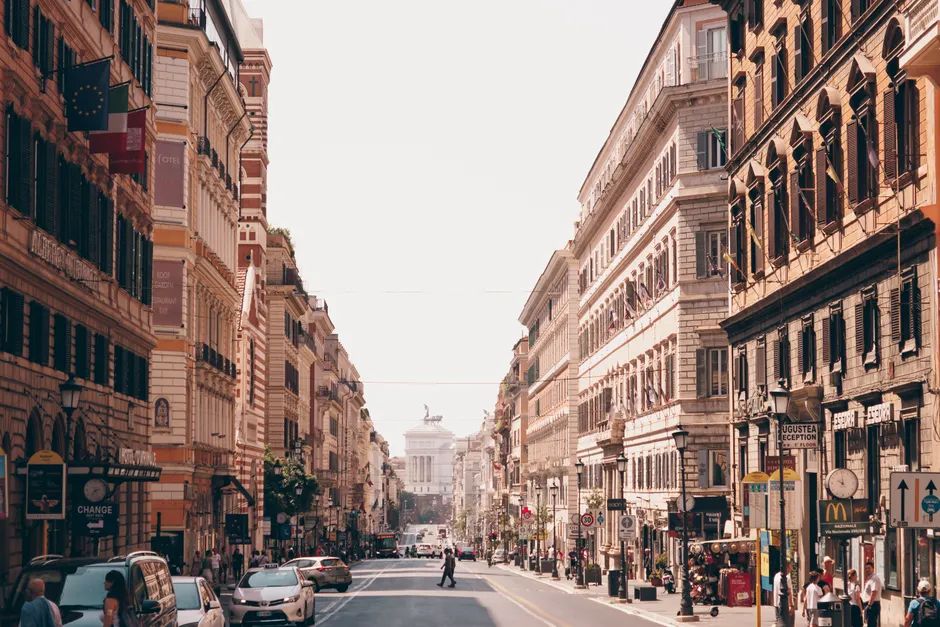
Italy's health ministry placed 25 of the country's 27 major cities on its highest red heat alert by Monday, August 4, 2026. A huge weather system called an anticyclone — think of it as a giant lid of high pressure that traps hot air underneath it — moved in from North Africa and settled over the Mediterranean. Only Reggio Calabria and Messina were forecast to stay on the second-highest amber alert, according to the ministry's heatwave bulletin published Saturday, August 1 (BBC News).
This heatwave has been building all summer. On August 1, 19 cities were already at the red alert level — known in Italian as bollino rosso, or "red sticker" — with temperatures forecast to reach up to 44°C (Il Messaggero; RAI News). The ministry's Sunday forecast projected 23 of 27 monitored cities at red alert, rising to 25 by Monday (Il Fatto Quotidiano; BBC News). The health ministry urged people in affected areas to avoid heat and direct sunlight between 11:00 and 18:00, stay indoors, and drink plenty of fluids (BBC News).
This did not come out of nowhere. As early as June 24, Reuters reported red alerts for extreme heat in 15 Italian cities, including Rome and Milan. Two days later, on June 26, the agency reported temperatures expected to reach 40°C — the summer's first readings at that level (Reuters). The health ministry has been publishing daily heatwave bulletins since May 25, 2026, covering 27 cities with forecasts looking 24, 48, and 72 hours ahead (Ministero della Salute). Bulletins are updated Monday through Friday from 11:00 and are also available through the Caldo e Salute (Heat and Health) app (Ministero della Salute).
The broader context here is that Europe is the fastest-warming continent on Earth, heating up at twice the global average rate, according to the Copernicus Climate Change Service (BBC News). That warming trend feeds directly into the conditions now straining emergency systems across Southern Europe. The same weather system cooking Italy's cities has also dried out vegetation across the Mediterranean, making it easier for wildfires to spark and spread.
Firefighters in Greece, France, Portugal, and Spain were all battling wildfires at the same time, with fires spanning thousands of hectares (BBC News). In France's south-eastern Var region, about 2,500 people were evacuated on Friday evening after a fire that had been under control for several days started up again. In the south-western Gironde region, a massive fire was under control and about 200,000 people who had been evacuated were able to return home. In Greece, hundreds of people — mostly tourists — were evacuated by boat from the coastal town of Viotia, trapped by one of many wildfires burning across the country.
The amount of land already burned this year is striking. In Spain, more than 200,000 hectares had burned in 2026 as of the reporting date — roughly five times above what would be normal for that point in the year, according to EU data. Burned land in Portugal was also higher than usual (BBC News).
The Italian health ministry's alert system for summer 2026 uses three levels: level 0 means no risk, level 1 means weather conditions that need attention, and the red bollino rosso means maximum alert (Ministero della Salute). A ministry notice had previously forecast above-average temperatures for the week of August 9–15, with heat easing gradually after ferragosto — Italy's major summer holiday on August 15 (Ministero della Salute).
Having extreme heat, mass evacuations, and wildfires hitting four EU countries at the same time puts real pressure on emergency response systems that often cooperate across borders. With Italian cities going from 19 to 25 on red alert over a single weekend, and with Spain's burned land already at five times the normal level by August, this summer's chain of climate-driven disasters is testing how much national emergency systems across Southern Europe can handle. The health ministry's advice to avoid outdoor exposure between 11:00 and 18:00 effectively pauses daytime activity in major cities, with knock-on effects for work, tourism, and health systems that are already stretched during the summer season.


