Europe's Record Heat Wave: What Happened and Why It Matters

Europe's Record Heat Wave: What Happened and Why It Matters
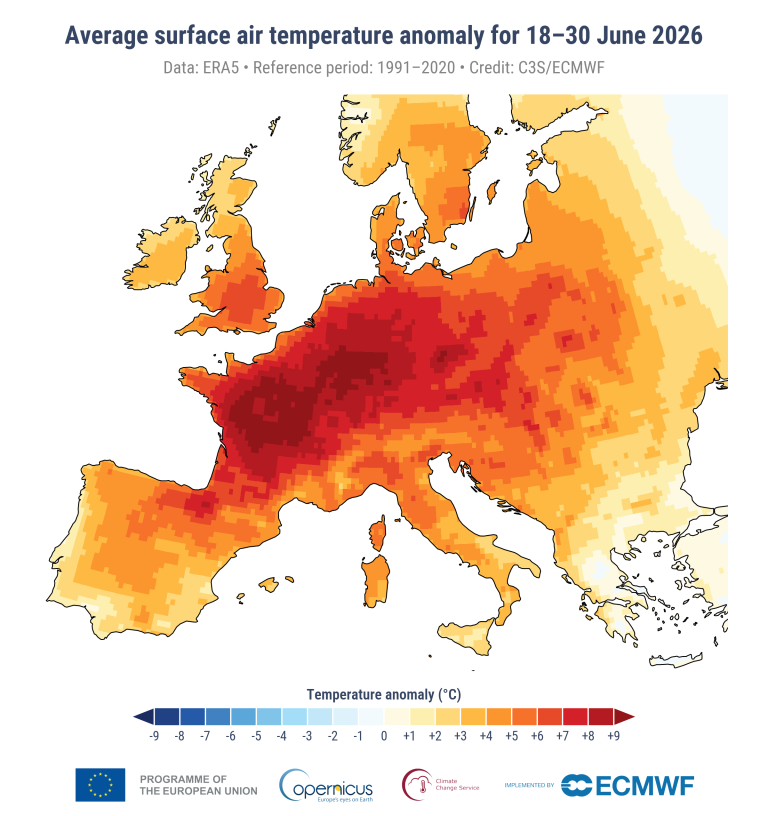
Parts of Europe sweltered through one of their hottest summers on record in 2024, with temperatures climbing above 104°F (40°C) across France, Spain, and Italy. The heat was severe enough that governments issued red-alert warnings — the highest level of emergency alert — in multiple regions at the same time.
What the Heat Looked Like
In France, roughly half the entire country was placed on red alert as temperatures soared. Some regions hit 104°F. Spain and Italy saw the same temperature peaks, triggering red alerts in major cities, according to AFP. The heat was real enough that French authorities took an unusual step: they banned outdoor drinking in the hardest-hit areas. The logic was straightforward — drinking alcohol causes dehydration, which becomes dangerous when it's that hot.
Why These Alerts Matter
Red-alert classifications aren't just warnings. They're official triggers that force hospitals, outdoor workplaces, and emergency services to shift into crisis mode. When three major European economies activate them at the same time, it strains the entire system — hospitals, worker protections, cross-border health coordination — all at once. This isn't theoretical: it affects how many people can work outdoors, what hospitals must prepare for, and who gets help first.
The Bigger Pattern
The summer of 2024 wasn't just warm. The average temperature across Europe for June through August ran 1.54°C above what records from 1991 to 2020 say is normal — the largest departure ever recorded for that period, according to the Copernicus Climate Change Service. The World Meteorological Organization and the European monitoring service formally called it the warmest summer on record for the continent.
To understand what 1.54°C means: that baseline from 1991 to 2020 already includes two decades when the climate was getting warmer than it used to be. So we're measuring how hot it got against a reference period that was already unusually warm. That's like measuring a new record not against the coldest temperature ever, but against a warm year from the past. The fact that summer 2024 exceeded even that by 1.54°C is significant.
What This Changes
When alert systems are designed, they're built around what weather used to look like. But if weather keeps shifting, those systems get triggered more and more often. Governments that designed these alerts to respond to rare, exceptional events now find themselves using them almost constantly. France's ban on outdoor drinking and Italy's red alerts show that officials are turning to rules and behavior changes because they can't build their way out of the problem quickly enough. Upgrading urban cooling systems, expanding power grids for air conditioning — those take years. A hot summer comes every year now.
What matters for policymakers is that this data came from multiple independent sources at the same time. National weather services, satellite data from Copernicus, and the World Meteorological Organization all reached the same conclusion. That agreement across different measurement systems closes off one excuse officials sometimes use to delay action: the claim that we don't have enough certainty yet. We do.
The real test ahead will be how governments adapt labor laws, public health plans, and city design to a climate that's already changed.