How Ukraine's Drone Fleet Is Cutting the Power in Russian-Held Crimea

On the night of July 21, 2026, a Ukrainian drone unit called Magyar's Birds struck 13 electricity sites across Russian-held Crimea and southern Ukraine in a single coordinated attack. The targets included power stations in areas of Zaporizhzhia and Kherson that Russia claims to have annexed, as well as a power station near the Crimean resort town of Alushta, where a drone strike started fires (The Guardian).
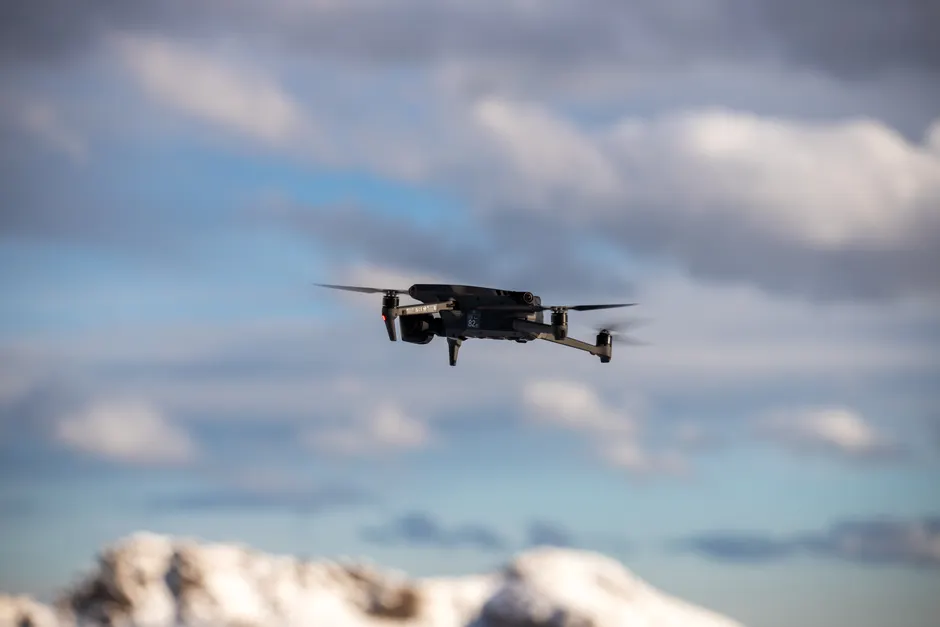
The strikes are part of what Ukraine calls its Crimean "switch off" campaign — a sustained effort to cut the peninsula off from its power supply and supply lines. Each drone used that night carried between 50 and 100 kilograms of explosives, according to a Guardian report published August 2, 2026. The drones were built in Kyiv by a Ukrainian defense technology startup, and employees of that startup go along on the actual missions with the military unit.
The unit, officially called the 414th Separate Unmanned Strike Aviation Brigade, is part of Ukraine's Unmanned Systems Forces. It is led by Robert Brovdi and has grown quickly, carrying out long-range drone attacks that challenge Russian supply lines and infrastructure. A May 2026 Guardian profile documented Brovdi's role and the pace his forces have kept up (The Guardian). The brigade has also struck at close range: a fiber-optic-controlled drone operated by the 414th hit Russian armored vehicles at a record 42 kilometers from the front line (Militarnyi).
Ukraine's drone capabilities have grown enormously since Russia's full-scale invasion in February 2022. Ukraine's long-range strike drone, the FP1, can fly more than 2,500 kilometers, putting anywhere in European Russia and much of Siberia within range. According to The Guardian, Ukraine has become the world's leading drone power after rapid growth in production and battlefield use.
Russia has attacked Ukrainian cities nearly every night since 2022 using Iranian-designed Shahed drones — flying explosives that loiter in the air before hitting their target — along with ballistic and hypersonic missiles. Ukraine's drone campaign against Russian energy infrastructure is a response in the same vein, though aimed at occupied territory and military supply lines rather than civilian areas.
Lt Col Ray, a Ukrainian commander with the 414th, described the campaign in ideological terms to The Guardian: "We are making history here. This is where democracy beats totalitarianism. It's like George Orwell. But this time Big Brother loses" (The Guardian).
The broader context here matters for several reasons. Having startup engineers ride along on military missions breaks down the usual wall between the people who build weapons and the people who use them. In a normal military, it can take months or years to fix a design problem because the feedback has to travel through layers of bureaucracy. Here, a drone that performs poorly on Monday can be redesigned by Wednesday. The FP1's 2,500-kilometer range, combined with the unit's ability to hit 13 targets across multiple locations in a single night, points to a force that has moved beyond hit-and-run raids toward a deliberate campaign to wear down Russia's ability to supply its troops far behind the front line.
The "switch off" logic is simple: a peninsula without electricity cannot easily keep military supply lines, fuel depots, communications, or troop rotations running. Hitting 13 electricity sites at once across widely separated locations means Russian defenses have to protect many points at the same time, which is far harder than guarding a few. And each power station knocked out can cause wider grid failures, so the damage spreads beyond the physical blast of the explosives.
The 42-kilometer fiber-optic drone strike adds another layer. Most military drones are controlled by radio signals, which Russian forces can jam. A fiber-optic drone is controlled through a thin physical wire, making it immune to that jamming. Hitting a target at 42 kilometers with a wire-guided system shows that Ukraine's drone technology and tactics are becoming more advanced.
Ukraine's status as the world's leading drone power, as The Guardian puts it, is less about making the most drones and more about combat experience. No other military has used drones in such large numbers against an opponent with similar military technology, including air defenses. That battlefield experience flows straight back to the Kyiv-based startups whose employees go along on the missions.