Why Ukraine Keeps Attacking Crimea's Power and Fuel Supplies
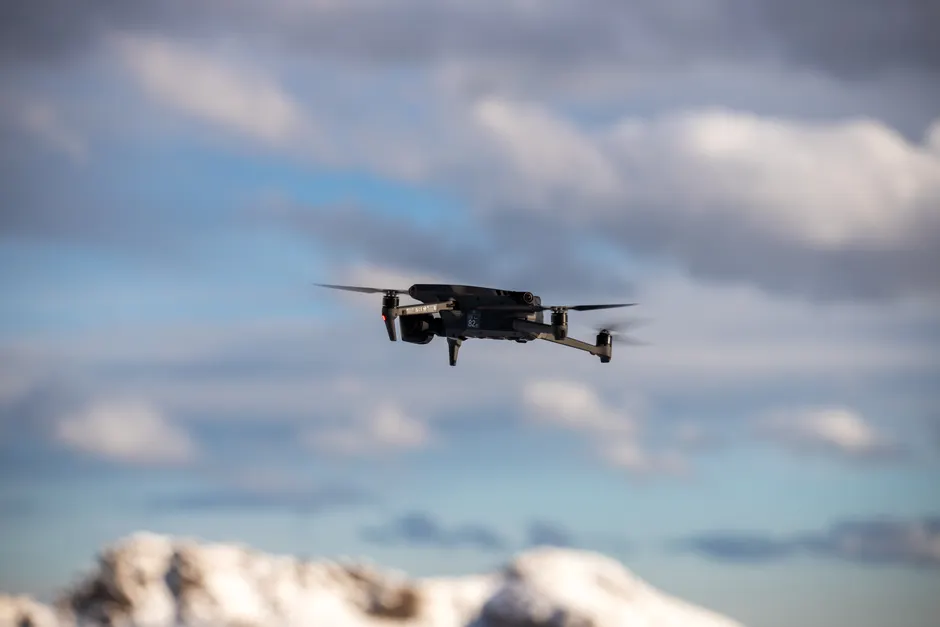
Ukrainian drones knocked out power in Sevastopol, a key Russian military port, on June 24, 2026, AP News reported. The local Russian governor said some areas would stay dark until evening. This was not a one-time event—Ukraine has been hitting Crimea's electricity and fuel systems repeatedly since 2024, and the attacks are getting more frequent.
Earlier in June, Ukrainian drones targeted Russian oil refineries, fuel storage tanks, and pipelines in occupied southern Ukraine, AP News reported. Tanker trucks carrying fuel have been attacked and set on fire. The aim is simple: cut off the supplies Russia needs to keep its military operating on the peninsula.
Sevastopol matters symbolically and strategically. Russia's main Black Sea naval base has been stationed there since the late 1700s. Russia claimed Crimea in 2014 and has called it part of Russian territory ever since. Ukraine disagrees completely. It has named one of its attack drones Sevastopol as a way of asserting its claim, and Ukrainian leaders have repeatedly stated that Crimea must be returned to Ukraine—a position supported by the EU and reaffirmed in a February 2023 EU-Ukraine statement, which also condemned Russia's attacks on Ukrainian civilians, president.gov.ua.
Ukraine cannot simply march an army into Crimea. The peninsula is heavily fortified and surrounded by water. So Ukraine has built a fleet of unmanned drones—some that skim across the water's surface, others that fly long distances and explode on impact. These drones are modified versions of weapons Ukraine captured from Russia. By hitting power plants and fuel depots, Ukraine forces Russia to send repair crews and air-defense weapons away from the main fighting lines. Without those resources elsewhere, Russia's frontline troops suffer.
There is another reason for these strikes: they are visible and disruptive. When residents lose power, they notice. When fuel trucks burn, the news spreads. It is hard for Russian officials to hide these failures from the population.
Russia relies heavily on a land corridor through occupied southern Ukraine to supply Crimea with fuel and goods. A bridge across the Strait of Kerch—the narrow waterway separating Crimea from Russia—has been damaged twice already. It is politically sensitive for Moscow and bottlenecked for supplies. The land route has become Russia's main lifeline. Every tanker truck destroyed, every fuel depot hit, weakens that lifeline further.
These repeated attacks cost Russia more than just fuel and electricity. Sevastopol sits at the heart of how Russia sees itself—President Putin talked about Crimea and Sevastopol constantly when he claimed the territory in 2014. Russian state media still uses it as a symbol of Russian power. Each time a power outage happens, it suggests Russia cannot even protect its own claimed territory. That is a serious blow to the story Russia is trying to tell.
Ukraine has stepped up these strikes in June 2026, possibly to maintain military pressure before any peace negotiations begin. No ceasefire or peace deal is in place yet. Ukraine has made clear many times—in official statements and diplomatic talks—that it will not accept a peace settlement that leaves Crimea under Russian control. Every drone strike is Ukraine's way of reminding everyone: this question is not settled.


