Saudi Arabia's Leader Calls Trump to Push for Talks Instead of War With Iran
Saudi Arabia's Crown Prince Mohammed bin Salman, often called MBS, called US President Donald Trump on 2 August 2026. He urged Trump to choose talking over fighting in the US-Iran conflict. This happened just as Trump decided to hold off on launching new attacks against Iran.
The Saudi Press Agency said MBS "stressed the need to prioritise dialogue to reduce escalation" and highlighted "the importance of making every possible effort to achieve calm that paves the way for diplomatic solutions." He also said the Gulf region's security must be protected and warned against a wider conflict "whose repercussions would affect regional and international security and stability" (SPA, SPA).
The timing was tense. On Saturday, Trump wrote on Truth Social that the US was "locked and loaded and ready to go against the Islamic Republic of Iran" at force levels not seen "since World War II." By early Sunday, he changed direction. He said he would hold off on new strikes because "the perimeters of a deal has been agreed to." Trump said he cancelled the planned attack because Iran and other Middle Eastern governments had asked Washington to hold back. He said the deal would involve reopening the Strait of Hormuz and ending Iran's "nuclear threat," with Israel joining the US "in this commitment." He made the pause conditional, saying he cancelled the attacks "subject to being able to rapidly make a deal" (Al Jazeera).
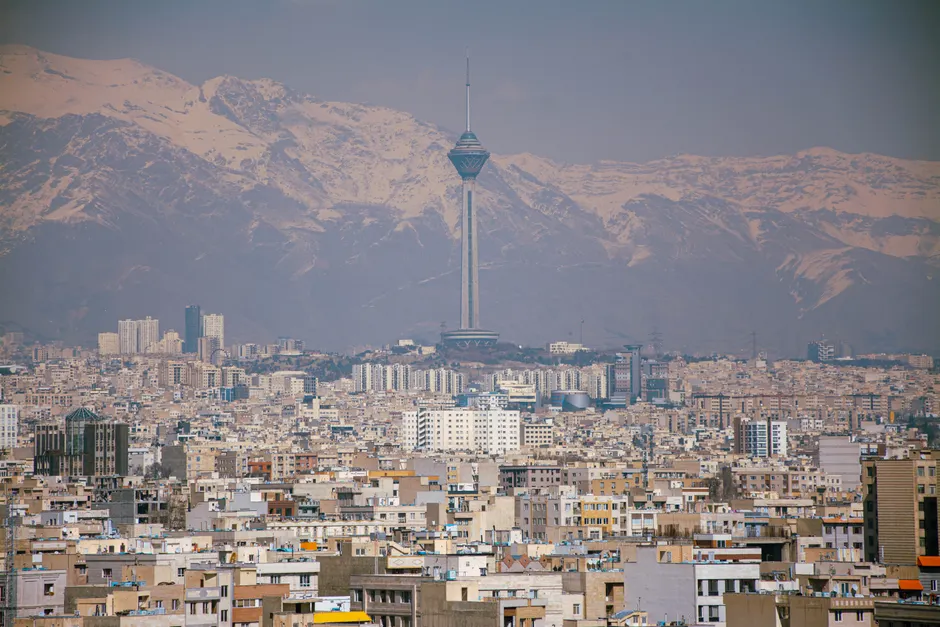
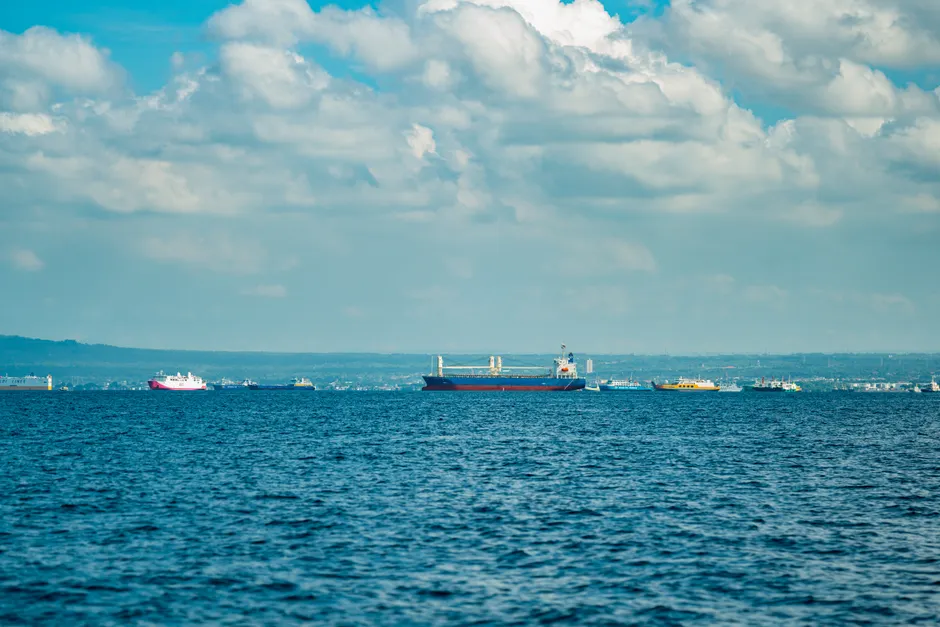
The Strait of Hormuz is a narrow strip of water between Iran and Oman. About a fifth of all the oil and gas that countries buy and sell worldwide passes through it. If it gets blocked, fuel supplies to much of the world could be disrupted.
Iranian state media quoted military officials who called Trump's claim that Tehran had asked for a pause "nothing but a new lie." They said Iranian forces stayed on high alert. But an Iranian source also said Iran would stop its attacks on the US as long as Washington kept its pause on strikes (Reuters).
A US official said another reason for the pause was that American weapon supplies were running low (Reuters). Secretary of State Marco Rubio said earlier US strikes had destroyed much of Iran's navy, air force, and missile defences. He said the US was now negotiating with Iran "from a position of strength."
A person familiar with the call, cited by US media, said MBS was worried that a major US strike on Iran's energy facilities could lead Iran to strike back at oil and gas facilities in the Gulf. Saudi Arabia has already faced attacks in recent weeks. It intercepted drones aimed at its eastern oil facilities and at its capital, Riyadh. Iran-aligned Houthi rebels in Yemen also struck Saudi oil infrastructure and threatened to block ships in the Red Sea.
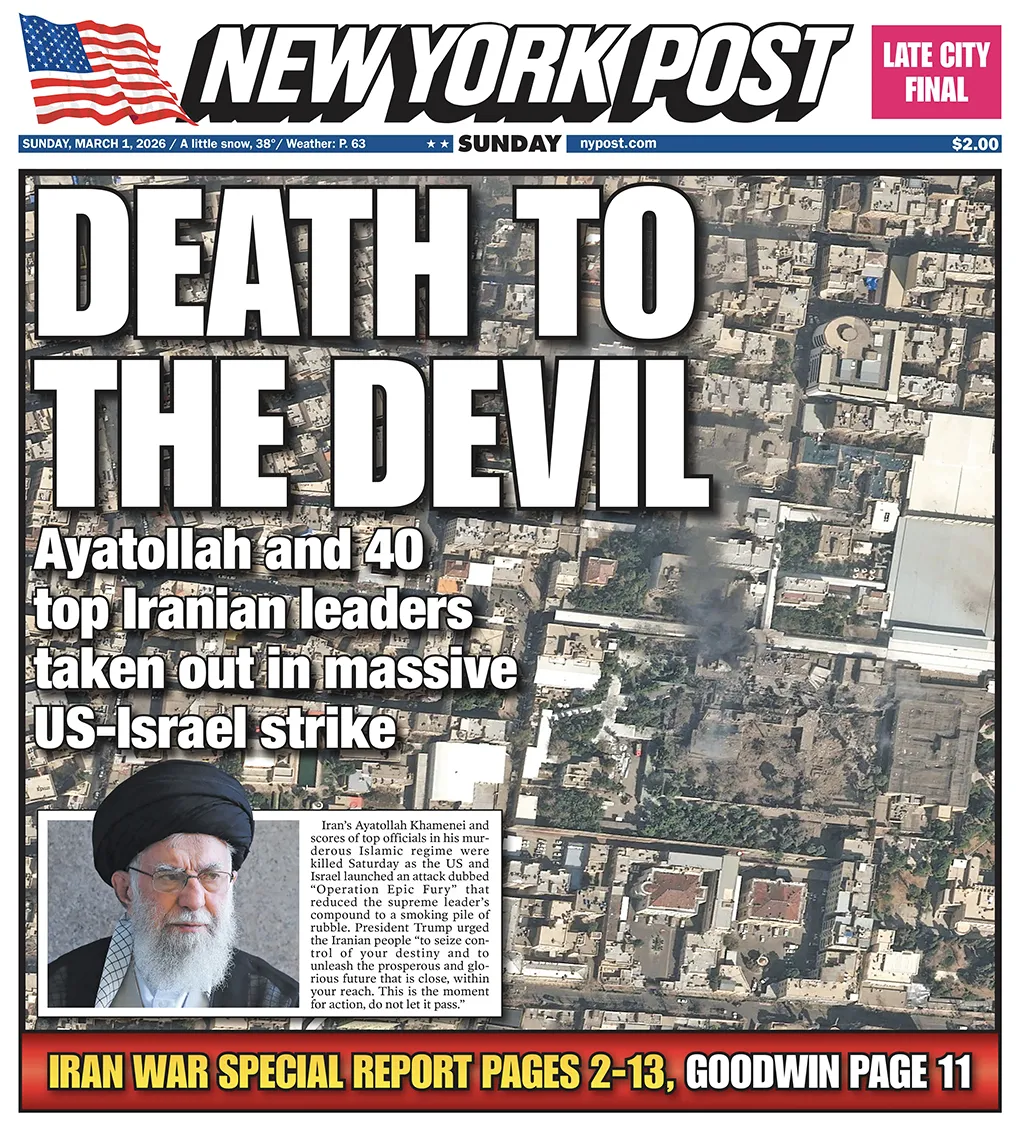
The war started on 28 February 2026, when the US and Israel launched strikes to destroy Iran's missile programme, stop it from building a nuclear weapon, and cut off support for armed groups allied with Iran. The White House called the campaign "Operation Epic Fury" (White House). A ceasefire agreed in June fell apart within weeks because of a disagreement over who could use the Strait of Hormuz for shipping. Fighting resumed in July.
Marlin Hardinger, a professor at the University of Wisconsin-Eau Claire, said Saudi Arabia's direct role in mediation, along with Qatar, Pakistan, and Oman, appeared to have pushed Trump to reconsider. Hardinger told Al Jazeera that diplomats' main task now was to "keep the dialogue going."
The broader context here is a conflict that has already broken one ceasefire, and the Strait of Hormuz is the main reason it fell apart. Any deal that does not settle who can ship through the strait has the same weakness built in.
There is a wide gap between what Trump says and what Iran says publicly. Trump claimed deal terms have been agreed. Iranian military officials called that a fabrication. Both sides have paused the fighting for now, but each one did so on its own. Iran explicitly said it would only hold back if the US kept its pause too. That makes the situation fragile, because either side can reverse course whenever it wants. The reported concern about low US weapon supplies suggests the pause may also be driven by military practicalities, not just diplomacy. If the US rebuilds its strike capacity before a formal deal is signed, the situation could change again.
For Saudi Arabia, the risk is direct and material. The kingdom's oil facilities have already been hit during this conflict. MBS's warning about a war whose effects would spread across the region reflects a real fear: that a US attack on Iran's energy sites would lead Iran to strike back at Gulf oil and gas facilities. SPA also reported that Trump and MBS discussed trade deals between the two countries and steps to fight terrorism supported by the Iranian regime (SPA, SPA).
The Gulf Cooperation Council, a group of Gulf states that works together on economic and security matters, has previously welcomed Trump's intent to collaborate with Saudi Arabia, the UAE, and Egypt (SPA). This suggests a wider regional framework behind the current mediation effort. Whether that framework can hold up a lasting agreement, covering the Strait of Hormuz dispute, checks on Iran's nuclear programme, and Israel's role in the deal, is the key question. For now, several countries in the region have managed to pull the conflict back from an escalation Trump himself said could have been unmatched since World War II. What they have achieved is a pause, not a peace.