What Happened at Garma and Why It Matters for Aboriginal Land

Australia's biggest Indigenous gathering, the Garma festival, has just wrapped up in north-east Arnhem Land, and two big things came out of it. Both could change who controls Aboriginal land in the Northern Territory. The festival's theme this year was "Bukmak," a Yolngu word meaning all people, and the timing was significant: it coincided with 50 years since the Northern Territory Land Rights Act became law The Guardian.
Garma started in 1999 and is held at the Gulkula ceremonial site, about 40 km from the town of Nhulunbuy on the Gove Peninsula. Rirratjingu clan leader Witiyana Marika was at the first meeting. The festival was founded by the late Gumatj clan leaders Galarrwuy Yunupingu, a land rights activist, and Mandawuy Yunupingu, the frontman of the band Yothu Yindi. The name Garma comes from a Yolngu concept meaning a place for "two-way learning" The Guardian.
The big announcement came from Djawa Yunupingu, who leads the Gumatj Corporation and chairs the Yothu Yindi Foundation. He said the 13 clans of north-east Arnhem Land want to leave the Northern Land Council and start their own body, called the Dilak Land Council. If it goes ahead, it would be the first new land council created in the Territory in 35 years The Guardian.
To understand why this matters, you need to know what a land council does. The Northern Land Council (NLC) is a government-created body that manages Aboriginal land in the Top End. It's been doing this job for 50 years. The 13 clans want to break away and run their own land affairs through the Dilak Land Council, which would cover the Gove Peninsula and surrounding area. Because the NLC was set up by federal law, creating a new one means the Commonwealth Parliament has to pass legislation. The exact boundaries and powers of the new body haven't been spelled out yet. Think of it like a group of local branches deciding to leave a big organisation and set up their own, except it's written into federal law, so Canberra has to agree.
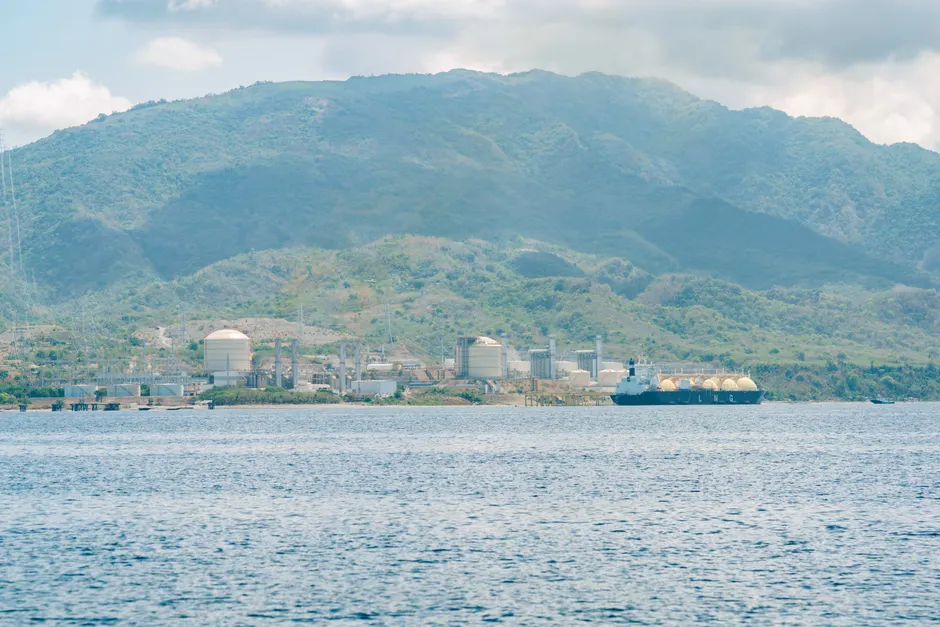
Northern Territory Chief Minister Lia Finocchiaro used her speech to announce a deal for the Rirratjingu clan to take over the town lease of Nhulunbuy. Nhulunbuy is the service town for a Rio Tinto-owned bauxite mine on the Gove Peninsula, and that mine is set to close in 2029 The Guardian.
The mine closure is the backdrop to both announcements. Nhulunbuy's economy has depended on bauxite mining since the 1970s. Handing the town lease to the Rirratjingu clan before the mine shuts gives Traditional Owners a say in what happens to the town after mining ends, though nobody has laid out yet what that post-mining economy looks like. The timing is not a coincidence. Both the Dilak proposal and the lease handback put Traditional Owners in a decision-making position over land and infrastructure just as the old economic engine is winding down.
Finocchiaro and Gumatj and Rirratjingu leaders have also written a joint letter to Prime Minister Anthony Albanese asking that fuel tankers on the Gove Peninsula be included in the nation's fuel reserve plan The Guardian. The letter pairs a local request with a national security angle, which is deliberate. Fuel security in northern Australia has worried federal governments for years, and linking the Gove Peninsula's fuel infrastructure to the national reserve would give the region a purpose beyond the mine.
The Albanese government's response to both the Dilak proposal and the fuel reserve letter will be the real test. Setting up a new land council requires federal parliament to pass a law. The fuel reserve request falls under federal energy and defence policy. Neither is a quick fix. Both will take legislative or regulatory work, and whether the government wants to do that work during an election period is an open question.
The Dilak proposal also puts the Northern Land Council in a difficult position. The NLC has been the representative body for the region for 50 years. Losing 13 clans to a new entity would shrink its jurisdiction and potentially its funding, which depends on how much land it manages. How the NLC responds, whether through negotiation, resistance, or accommodation, will shape how the split plays out. The last time a new land council was created in the Territory was 35 years ago, so there's not much precedent to go on.
Garma has always been a place where Indigenous leaders can announce things that might not get attention in the regular political news cycle. The festival is remote, it carries deep cultural authority, and it draws politicians and corporate leaders. That combination lets Indigenous leaders set the agenda instead of responding to someone else's. The Dilak proposal and the Nhulunbuy lease handback fit that pattern. They are not reactions to something. They are deliberate bids for Traditional Owners to govern their own land at a moment when the region's economy is changing.