China's Star Chip Company Wants a Second Factory. Here's Why It Matters.

CXMT, China's largest chip company by stock-market value, is considering building a second memory-chip factory in Beijing and is in financing talks for the project, according to sources reported by Reuters on August 3, 2026. The news comes barely a week after the company's first day of public trading in Shanghai sent its stock up 466%.
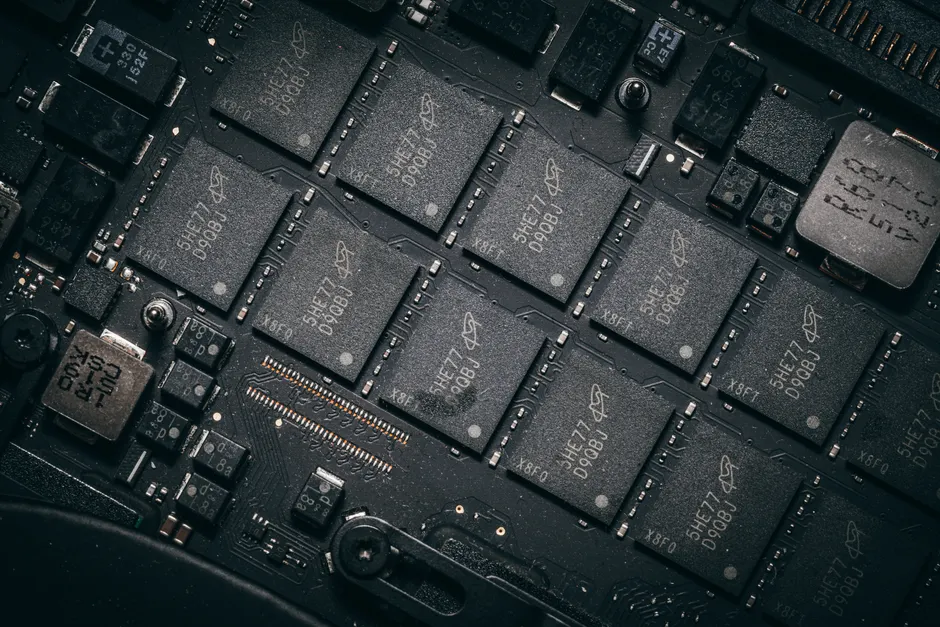
Memory chips, the kind CXMT makes, store temporary data in everything from laptops to smartphones to data-center servers. A second factory would let CXMT produce more of these chips inside China. After its public debut, CXMT's market value reached approximately $539 billion — just over half of what Micron Technology, the American memory-chip giant, is worth. That gap is striking because CXMT holds a far smaller share of the global memory-chip market (Reuters).
CXMT priced its initial public offering at 8.66 yuan per share and raised 57.92 billion yuan ($8.6 billion), making it Asia's largest public offering of the year (Reuters). Shares closed at 49 yuan on the first session, up 466% from the offer price, after hitting an intraday high of 55.03 yuan. At the closing price, CXMT was valued at roughly 3.3 trillion yuan, or about $488 billion (Financial Post). Reuters also reported the shares surged more than 500% on debut (Reuters).
The IPO's impact rippled across the Pacific. Micron's shares fell 13% around CXMT's Shanghai listing, closing at $900.20 on July 27, 2026, according to Yahoo Finance (Yahoo Finance). UBS responded by raising its price target on Micron to $1,625, suggesting analysts viewed the selloff as overdone relative to Micron's competitive strength.
CXMT's rise as China's leading memory-chip producer was built over nine private fundraising rounds, according to company filings (Reuters). The company has already put pressure on established players: competition from Chinese rivals making lower-end memory chips, including CXMT (ChangXin Memory Technologies), has pushed Samsung and SK Hynix to speed up their own efforts (Reuters).
The broader context here matters for anyone trying to understand the chip market. CXMT's stock-market value implies a level of future growth and pricing power that its current chip output does not yet support. The gap between a roughly $488–539 billion valuation and a small slice of the global market reflects investor bets on continued government backing, demand for Chinese-made alternatives to imported chips, and factory expansion. A second Beijing plant would be the physical proof of that bet. Whether the financing talks turn into real money, and on what terms, will be the signal to watch. The first factory took nine private funding rounds to reach scale; a second plant's funding will show whether government-linked investors and commercial lenders are ready to back growth at the speed the share price demands.
For Micron, Samsung, and SK Hynix, a second CXMT plant means the competitive threat is no longer hypothetical. The established players have already responded by accelerating their plans, but more Chinese chip-making capacity, even starting at the lower end, puts downward pressure on prices across the memory-chip market. The 13% Micron selloff around the IPO captured that anxiety in real time. The UBS upgrade to $1,625 captured the counter-argument that incumbents still hold strong technology and scale advantages.
The financing talks are at an early stage and have not concluded. No factory specifications, timeline, or capacity targets have been disclosed. What is confirmed is CXMT's intent to expand, its willingness to test investor appetite for more spending right after a record-setting IPO, and the competitive response that its very existence has already triggered among the small group of companies that dominate global memory-chip production.