What's Happening in Venezuela After the Deadly Twin Earthquakes

Venezuela's confirmed death toll from the June 24 double earthquake has reached 6,125, National Assembly President Jorge Rodriguez announced on August 3, 2026 (Al Jazeera). Two powerful earthquakes — measuring magnitude 7.2 and 7.5 — struck the coastal state of La Guaira and the capital city of Caracas six weeks earlier. Rodriguez also reported that 61,000 people have been treated in hospitals since the disaster.
The death toll has climbed steadily through weekly updates. Within 24 hours of the quake, 188 people were confirmed dead and 1,520 injured. The number rose to 1,430 by June 27, then 1,719 by June 29, 4,490 by July 12, 4,829 by July 15, 5,069 by July 17, and 5,546 by July 25, before passing 6,000. Earlier government figures recorded 16,740 injured, 17,907 people affected overall, 6,462 rescued alive, and 430 aftershocks (smaller tremors that follow the main earthquake). The U.S. Geological Survey had estimated early on that more than 10,000 deaths were possible.
The physical destruction is immense. The World Bank has placed the damage at nearly $20 billion. Rodriguez said only 16.5 percent of the rubble and debris has been cleared so far, a number that six weeks into the crisis shows how overwhelming the cleanup is for Venezuelan authorities.
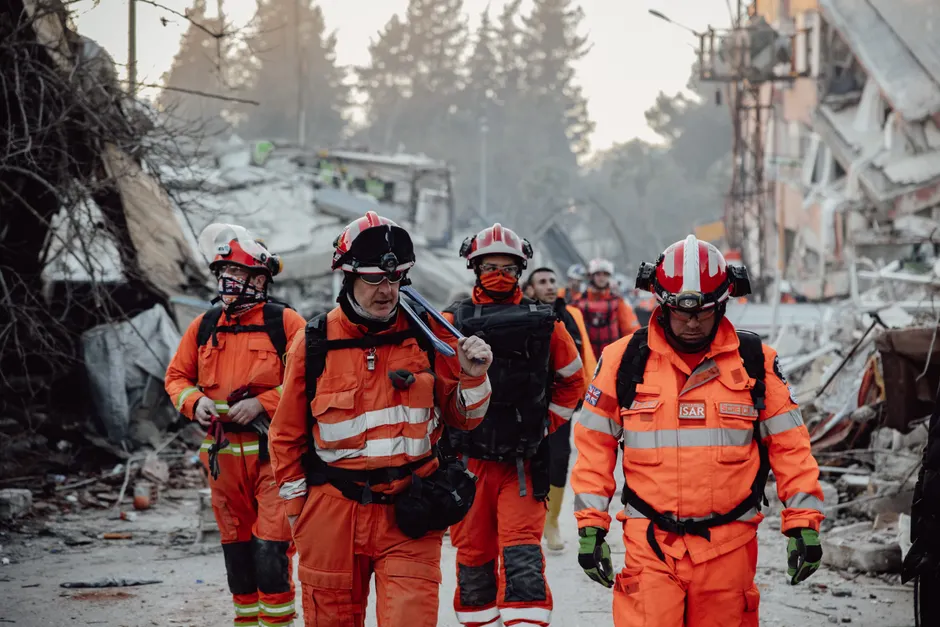
The recovery is being managed under the interim presidency of Delcy Rodriguez, who took over after a U.S. military raid in January 2026 that abducted former President Nicolas Maduro. That operation removed Venezuela's head of state by force, and the current administration is now steering the country through its worst natural disaster in modern memory under extraordinary political conditions. The search-and-rescue phase drew 1,600 foreign rescuers into the country by late June. The government is also evaluating plans to speed up housing construction, and on July 31 the National Assembly passed a new housing law — its tenth law of the current parliamentary period.
The National Assembly has also announced that political talks would begin during the first week of August in Caracas. Whether those talks address the leadership gap created by Maduro's removal or focus on disaster coordination is still unclear. The Assembly has also been authorizing ambassadors and advancing new laws, including one that would make animal mistreatment a criminal offense, suggesting a government trying to keep things running normally during a crisis.
The pattern of the rising death toll tells its own story. The steepest climb came in the first three weeks, from 188 on June 25 to 5,069 by July 17. That jump likely reflects both bodies pulled from collapsed buildings and deaths among the injured in overwhelmed hospitals. The pace has slowed since mid-July, with about 1,000 additional deaths confirmed over the following two weeks. The 61,000 hospitalizations figure suggests far more people were affected than the 17,907 recorded in the July 25 update, though the two numbers may measure different things — one counting medical cases, the other possibly counting displaced people.
Venezuela's northern coast sits on the edge of two tectonic plates — large sections of the Earth's outer shell that slowly shift and sometimes grind against each other, causing earthquakes. Think of it like two puzzle pieces sliding past one another: when they catch and release, the ground shakes. Having two major quakes hit in quick succession makes things worse because buildings weakened by the first shock can collapse entirely in the second. Rescue teams that started working after the first tremor are also put in danger by the second.
The bigger picture is one of compounding pressures. With only 16.5 percent of debris cleared after six weeks, the slow pace of cleanup points to how stretched the country's resources are. Venezuela's economy, already weakened by years of U.S. sanctions (restrictions that limit trade and financial activity), now faces a reconstruction bill approaching $20 billion with no clear source of outside funding. The political talks scheduled for August may determine whether the rebuilding effort moves forward under one unified authority or under scattered, less effective management.