Over 5,000 Dead in Venezuela's Earthquakes — Here's What's Happening

The confirmed number of people killed in the June 24 earthquakes in Venezuela has passed 5,000, reaching 5,069 as of July 18, according to National Assembly President Jorge Rodriguez (Al Jazeera). On the same day, Interim President Delcy Rodriguez said Venezuela had secured $346 million in emergency money from the International Monetary Fund (IMF), a global organization that lends to countries in financial trouble.
Two powerful earthquakes hit Venezuela on June 24, one measuring magnitude 7.2 and the other 7.5, just a minute apart. Magnitude measures how much energy an earthquake releases — anything above 7.0 is considered major. Since then, more than 1,300 aftershocks, which are smaller tremors that follow the main quake, have been recorded.
The death count rose sharply over the weeks. The National Assembly reported 188 deaths on June 25, then 1,430 by June 27, 1,719 by June 29, and 2,295 by July 1 (National Assembly). The climb from 188 to over 5,000 in under four weeks shows how much destruction the quakes caused and how long it took rescue teams to reach the worst-hit areas.
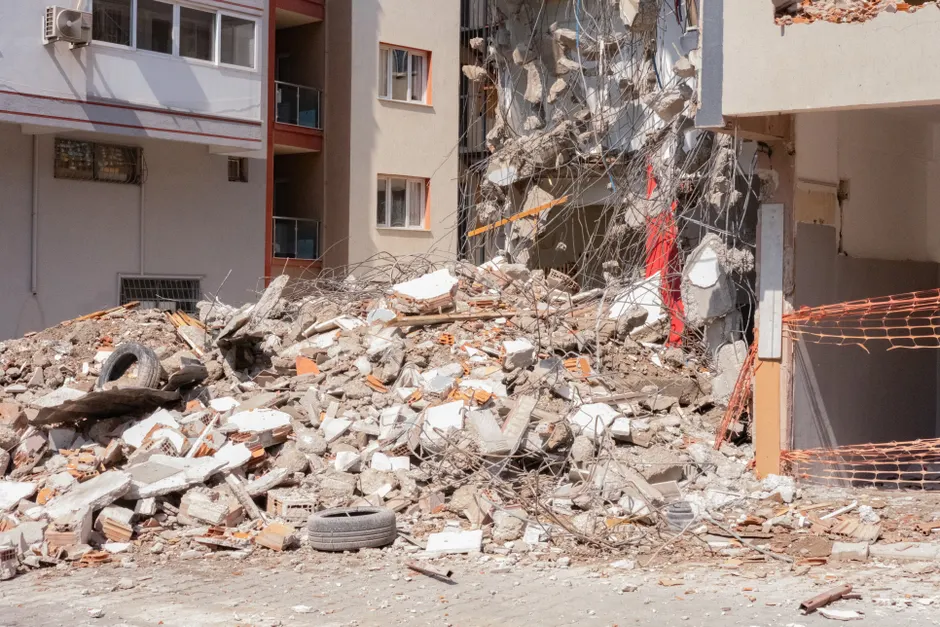
The coastal state of La Guaira suffered the most damage. It is home to Venezuela's main international airport, a major seaport, and hundreds of apartment towers. Many of those towers partially or completely collapsed. Because the airport and port were damaged, it has been harder to bring in aid and rescue workers.
About 20,000 people are still displaced, living in crowded shelters without reliable clean water or working toilets. Of the 16,740 people injured, most had left hospitals by July 18. Authorities had also reported 157 people missing and 200 trapped in the immediate aftermath.
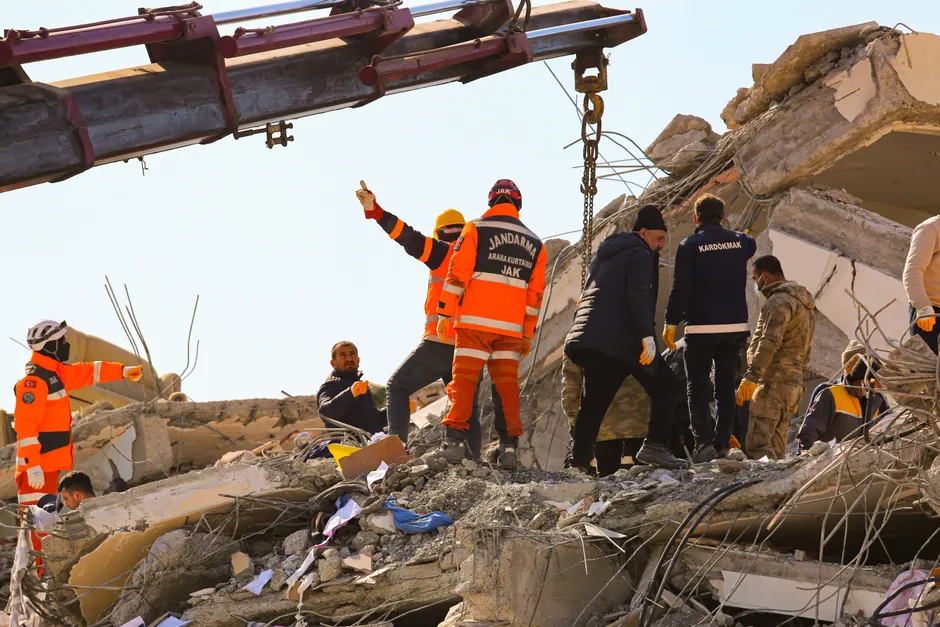
A Reuters investigation found that the first days of rescue efforts were slowed by delayed orders to send in the military, a shortage of basic rescue equipment, and confusion caused by too many people trying to give orders at once. These early problems may come under review as Venezuela's transitional government faces questions about how it handled the disaster.
The $346 million from the IMF, announced by Interim President Rodriguez on July 18, was confirmed by IMF Managing Director Kristalina Georgieva. The money is being drawn from what is called Venezuela's reserve tranche. Think of this as a savings account Venezuela already has at the IMF. Because it is Venezuela's own money on deposit, the funds can be released quickly without the usual strings attached to IMF loans, such as demands to change government spending or economic policy.
The bigger picture here is that Venezuela is still rebuilding its relationship with global institutions. The IMF and World Bank cut ties with Venezuela in 2019 but restored them in April 2026. That came after the United States forcibly removed former President Nicolas Maduro from power in January 2026. In January, IMF Communications Department Director Julie Kozack said in a press briefing that Venezuela was in the middle of a severe and long-running economic and humanitarian crisis (IMF). The earthquake hit a country already struggling with deep economic problems and weakened government institutions.
How the new government handles this disaster will be an early test of whether it can govern effectively. The Reuters findings on delayed military action and confused command suggest that gaps in coordination, left over from the previous administration, may have cost lives during the critical first 72 hours after the quake.
Two questions are worth watching. First, will $346 million be enough for a disaster this large, or will Venezuela need to ask the IMF for more money that comes with conditions attached? Second, can the government spend quickly on disaster relief while also showing the financial restraint that global institutions expect? The $346 million covers immediate needs. Rebuilding La Guaira's airport, port, and housing will cost far more and take years, not weeks.