Apple's New $599 Laptop Takes On Budget Competitors

Apple's New $599 Laptop Takes On Budget Competitors
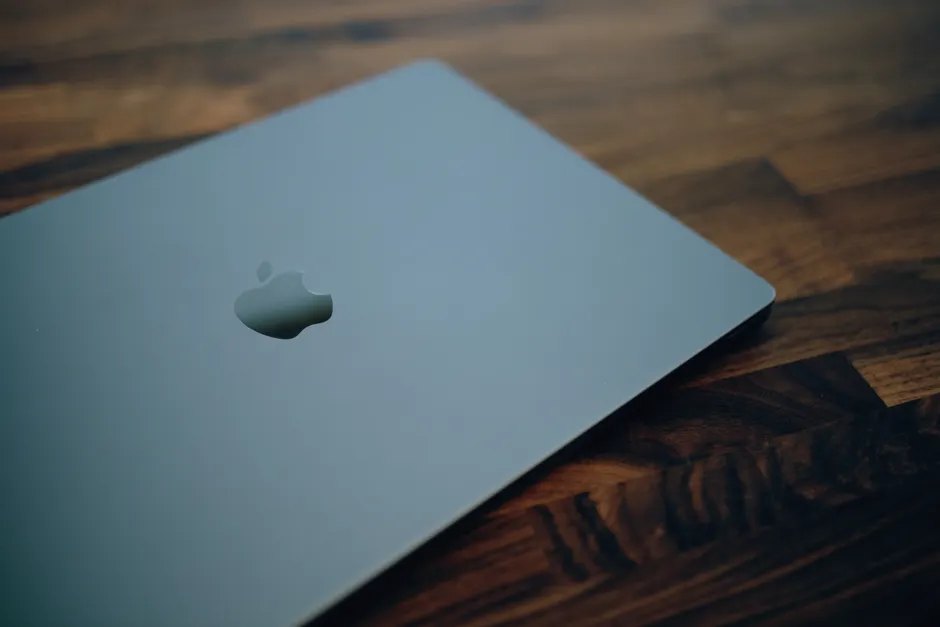
Apple announced a new laptop called the MacBook Neo in March 2026, priced at just $599. This is a big deal because Apple has never sold a laptop this cheaply before. The company is now trying to compete directly with budget laptops from other brands like Windows PCs and Chromebooks—devices that have dominated the affordable laptop market until now.
What You Get
The MacBook Neo includes a security feature called Touch ID, which lets you unlock the laptop and log into apps using your fingerprint. This is the same technology available on Apple's more expensive laptops.
At $599, the MacBook Neo costs hundreds of dollars less than any other Apple laptop. Students can buy it even cheaper, at $499, as part of Apple's long-standing practice of offering discounts to schools.
Why This Matters
Budget laptops have been dominated by two camps for years: Windows PCs made by companies like Acer, ASUS, and Lenovo (usually $400–$700), and Chromebooks, which run Google's simpler Chrome OS and excel at web browsing and cloud-based work. Apple has traditionally stayed out of this price fight, preferring to sell premium laptops at premium prices.
This is a strategic shift for Apple. Over the past decade, the company has tested lower-priced versions of other products, like the iPhone SE and the standard iPad, with good results. The MacBook Neo follows that pattern into laptops.
The Competitive Landscape
For Windows laptop makers, an Apple laptop at $599 is a threat. Selling affordable hardware has been their main advantage against Apple's expensive machines. Now they have to find other ways to stand out—through design, special features, or better performance.
Chromebooks face a tougher puzzle. These devices have thrived by being "good enough" and cheap. The MacBook Neo runs full macOS software, which is more powerful than Chrome OS but also more complex. Whether people will pay more for that power is an open question.
Schools are the real battleground. Over the past decade, Chromebooks have become standard in American classrooms because they're affordable and easy for IT staff to manage. Apple's $499 education price suggests the company is serious about competing here.
What Makes macOS Different
The MacBook Neo runs the same operating system as Apple's expensive laptops, called macOS. This matters because it can run more types of software than a Chromebook, which relies mostly on web-based tools and Google apps.
That said, getting macOS into a $599 laptop probably meant cutting corners somewhere—perhaps a slower processor, less storage, or a less impressive screen. How much of a difference these trade-offs make will determine whether the MacBook Neo is genuinely useful at its price.
One advantage Apple does have: if you own an iPhone or iPad, a MacBook Neo works seamlessly with those devices, sharing files and syncing information. This "lock-in" effect could help Apple keep people as customers, even if they started with Apple just because of the price.
What Happens Next
Whether the MacBook Neo succeeds depends on details we don't know yet: How long does the battery last? How fast is it? Is it built well? Apple usually handles these things well, but the company has less experience building laptops at cut-rate prices.
The broader PC market may feel the pressure. Windows makers might have to focus less on price and more on what makes their machines special. Chromebook companies will probably emphasize what Chrome OS does best—simplicity and seamless Google integration.
The timing is also worth noting. More people now work from home and rely on cloud-based tools like Google Docs and Microsoft 365, rather than heavy software installed on their computers. This shift could actually favor the MacBook Neo, since it prioritizes battery life and internet connectivity over raw processing power.
Apple has a mixed record when it comes to selling cheaper products without damaging its brand image. The iPhone 5c, released in 2013, was supposed to open up Apple to budget buyers but didn't resonate. The iPad and iPhone SE, however, have done well. The MacBook Neo's success will tell us whether Apple has learned how to do this right in laptops.