Why Are People Calling for a Barbecue Ban in the UK?

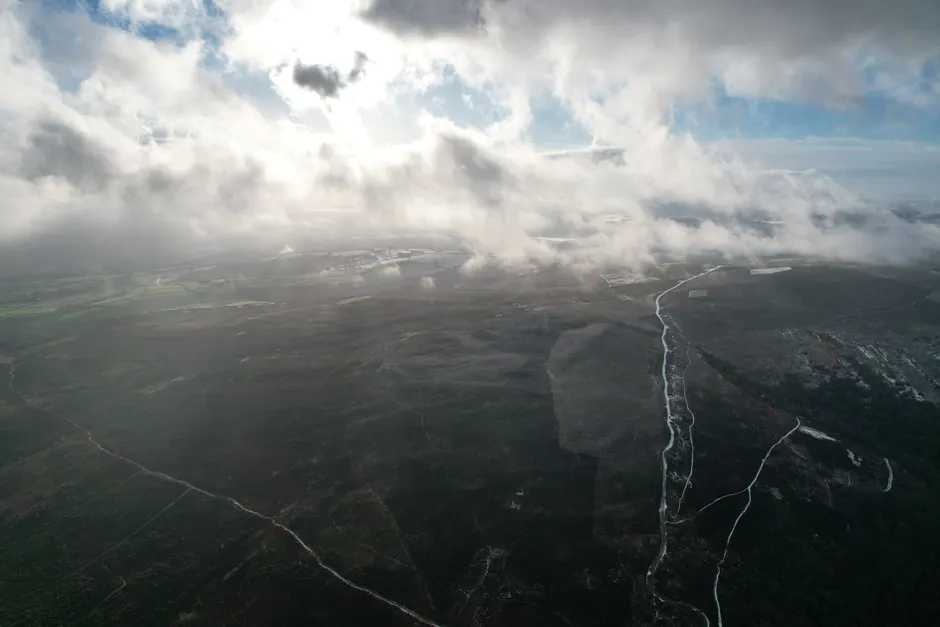
Farmers, firefighters and a group of politicians from multiple parties are calling for a temporary ban on disposable barbecues across England and Wales. Wildfires have been burning across every part of the UK in 2026, with an estimated 20,000 hectares (50,000 acres) already destroyed The Guardian.
Disposable barbecues are cheap, single-use grills sold in foil trays. Once lit, they stay hot for hours and can be hard to fully extinguish. Campaigners say that when people leave them on dry grass or in bins that still hold heat, they can start fires that spread quickly.
The groups asking for the ban include the Liberal Democrats and many Labour MPs, along with the National Farmers' Union (NFU) and the Country Land and Business Association (CLA). Jon Pearce, a Labour MP for High Peak in Derbyshire, has written directly to shops asking them to stop selling disposable barbecues.
Fires have hit every UK region this year. The 20,000 hectares burned include farmland, grazing areas and protected natural habitats. This comes on top of what has already been a bad season for farmers. Tompkins, the deputy president of the NFU, said wildfires were an urgent concern for farmers already struggling with poor harvests. He wants shops to stop selling disposable barbecues and local councils to use special orders to stop people lighting barbecues, campfires and camping stoves on open land.
These special orders are called public space protection orders, or PSPOs. A PSPO lets a council ban certain activities in certain places if they could cause harm. It works a bit like a local rule that stops you from parking on a particular street, but for lighting fires instead of parking cars. Both the NFU and the CLA say PSPOs are the most practical way for local areas to enforce restrictions, because there is no single UK law that automatically bans barbecues or bonfires when a drought has been declared The Times. Each council has to make its own decision, which means rules vary from place to place.
Most big UK supermarkets, including Tesco, Sainsbury's, Morrisons and ASDA, already stopped selling disposable barbecues after an earlier campaign by the CLA. Some have kept that voluntary ban going for years. But the barbecues are still easy to find in smaller independent shops, some hardware and DIY stores, and online. Campaign groups say this makes the voluntary approach too patchy and that a formal ban is needed.
The NFU has warned that a discarded disposable barbecue can start a fire quickly in dry weather, and that fires can spread fast across dry land. The CLA ran its own campaign calling for an immediate ban on selling disposable barbecues. BBC News reported in May 2026 that a wildfire warning had been issued over disposable barbecues and that calls had been made for a ban in London BBC News.
This is not the first time people have asked for a ban. In July 2022, London's fire commissioner called for a total national ban after disposable barbecues were blamed for starting wildfires across England. The CLA asked for a sales ban the following month. The NFU reminded the public to act responsibly that same summer. Every heatwave and dry spell has brought the campaign back, but no government has passed a full ban yet.
The broader context here is that the UK is facing more wildfires than it used to, but its laws were written for a cooler, wetter country. There is no national rule that kicks in automatically when drought makes fires more likely. Instead, individual councils have to decide on their own whether to restrict barbecues and bonfires. That means even when fire risk is well predicted, the legal tools to stop fires before they start depend on where you live. The big supermarkets pulling barbecues from shelves helps, but it cannot stop the smaller shops and online sellers from keeping them in circulation.
For farmers, the damage adds up. Wildfires destroy standing crops, hedgerows, fences and grazing land on top of already poor harvests. Getting money back from insurance for fire damage on rural land is often slow and incomplete. The NFU's framing, linking barbecue rules directly to food supply, reflects a farming sector that increasingly sees wildfires as a long-term threat to producing food, not just a one-off problem. Whether this year's campaign leads to new laws or fades away with the next rainfall is the question that Westminster and the Welsh government in Cardiff will face in the coming weeks.