Women Who Spoke Up in India's 'Cockroach' Protests Got Doxxed and Threatened Online

Women who joined India's "cockroach" protests and posted about them online have been doxxed, threatened, and slut-shamed, according to first-person accounts published by the BBC on 4 August 2026. Doxxing means having your private information, like your name, address, or phone number, shared publicly without your consent. The harassment targeted female demonstrators after a protest at Jantar Mantar on 20 July, where police carried out a baton charge and authorities shut down the internet around the site. BBC
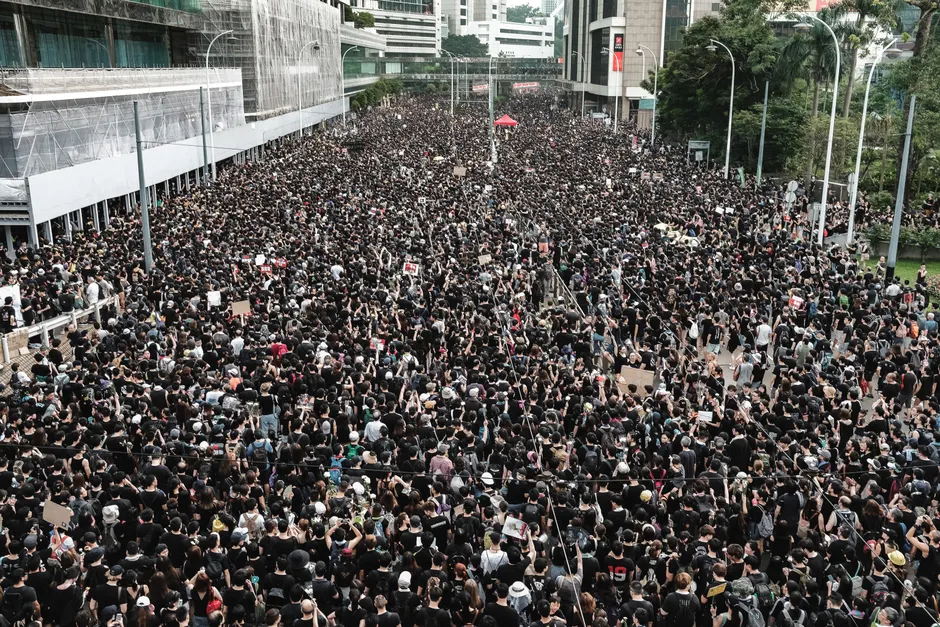
The "cockroach" protests started because national entrance exams in India were leaked, which meant students who had prepared for months or years felt cheated. Tens of thousands of young Indians began calling themselves "cockroaches" as a way of pushing back, and the movement grew into a broader challenge to Prime Minister Narendra Modi's government. On 20 July, one woman in her mid-20s, a content creator, attended a protest in person for the first time after posting about the demonstrations from the beginning. She shared first-person accounts on Instagram afterward and helped organise food, aid, and volunteers. Then the abuse began.
The woman told the BBC she was "slut-shamed" and attacked for questioning the prime minister's comments after the protest ended. She said she lost count of the messages she deleted and the people she blocked as the harassment continued. Her mother stopped reading the comments on her posts because she could not bear the things strangers said about her daughter. The woman credited Instagram's recommendation system for pushing her content toward more women, which she said partially shielded her from abuse compared with many other female creators. BBC
Her experience is not isolated. The BBC article, headlined with the quote "I was slut-shamed," features first-person accounts from multiple women describing how they were harassed for participating in the protest and posting about it online. The Guardian reported on 3 August that many female protesters who participated in the Jantar Mantar demonstration are being doxxed and threatened by supporters of the Bharatiya Janata Party, India's ruling party. The Guardian Al Jazeera, reporting on 1 August, found that Modi's supporters doxxed and abused protesters on social media during the cockroach protests. Al Jazeera The Hindu documented on 30 July that women protesters faced severe online harassment and doxxing even after issuing apologies and trying to calm the backlash. The Hindu
Prime Minister Modi responded to the unrest by saying he forgave the "children" who had abused him, urging society to do the same rather than punish them or drag them through the courts. BBC
The broader context here is that Modi's response treats the abuse aimed at him and the abuse aimed at female protesters as if they are the same situation. They are not. Modi is the head of government with the full weight of the state behind him. The women targeted are private citizens without that kind of protection or power.
There is also a recognizable pattern in how these harassment campaigns work in India. The doxxing followed a familiar sequence: protesters were identified from their social media posts, their details were spread across networks aligned with the ruling party, and the harassment continued, sometimes reaching family members. The fact that women who apologised and tried to calm things down still faced threats suggests these campaigns are less about genuine anger and more about punishing people to scare others from joining future protests.
The role of social media algorithms cuts both ways. The content creator noted that Instagram's system pushed her posts toward women, which partially protected her from the worst abuse. That is a dynamic rarely discussed in protest coverage. The same platform tools that helped one creator reach a friendly audience left others exposed to hostile networks. Think of it like a megaphone: it can amplify your voice to supporters, but it can also hand that same megaphone to people who want to intimidate you.
For anyone watching digital rights and civic freedom in India, the 20 July protest and its aftermath bring several trends together in one case: the use of internet shutdowns to limit live reporting, the targeting of women through doxxing, and a political message of forgiveness that shifts attention away from the power gap between a head of government and the citizens who question him.