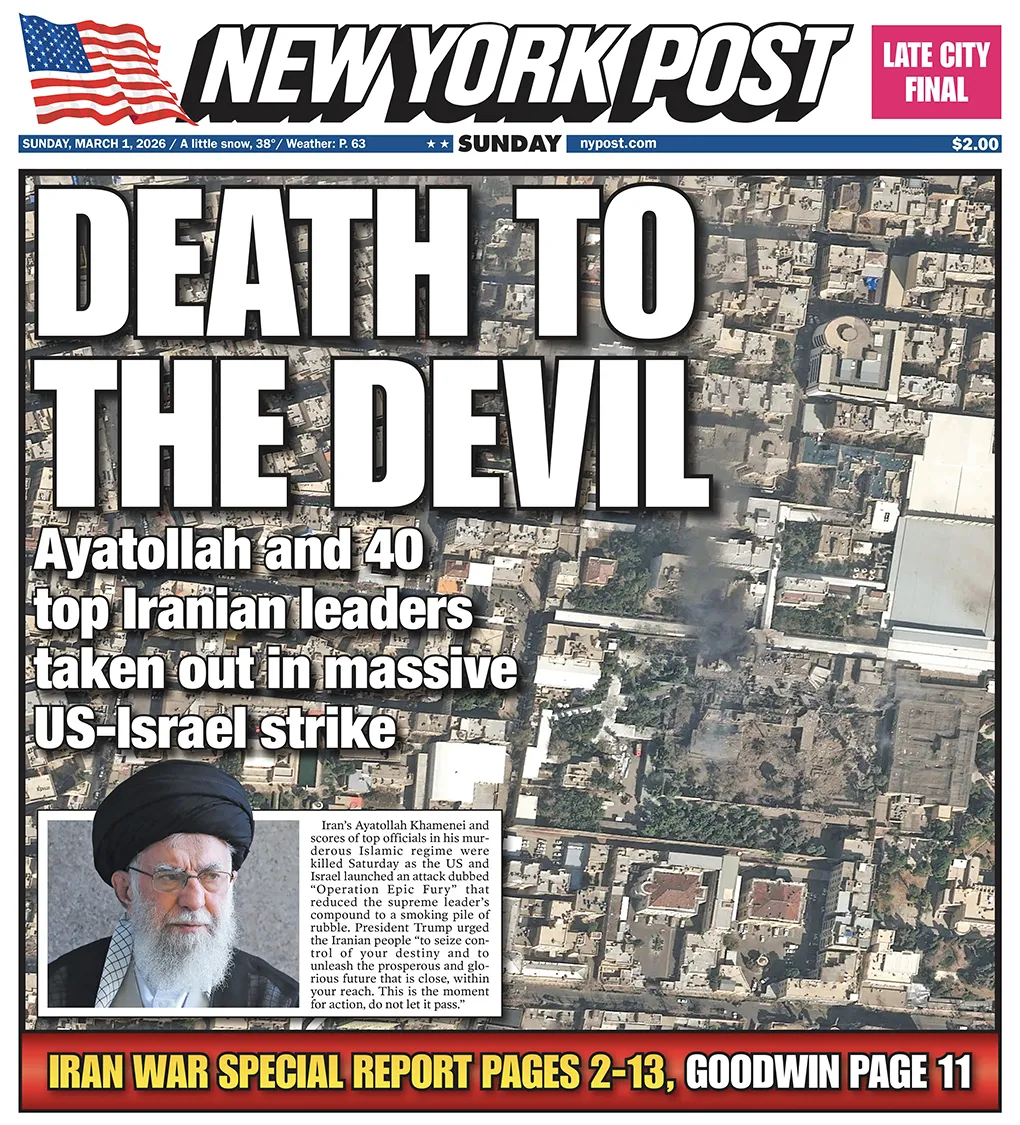
Why Gold Stopped Moving When Trump Backed Off an Iran Strike
Gold prices held steady on August 3, 2026, after President Trump decided not to launch a military strike against Iran. That decision pushed oil prices down and calmed fears about rising inflation — the general increase in prices that erodes what your money can buy. Those inflation fears had been leading traders to bet that the Federal Reserve (the U.S. central bank) would raise interest rates. Reuters reported the move on August 4, noting that oil prices had jumped more than 20% in the prior month after fighting between the U.S. and Iran resumed and attacks targeted several tankers around Oman.
Here is why this matters for gold. When people worry about war or economic instability, they often buy gold because it tends to hold its value — that's called "safe-haven" demand. But higher oil prices can also mean higher inflation, which makes the dollar stronger and pushes interest-rate expectations up. That combination can actually weigh on gold prices, even during a crisis. When tensions ease, the reverse happens: oil falls, inflation worries shrink, and traders expect lower interest rates, which helps gold — even though fewer people are buying it as a safe haven.
Bloomberg reported on August 3 that gold advanced as the prospect of an interim deal to reopen the Strait of Hormuz — a narrow shipping lane that carries a large share of the world's oil — eased inflation concerns, prompting traders to scale back bets on interest-rate increases. A day earlier, Bloomberg noted gold had fluctuated as traders weighed the Federal Reserve's interest-rate path after cooling Middle East tensions alleviated energy-driven inflation worries.
This is the latest shift in a volatile year for gold. On March 6, spot gold was up 1.4% at $5,149.14 per ounce, driven by Middle East conflict, though it finished that week down 2.4%. Two days earlier, on March 3, spot gold had fallen 3.6% to $5,137.00, with U.S. gold futures settling 3.5% lower at $5,123.70. By March 31, spot gold had dropped to $4,652.31, up 3.2% on the day but marking its worst month in more than 17 years as hopes for U.S. rate cuts faded. U.S. gold futures settled 2.7% higher at $4,678.60 that session.
The pattern repeated through the spring. On May 19, Bloomberg reported gold advanced as optimism around U.S.-Iran efforts to end the conflict eased bets on higher-for-longer rates. On May 25, bullion reversed, slipping as much as 1.9% as military strikes in the Persian Gulf dimmed peace-deal hopes and the dollar climbed. Three days later, on May 28, gold rose after reports that Iran and the U.S. had reached a tentative deal to extend a ceasefire and work toward ending the conflict.
By June 12, spot gold was at $4,227.17, up 0.3% on the day but down 2.3% for the week, weighed by inflation and rate-hike fears.
For context, gold's rise predates the 2026 Middle East flare-up. On August 4, 2025, spot gold rose 0.3% to $3,372.15 per ounce, its highest level since July 24, on U.S. rate-cut expectations. The roughly $1,800-per-ounce gain from that August 2025 level to the March 2026 peak near $5,149 reflects the cumulative impact of geopolitical risk, central-bank accumulation, and the evolving rate path.
The broader context here is that gold sits at a crossroads. Trump's decision to hold off the Iran strike has removed the immediate escalation premium from oil, and the prospect of a Strait of Hormuz interim deal directly attacks the channel through which energy prices feed into inflation, which had been tightening financial conditions. If the Strait reopens and tanker attacks cease, falling oil prices could give the Fed room to pause or change course on rates, which would be supportive for gold despite the loss of the geopolitical bid.
The risk cuts both ways, though. The tentative ceasefire between the U.S. and Iran has broken down before. Military strikes in the Persian Gulf on May 25 wiped out gains built on peace-deal optimism in a single session. Traders are pricing in de-escalation, but that position depends on a ceasefire that has proven fragile. Gold's stability on August 3, rather than a sharp move up or down, suggests the market is weighing both the benefit of lower oil prices and the possibility that the current calm does not last.