Your Boat's Steering Wheel Is Getting the Same Phone Features as Your Car
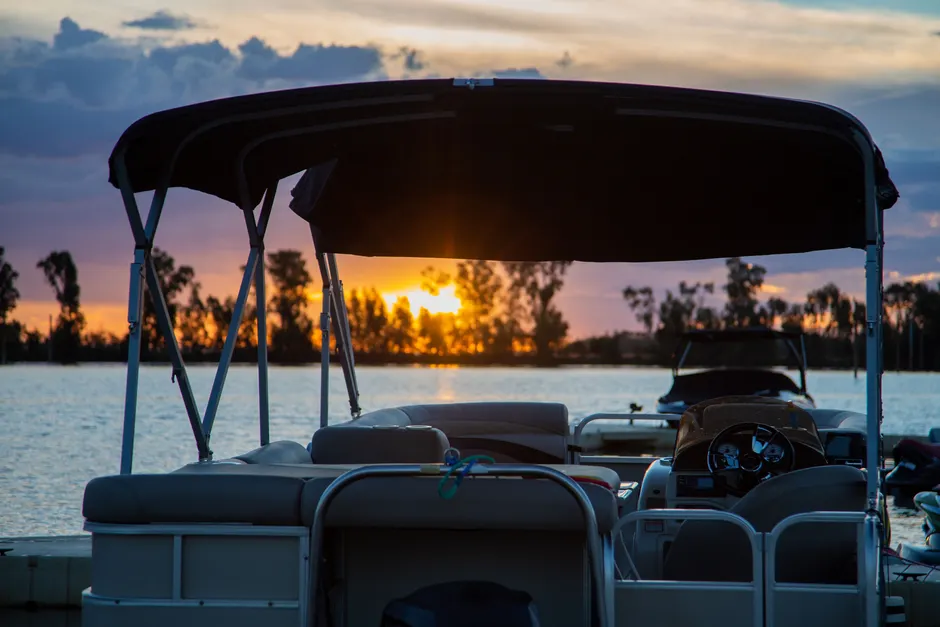
MasterCraft Boat Holdings is bringing Apple CarPlay and Android Auto to select pontoon boats, making it the first boat maker to build the two smartphone platforms directly into a boat's dashboard. New pontoon models from MasterCraft's brands Crest and Balise will launch with CarPlay and Android Auto support starting in September 2026. A press release distributed on Business Wire on August 4, 2026, announced the partnership between Crest Marine, Balise Pontoons, and marine navigation provider Savvy Navvy under the headline "CarPlay Arrives at the Helm." Engadget
CarPlay and Android Auto let you mirror your phone's apps onto a larger screen built into a vehicle's dashboard. You may already use them in your car. Now they are coming to boats. The integration runs on Savvy Navvy's newly released CarPlay and Android Auto apps, available for iOS and Android. Savvy Navvy, whose CEO is Jelte Liebrand, supplies the navigation software. The app includes Savvy Charts with 2D and 3D views, smart routing, search for points of interest such as marinas, harbours and anchorages, a navigation mode with live ETA, nearby boat traffic display, and live location sharing. Engadget
The steering-station screens on all new Balise models and Crest's Conquest and Caribbean models are compatible with CarPlay and Android Auto, with Savvy Navvy set as the default navigation app. Crest and Balise are the first brands to include the Savvy Navvy app as standard equipment, on their 2027 model-year pontoons. Customers who purchase the boats receive access to Savvy Navvy Premium, which unlocks additional features beyond the standard app. Engadget
The Savvy Navvy app is not limited to screens that come from the factory. It works on any compatible display, including aftermarket marine screens that owners can add to boats they already own. That means boaters with existing hardware can run the same navigation software without buying a new vessel. Engadget
CarPlay and Android Auto have been standard in cars and trucks for years, where they serve as the go-between for a driver's phone and the vehicle's built-in screen. What is different here is the hardware environment. Car dashboards have settled on common screen sizes and input methods over a long period. Boat dashboards have no such standard. Pontoon boats are a particularly varied category, with screen setups differing widely by manufacturer, model, and trim level. Bringing a phone-projection system to that environment means the screen maker and the app provider are doing integration work that the broader marine industry has not previously standardized.
Rather than MasterCraft building its own navigation app from scratch, the company outsourced the software to Savvy Navvy, a specialist. That is the same choice carmakers made when they let Apple and Google handle the dashboard interface instead of maintaining their own systems. The difference is that in the marine case, the navigation app itself sits between the phone and the chart data, providing boat-specific features like nearby boat traffic and anchorage search that CarPlay and Android Auto do not offer on their own.
The inclusion of Savvy Charts with 2D and 3D views suggests the app is designed to replace a dedicated marine navigation device, not just act as a second screen. Those devices, called chartplotters, display navigational maps and GPS position and are made by companies like Garmin, Raymarine, and Simrad. If the app's rendering quality and chart coverage hold up in real-world conditions, Savvy Navvy becomes a software-only competitor to those established hardware makers. The live location sharing feature is also notable; it mirrors something common in everyday phone maps but rare in dedicated marine navigation hardware.
Bundling Savvy Navvy Premium with the boat purchase reduces friction at the point of sale. Instead of asking buyers to evaluate and subscribe to a navigation service separately, the cost is folded into the boat's price. Whether that model continues beyond the initial purchase period, and what the renewal costs look like for Savvy Navvy, are open questions that the announcement does not address.
The broader context here is one of convergence. Phone-projection platforms were designed for cars, but their value proposition — a familiar interface with your own data and preferences shown on a larger screen — works just as well on a boat with a dashboard and a screen. Pontoon boats are a sensible place to start: they are recreational, often well-equipped, and used in settings where everyday navigation can genuinely help with finding fuel docks, marinas, and anchorages. The open question is whether this approach extends to larger, more demanding vessels, or whether it stays a convenience for the recreational category.
For now, Crest and Balise buyers in September 2026 will be the first to get phone projection at the helm straight from the factory.


