Google Is Replacing Google Assistant With Gemini on Your Phone — Here's What That Means
Google has begun telling users that it will remove Google Assistant from Android phones and tablets starting September 4, 2026. The removal will take up to a few weeks to reach all affected devices (The Verge). Once access is removed, users will no longer be able to use or switch back to Google Assistant on their phone, tablet, or paired devices. The notification came via an email sent to some users.
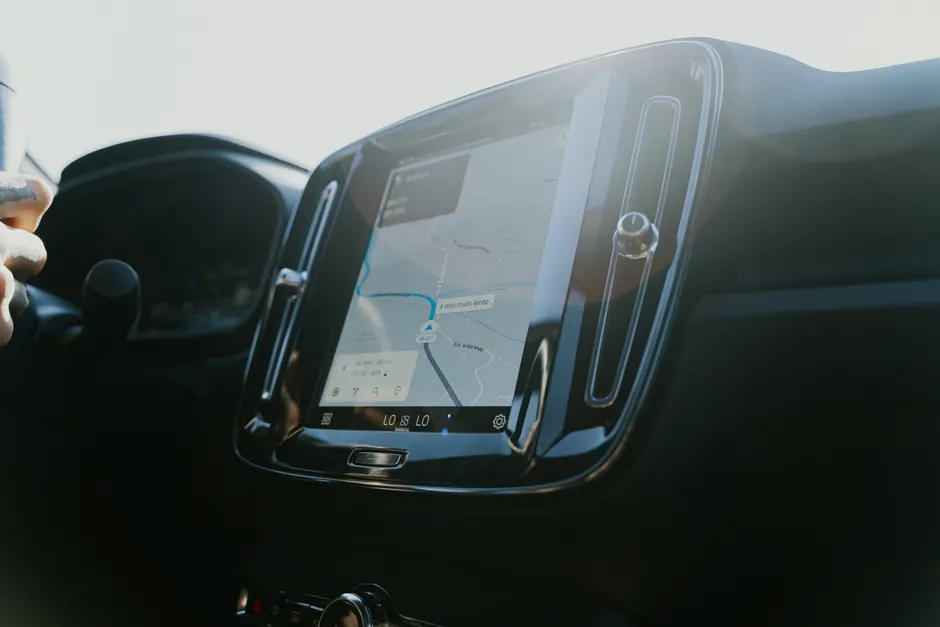
The removal extends beyond phones and tablets. Smartwatches that pair with your phone, headphones, earbuds, and cars using Android Auto — a system that lets your phone's apps show up on your car's screen — will also lose Google Assistant access. Cars that have Google software built directly into them will keep Google Assistant for now. Google Home and Google TV devices are unaffected by this announcement.
For users in regions where Gemini is available and whose devices meet minimum requirements, Gemini will be the only assistant available after the removal. Gemini is Google's newer, AI-powered assistant. Google described the change in a March 2025 blog post titled "The Assistant experience on mobile is upgrading to Gemini," saying it offers "a new kind of help only possible with the power of AI" (blog.google).
This shutdown has been delayed before. Google previously planned to end Google Assistant on most mobile devices in 2025 but pushed it back. A Google support document that appeared in November 2025 indicated that Google Assistant would remain available on Android Auto until March 2026 (9to5Google). The September 2026 announcement now replaces that earlier timeline for Android Auto, bringing it into the same removal window as phones and tablets.
The scope of the shutdown matters for companies that make devices, not just everyday users. Smartwatch makers, headphone manufacturers, and car companies all built features that work with Google Assistant. The shift to Gemini means those companies will need to update their products, and not all device types are moving at the same pace. Cars with Google software built in keeping Assistant while Android Auto loses it creates a confusing split: a car with embedded Google software keeps the old assistant, while a phone projecting into the same car's screen via Android Auto does not.
For users, the transition is one-way. Google's email makes clear that once Assistant access is removed, switching back is not an option. People whose devices do not meet Gemini's minimum requirements, or who live in regions where Gemini is not available, face an open question about what assistant capability remains. Google's announcement does not address those situations explicitly.
The broader context here is that Google is betting everything on Gemini rather than keeping both assistants running. The few-week rollout gives Google some operational room, but the end result is simple: Assistant goes away, and Gemini is what replaces it where supported. Google Assistant launched in 2016 and became the default voice helper across Android phones, watches, cars, and smart home devices. A decade of development is being set aside in favor of a single, newer replacement.
What remains unaddressed is what happens to Google Assistant on Google Home and Google TV, which are excluded from this shutdown. Whether those platforms eventually switch to Gemini on a separate timeline, or whether Assistant stays as a separate system for home devices, is not detailed in Google's announcement. The fact that cars with built-in Google software keep Assistant suggests a similar possibility for automotive platforms that do not depend on a paired phone.
For companies currently building products that rely on Google Assistant on mobile and wearable platforms, the message is clear: the time to switch to Gemini is now limited. The September 4 start date and the few-week rollout mean that by roughly October 2026, Google Assistant will be gone from the Android phone ecosystem and its connected devices.
In my view, if you have used Google Assistant for years — to set alarms, send texts, control music, or navigate in the car — this is worth paying attention to. Google is asking everyone to trust that Gemini can do all of that and more. Whether Gemini handles those quick, hands-free tasks as smoothly as Assistant did will determine how people feel about this change in practice.