Stock Market Hits Record High on Hopes for a Key Shipping Lane — But Not Everything Went Up
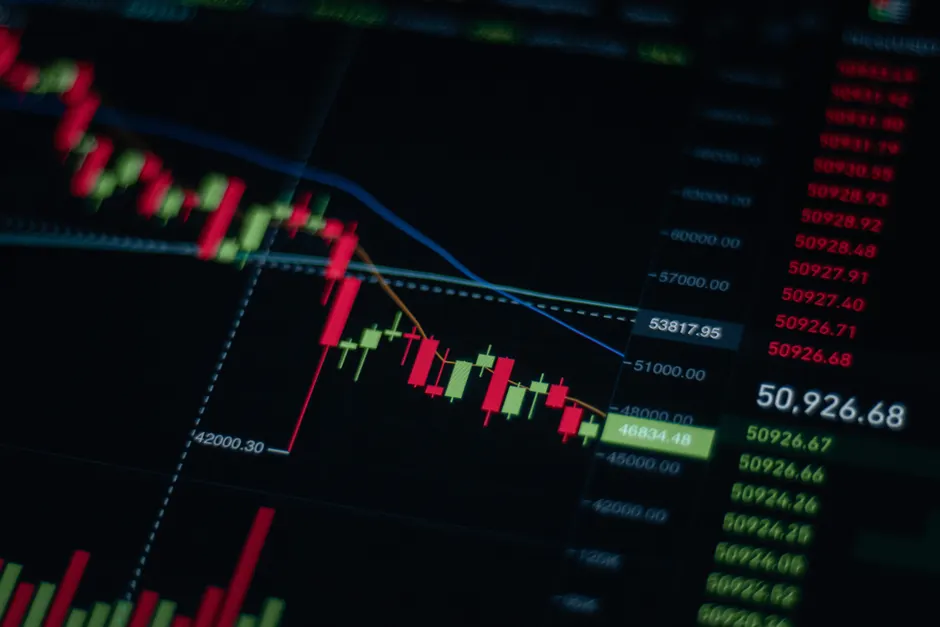
On August 5, 2026, the S&P 500 — a widely followed stock market index that tracks 500 large U.S. companies — closed above 7,700 for the first time, finishing at 7,742.05. That was a tiny gain of just 5.53 points, or 0.07%. The Dow Jones Industrial Average, another major index covering 30 large companies, rose 0.83% and also set a record. But the Nasdaq Composite, which leans heavily toward technology companies, fell 0.49%, losing 129.56 points to close at 26,455.43. (Reuters)
The reason for the split? A single piece of news about a shipping lane. Negotiators from Iran and Oman had finalized a draft agreement to reopen the Strait of Hormuz, a narrow waterway between Iran and Oman through which a large share of the world's oil travels by sea. The deal was awaiting final approval from Iran's supreme leader, Audacy reported. President Donald Trump said a deal could come as early as Wednesday or Thursday. Washington had been working toward an interim agreement among the US, Iran, and Oman to be announced mid-week.
This is not the first time the strait has reopened during the current conflict. Iran confirmed a two-week ceasefire and a limited reopening on April 7, 2026, per Maritime Executive via the Congressional Research Service. Tehran then announced a full reopening to commercial vessels on April 17, Wafa reported. Those measures were temporary. The new draft agreement would presumably extend or formalize the reopening beyond the earlier truce period, though the specific terms are not public.
The U.S. military has also been preparing. Secretary of War Pete Hegseth announced "Project Freedom" in a May 5 briefing at the Department of War, a plan to escort thousands of commercial ships safely through the strait. A report from the Congressional Research Service (CRS R48903) noted that the strait matters for more than oil — container shipping and liquefied natural gas also pass through it.
Looking at specific sectors tells a more complicated story. The technology sector fell 0.57% and the energy sector fell 1.50%, per Reuters Markets. Energy stocks declined because investors had been paying extra for oil-related shares, betting that supply disruptions would push prices up. If the strait reopens, that fear goes away, and those shares lose their extra value. Tech fell largely because of drops in SpaceX shares, along with broader concerns that tech stock prices had gotten too high. Gold prices rose the same day, per Reuters global markets coverage, which is notable because gold often rises when investors feel uncertain, even on a day when stocks broadly went up.
In my view, the details behind the record close matter more than the headline. A 0.83% gain in the Dow driven by a geopolitical headline is a reaction to news, not a reflection of improved company profits. The S&P 500's 0.07% gain is so small that calling it a "record" hides how thin the move really was. The Nasdaq's drop, pulled down by just two companies, shows that investors were being choosy, not broadly confident. For anyone managing money, the key question is whether a Hormuz reopening actually changes the long-term profit picture, or whether it just temporarily reduces fear that will return the moment the next bad headline hits. The draft deal is not signed yet. Until it is, the market is reacting to a possibility, not a fact.
Here is what is solid and what is uncertain. What is known: a draft deal exists, negotiators have finalized it, and it awaits one signature. What investors have already factored into prices: a return to normal shipping through Hormuz, a partial reduction in the extra value placed on energy stocks due to geopolitical risk, and enough easing of tensions to push the Dow and S&P 500 to records. What is not known: whether the supreme leader approves, what enforcement rules the deal includes, and whether U.S. military escorts would work alongside or instead of Iranian guarantees. The gap between what investors have priced in and what is actually signed is where the risk sits.
The broader context here is about how long this lasts. The April reopening was explicitly temporary, tied to a truce. If this agreement follows the same pattern, the stock market boost may be just as short-lived. The fact that gold rose on the same day suggests some investors are already preparing for that possibility.


