Viture's New Smartglasses Are Lighter, Cheaper, and Brighter
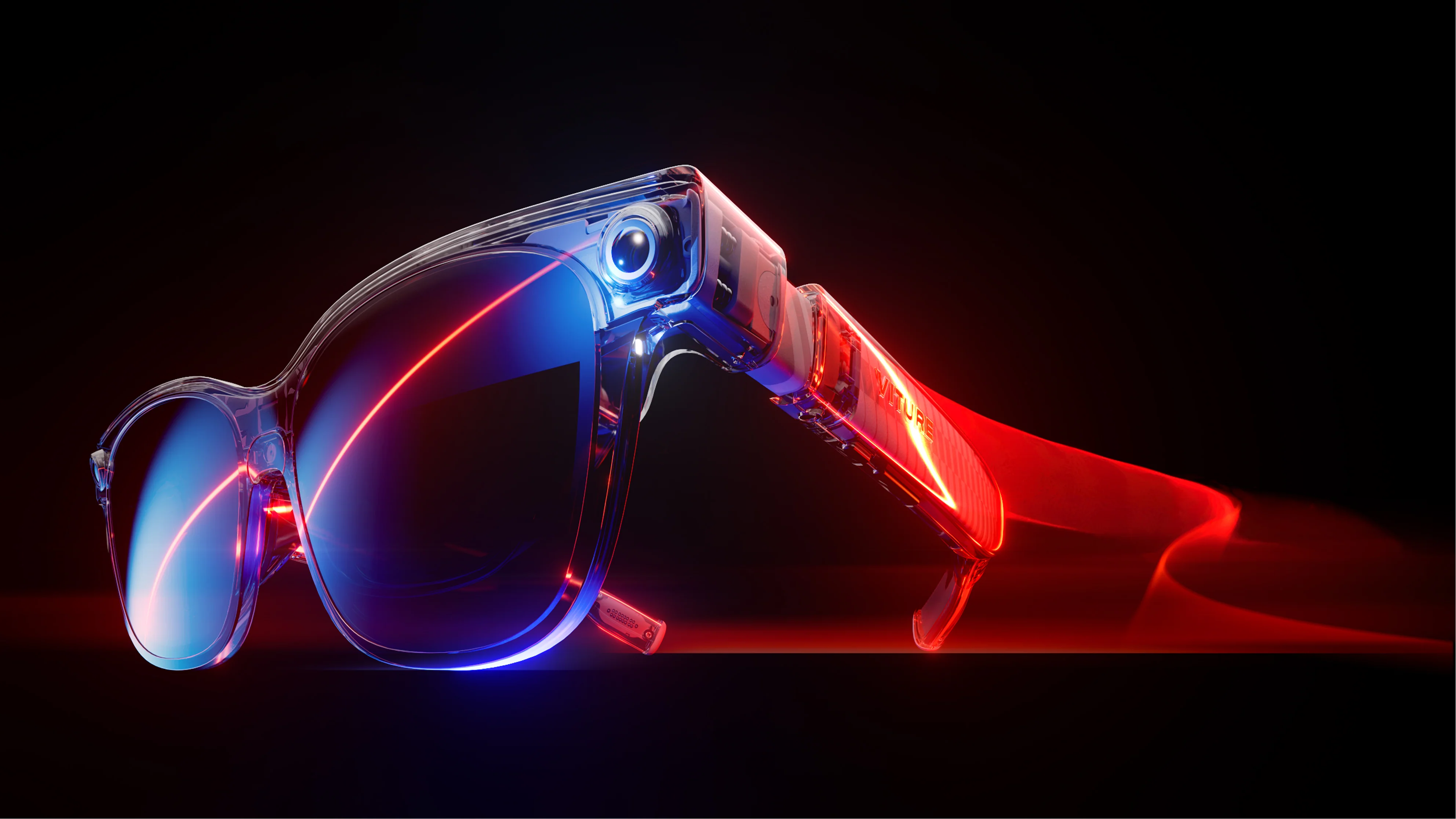
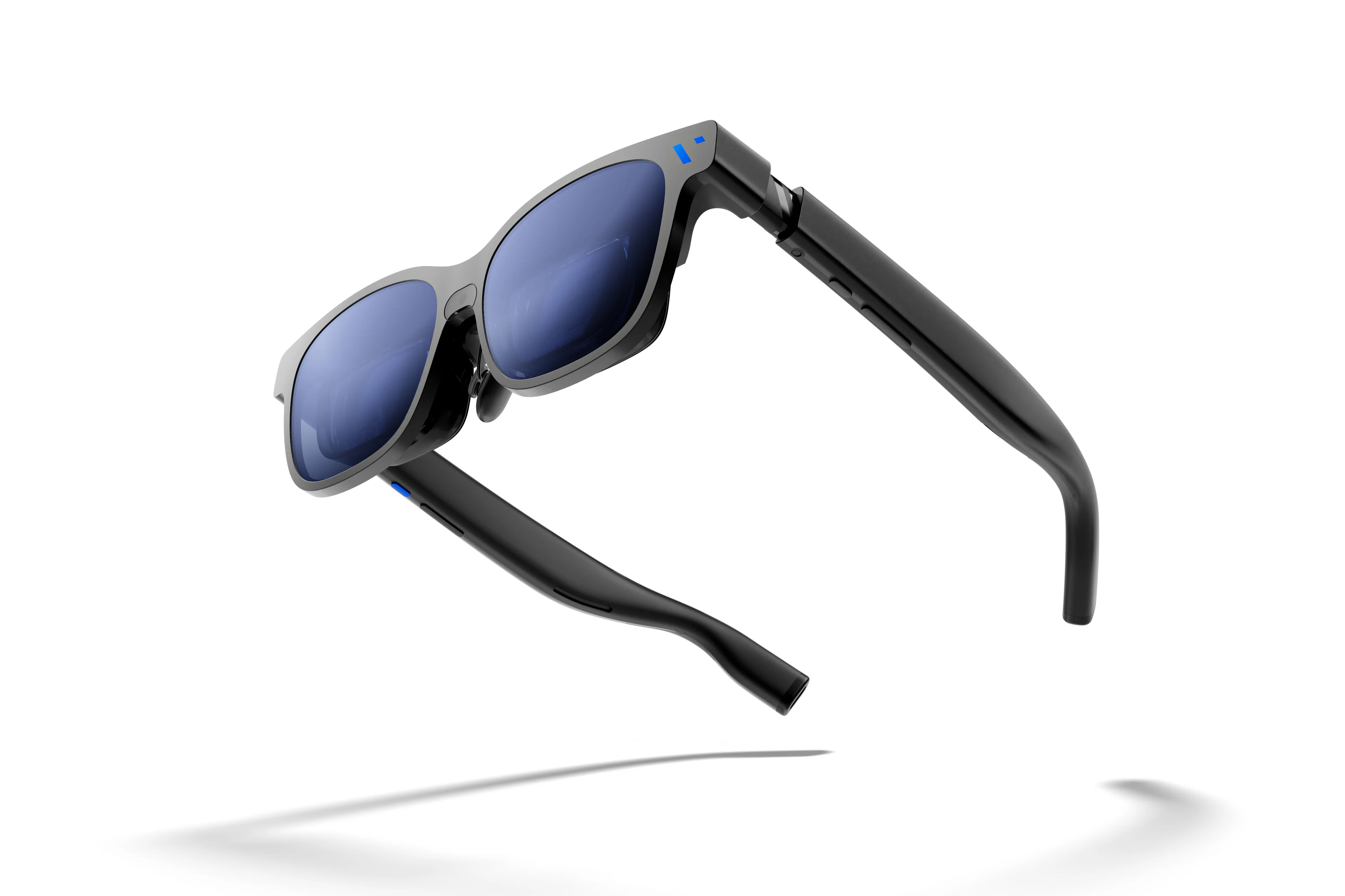
Viture announced the Pro 2 smartglasses on August 6, 2026, the company's fifth anniversary. The device is Viture's lightest and thinnest to date, with pricing starting at $299. Engadget
The Pro 2 weighs 63 grams, a 20 percent drop from the original Viture Pro, and is 16 percent thinner. The glasses use what are called birdbath optics, which is a system of mirrors inside the frame that bounces an image from a small screen into your eyes. This approach is cheaper and produces a good picture, but it requires a wired USB-C connection to a phone or laptop. You cannot use the glasses on their own without something plugged in.
Sony micro-OLED screens provide the display, delivering 1920 x 1080 per eye at a 120Hz refresh rate, which means the image updates 120 times per second for smooth motion. Viture has tuned the color accuracy compared with earlier models. Peak brightness reaches 1,600 nits, a level bright enough for outdoor or well-lit indoor use where previous versions struggled. The field of view, the amount of space the image takes up in front of your eyes, widens from 46 degrees to 50 degrees.
A built-in diopter lets you adjust each lens individually from 0 to -5.00D. In plain terms, if you are short-sighted, you can dial in your prescription directly on the glasses, no separate lens inserts needed. That removes a hassle that has bothered smartglasses users since the category began.
Alongside the Pro 2, Viture announced the Mobile Dock Mini at $99. The dock weighs about 250 grams, making it 34 percent smaller and 30 percent lighter than the previous version. It holds a 10,000mAh battery and works with the Nintendo Switch 2, with a magnetic adapter that pops off and works as a standalone hub. The older Pro Mobile Dock was updated before the Switch 2 launch to enable what Viture called the world's first Switch 2 XR gaming experience, and the Mini brings that feature in a more portable size. Viture
The company's earlier VITURE One XR glasses displayed content on a 120-inch virtual screen when connected to a phone, laptop, or gaming console. The Pro 2 keeps that approach. Viture's product blog has highlighted the comfort and versatility of its AR lineup, including praise for sharp picture quality and smooth refresh rates across devices.
Viture raised $100 million across two funding rounds in September 2025. That money has evidently gone into refining the Pro 2's display quality and physical design rather than changing the underlying optics technology. The Pro Mobile Dock line is positioned as the only device that can take any HDMI or USB-C source and make it shareable in XR, a claim based on the dock's wide input compatibility.
The broader context here is that these tethered smartglasses sit on a specific rung of the AR ladder. They are not trying to compete with Meta's Ray-Ban smart glasses, which focus on taking photos and ambient computing, nor with fully standalone AR headsets that are still in early commercialization. The Pro 2 is for someone who wants a high-quality private screen for gaming, media, or work, with a phone or laptop doing the heavy processing.
At 63 grams and $299, the Pro 2 costs less than many portable monitors while offering something quite different: a virtual screen mounted on your face, adjusted to your prescription, bright enough for most environments. Whether the birdbath optics approach has a long-term future as newer technology gets cheaper is a fair question. For now, this format delivers image quality and affordability that the newer designs have not matched.
Viture has not solved the category's core limitations. The wired connection is still a tether. Battery life depends entirely on the phone or laptop you plug into. But the Pro 2 narrows the gap between smartglasses as a niche accessory and smartglasses as a practical personal screen, and the $299 price puts that idea in front of more buyers than ever.