What Persimmon's Big Home-Building Bet Means for You
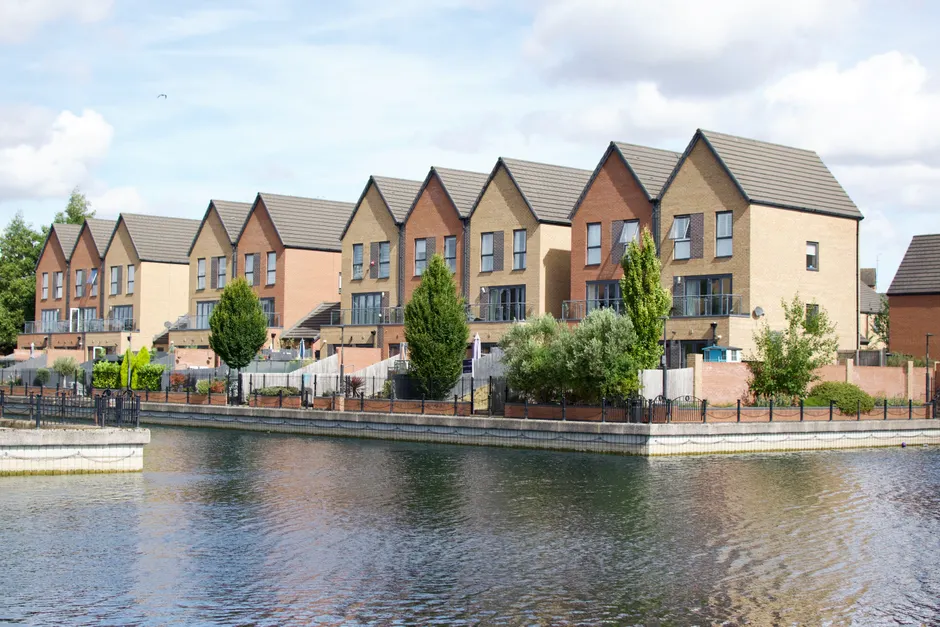
Persimmon, one of the UK's largest housebuilders, raised its target for the number of homes it plans to build this year to about 12,500. That is the top end of the range the company had previously set for itself, between 12,000 and 12,500. The company said it is "well-placed" to benefit from Prime Minister Andy Burnham's housing plans, suggesting the political climate is working in its favour, even as costs rise (The Guardian).
The news came with Persimmon's half-year financial results. For the six months to 30 June 2026, the company made a profit of £168m before tax — up 15% from the same period last year. It sold 5,189 new homes, a 13% increase. Revenue for the half-year was £1.73bn. The company also announced a dividend (a payment to people who own shares in the company) of 20p per share, payable to shareholders on record by 15 October 2026 (Reuters).
This growth has been building for a while. In 2023, Persimmon built 9,922 homes. In 2024, that rose to 10,664, a 7% increase. In 2025, it built 11,905 homes, with an average sale price of £278,203 — up 4% from £268,499 the year before. Revenue for 2025 was £3.75bn, with a full-year profit of £397.3m.
The company's targets have been climbing too. In August 2025, Persimmon was aiming for about 12,000 completions in 2026. By March 2026, it raised that to a range of 12,000 to 12,500 (Reuters, March 2026). The August 6 update lands at the very top of that range.
Persimmon is not just hoping people will buy more homes. The company also listed a series of steps it is taking to cut costs: finding cheaper suppliers, changing home designs, reducing overheads, and making operations more efficient. These measures come as the builder faces rising costs for materials and labour, and expects even more cost pressure in 2027, partly because of the ongoing conflict in the Middle East and its effect on supply chains (the networks that move materials from where they are made to where they are needed).
On the same day, S&P Global published data showing that confidence across the UK construction sector went up last month. This broader trend supports what Persimmon is saying about its own outlook. The company titled its results presentation "Strong growth; strong platform," signalling that it believes conditions are stable enough to keep growing through 2026 and beyond.
The broader context here is about politics and housing. Persimmon is openly tying its plans to Prime Minister Burnham's housing programme. That could mean changes to planning rules to make it easier to get permission to build, government-backed buying of new homes, or financial help for homebuyers. Whether those policies actually arrive at the scale Persimmon is counting on is an open question, but the company is arranging its business as if they will.
There is a real risk to watch for in 2027. Management has warned that the Middle East conflict could push up the cost of building materials and disrupt supply chains. The cost-saving measures Persimmon has laid out are broad, but they will need to offset pressures that come from far outside the company's control. The 20p dividend suggests the board is comfortable with the company's cash position for now, but the push and pull between building more homes, protecting profit margins, and dealing with outside inflation will shape the next set of results.
What makes this outlook believable is the track record. Persimmon has grown its home completions from 9,922 in 2023 to a projected 12,500 in 2026 — a 26% increase over three years. Revenue and profit have climbed alongside. The company has raised its 2026 target three times, each time higher, and has met or beaten expectations in both 2024 and 2025. The open question is whether the cost-saving plan can absorb the 2027 inflation hit that management itself has warned about, or whether growth levels off under pressure that no amount of cost-cutting can fully fix.