The US Wants the Philippines to Send a Church Leader to Face Trial. Here's What's Going On.
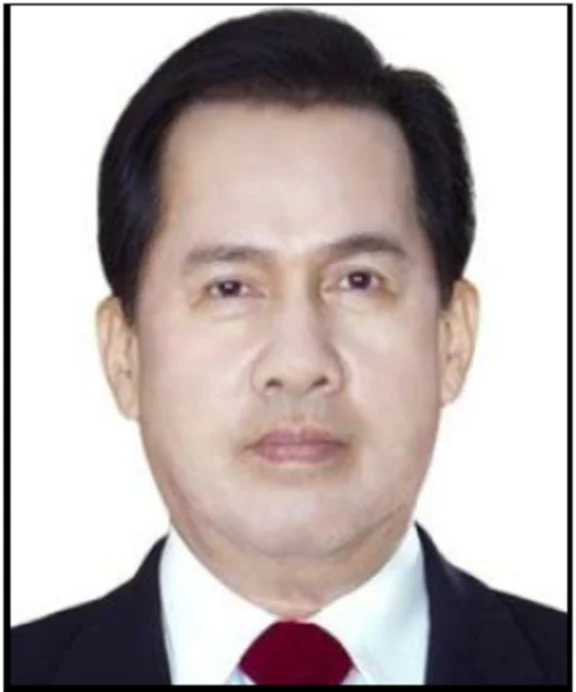
The United States has formally asked the Philippines to hand over Apollo Quiboloy, a 76-year-old church leader, so he can face trial on charges including child sex trafficking and fraud. Extradition is when one country asks another to send a person to face criminal charges. The Philippine government received the request on Thursday, August 6, 2026, and passed it to its justice department to handle. Al Jazeera Philippine News Agency
Quiboloy is already on the FBI's most wanted list. In 2021, a US federal grand jury charged him and eight others with serious crimes including sex trafficking of children, money laundering, and visa fraud. A grand jury is a group of citizens who decide whether there is enough evidence to bring criminal charges. US prosecutors said Quiboloy allegedly had sex with women and underage girls, threatening them with abuse and "eternal damnation" if they refused. Al Jazeera
Quiboloy founded the Kingdom of Jesus Christ church in 1985 in Davao, a city in the southern Philippines. He turned it into a large religious and political organization. He was also the spiritual adviser to former Philippine President Rodrigo Duterte during his presidency, which began in June 2016.
Quiboloy was arrested in the Philippines in 2024 on charges of child abuse, sexual abuse, and human trafficking. Right now, he is being tried in two Philippine courts. Before he can be sent to the US, both courts have to approve the transfer. There is a treaty between the US and the Philippines from 1994 that allows one country to temporarily send a suspect to the other for trial, even if the person's case at home is not finished yet. But this is not automatic. Each court has to agree. Al Jazeera
The situation is complicated because the Philippine courts have their own cases against Quiboloy. They have to decide whether to pause those cases so he can face trial in the US first, or finish the Philippine trials before sending him anywhere.
Politics adds another layer. In August 2025, a committee in the Philippine House of Representatives was asked to investigate the US extradition request. Inquirer That move suggests the case matters politically, not just legally. Because Quiboloy was close to Duterte, who is still a divisive figure in the Philippines, any step toward extradition will be watched closely. Duterte's allies and critics both have reasons to pay attention.
The current president, Ferdinand Marcos Jr., has taken a different approach to the US than Duterte did, including building stronger defense ties with Washington. How smoothly the extradition goes may depend on how his administration balances its treaty obligations, the independence of the courts, and the political influence Duterte still holds.
For US prosecutors, this request is the next step in a case that has been open since 2021. The charges are serious. But the real question is whether Philippine courts, which already have their own cases underway, will agree to send Quiboloy to the US before those cases are done. The treaty allows it. Whether it happens without significant friction will depend on the political climate.


