What's Going On with the US-Iran War and the Strait of Hormuz?

US President Donald Trump said on 7 August 2026 that he expects the war with Iran to end "pretty soon." Iran and Oman reported that an agreement to reopen the Strait of Hormuz is "on the verge of being finalised" Al Jazeera.
This follows several days of fast-moving diplomacy. On 5 August, Trump told reporters the US and Iran were having "very good discussions" about a possible deal Reuters. On 2 August, he said talks were happening and warned it was a "last chance" for Iran to sign a good deal to end the five-month war Reuters.
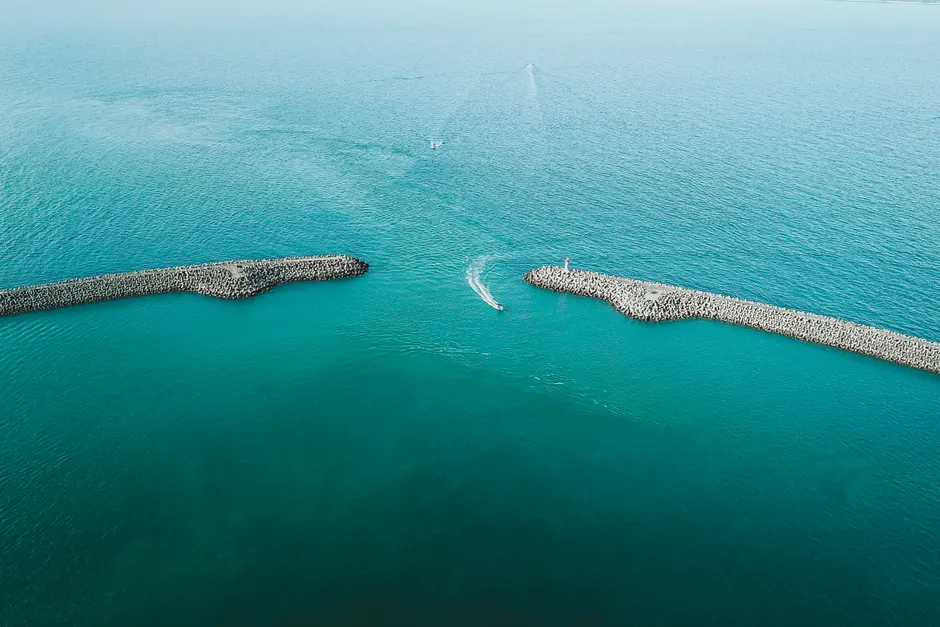
The Strait of Hormuz is a narrow strip of water between Iran and Oman. A large share of the world's oil passes through it on ships. The proposed deal focuses on creating new rules for commercial shipping through the strait, rather than fully reopening it, according to CBS News CBS News. Iran's deputy foreign minister said on 6 August that Iran and Oman were close to finishing a framework for commercial shipping through the strait CNN. Reuters reported on 5 August that the deal would give Iran control over ships entering the strait and help end the war Reuters.
A senior Gulf official said on 5 August there was a "50-50" chance Iran and Oman would reach a deal by Friday CNN. By 7 August, Tehran was saying the agreement was nearly done.
But Trump's optimism hides a tough choice. Reuters reported on 6 August that the president was caught between an emerging deal — negotiated by Iran and Oman, which would give Tehran control over the strait — and a war with no clear way out Reuters.
The broader context here is the core tension of this deal. It would address the narrow waterway at the heart of the conflict, but it does so by handing control of incoming ships to Iran — the country the US has been fighting for five months. Think of it like a toll road: instead of removing a barrier, the deal would install Iran as the tollbooth operator. For nearby Gulf countries and global energy markets, the difference between a deal that restores free passage and one that puts Iran in charge of who gets through is a big one.
Oman's role as the go-between makes sense given its history. The country has long stayed on speaking terms with Iran even when other Gulf nations cut contact. That makes Oman a natural broker for a deal that needs both Iran's agreement and Western approval.
Trump's language shifted quickly — from "last chance" on 2 August, to "very good discussions" on 5 August, to expecting the war to end "pretty soon" by 7 August. This suggests he is trying to speed up the timeline. The question is whether the deal being put together by Iran and Oman actually meets what Washington wants, or whether Trump is accepting weaker terms just to get out of a war he no longer thinks he can sustain.
The 50-50 estimate on 5 August and Tehran's more upbeat tone on 7 August could mean real progress. They could also mean each side is talking up the deal for its own reasons. Iran wants to signal that an agreement is close to discourage more US military action. Trump wants to frame any outcome as a win.
What we don't yet know is whether Washington has officially agreed to the terms Iran and Oman are putting together. Trump has spoken positively about the discussions. But the Reuters report on 6 August indicates he has not yet committed to an exit. The gap between "on the verge of being finalised" and a finished deal with US approval may still be where this process stalls.