Stocks, Oil, Gold, and Bonds: What Just Happened and Why It Matters for Your Money

Major stock indexes closed at record highs on Tuesday, August 4, 2026, thanks to strong forecasts from Caterpillar and other companies. Oil prices kept falling. Gold jumped 1.5% to settle at $4,152.60 (Reuters).
Brent crude — the main global oil price — was down more than 5% that same day, with the drop speeding up near the end of trading. A U.S. jobs report called the ADP employment report was due the next day, adding another clue about the job market for traders already adjusting their expectations for growth and inflation (Reuters).
By Wednesday, August 5, oil prices stopped falling so fast. Brent crude rose 9 cents, or 0.11%, to settle at $79.45 (Reuters). U.S. oil prices also eased as signs of progress in talks with Iran filtered through the market. Traders had been paying extra for oil because of fears that conflicts could disrupt supply — those fears were fading. For comparison, on July 20, U.S. crude had closed at $83.23 a barrel and Brent was down 0.7% (CNBC). That shows how far and how fast oil fell in about two weeks.
Treasury yields fell on August 5 as oil prices eased. Treasury yields are the interest rates the U.S. government pays to borrow money, and they matter because they influence borrowing costs across the economy. When oil gets cheaper, inflation expectations go down, and that pulls these yields lower. The ADP report, due the same day, would give the market a first look at how the job market is doing before the official government jobs report comes out later in the week (Reuters).
The bigger picture here is worth pausing on. Record-high stocks, oil dropping 5%-plus, gold above $4,150, and falling Treasury yields all happening at once is unusual. Think of it like a weather system where every instrument points the same direction: stocks are rising because companies like Caterpillar are optimistic about future business. Gold is climbing because falling inflation makes it more attractive, and some investors still want it as a safety net. Oil is dropping because Iran diplomacy is easing supply worries. And the Treasury market is signaling lower inflation ahead. Each piece makes sense on its own, but together they tell a specific story: markets are betting that growth holds up, inflation cools down, and Middle East tensions ease.
The tension for investors centers on the jobs data. If the ADP report shows stronger hiring than expected, the inflation-cooling story that supports both bonds and gold takes a hit, and stock prices look more expensive. If hiring comes in soft, the current setup continues. Oil falling from the mid-$80s to $79 over two weeks has already helped consumers by freeing up spending money and calming inflation fears. If oil keeps falling as Iran-deal news develops, that would push bond yields even lower.
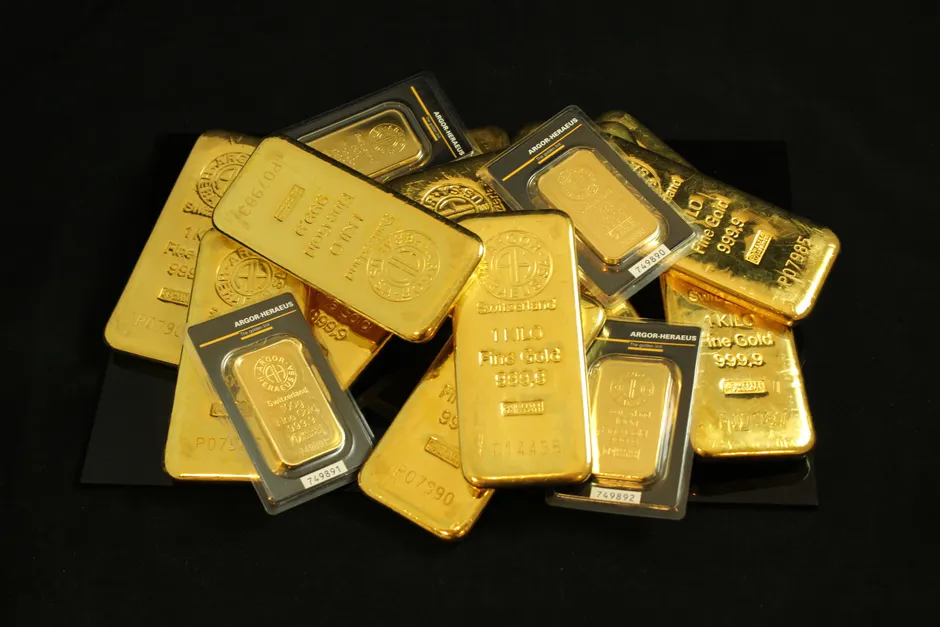
Gold settling at $4,152.60 deserves attention. A 1.5% daily gain on top of an already strong run means investors are buying gold for two reasons: falling inflation makes it more attractive, and some still want a safe place to park money. If Treasury yields keep falling alongside oil, gold becomes even more appealing because the alternative — earning interest on bonds — pays less. The risk is a surprising jobs report that sends yields back up.
One thing worth noting about the stock rally: it depends on corporate forecasts, not actual results yet. Caterpillar's outlook matters because the company is a bellwether — a company whose performance reflects the broader economy. Positive guidance there suggests construction and business spending remain healthy. But guidance is management's best guess about the future, not a delivered result, and the market is treating it as nearly certain.
For everyday savers and borrowers, falling Treasury yields eventually feed through to mortgage rates, car-loan rates, and savings account rates, though it takes time. If cheaper oil keeps inflation low through the upcoming jobs data, the refinancing window that opened recently gets wider. For investors with a mix of stocks and bonds, the fact that both are rising at the same time is unusual and worth watching, even if it feels good in the short run.