Why Houthi Missiles Are Hitting Yemen and Saudi Arabia Right Now
Iran-backed Houthi forces fired at least 12 new missile attacks on Yemeni areas on Friday, August 7, 2026. These strikes follow what are already the deadliest attacks in years of Yemen's civil war (Al Jazeera).
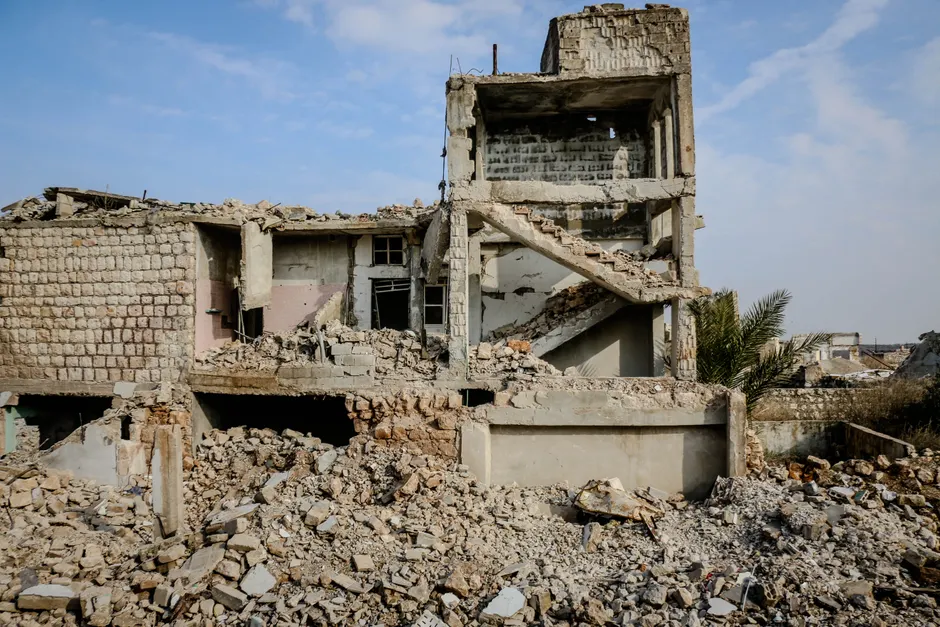
The attacks started Thursday afternoon. At 2pm local time (11:00 GMT), eight missiles fired from al-Jawf governorate hit military camps belonging to the Homeland Shield Forces, the Emergency Forces, and the First Military Region in Hadramout, according to Al Jazeera's Yemen affairs editor Ahmed al-Shalafi. The missiles hit al-Thiniya and al-Abr in Hadramout and al-Rouk in Marib. Yemeni government sources told Al Jazeera that at least 30 government soldiers were killed and 15 injured. The First Emergency Division Command said casualties were high because troops had gathered for a morning training exercise. The Houthis claimed a higher toll of 45 killed in their August 6 attacks, asserting that military camps, weapons depots, and vehicles were destroyed (Al Jazeera; Reuters).
On Friday, Yemen's State TV reported that government air defences shot down several Houthi drones above Marib. But the missile attacks continued through the day, with at least 12 more strikes hitting Hadramout and Marib.
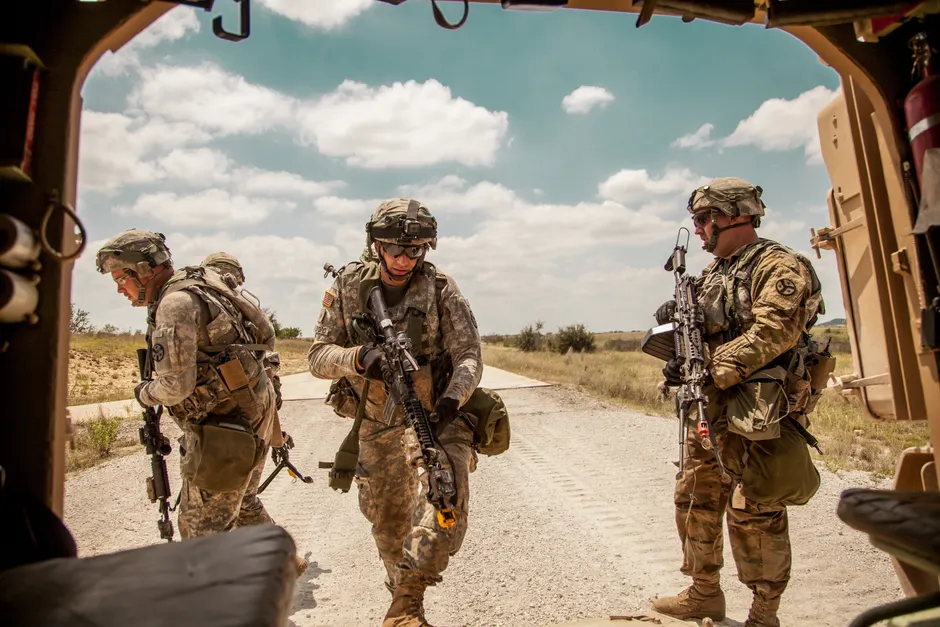
The forces that were hit were created with Saudi Arabia's backing. The Homeland Shield Forces were formed in 2022 with Saudi support and include tens of thousands of troops, guarding the border between Marib and Hadramout and the Saudi frontier. The Emergency Forces were created by presidential decree in late 2025 under Saudi-led coalition supervision to secure land borders and front lines against the Houthis in al-Jawf and Hadramout. The Houthis managed to strike these forces in their own base areas, which suggests their ability to gather intelligence and pinpoint targets has grown since a 2022 truce (a truce is an agreement to pause fighting).
The attacks also reached Saudi territory. A senior Saudi official said a Houthi attack on southern Saudi Arabia on Thursday wounded 11 civilians, including a young child. This followed a Houthi claim on August 4 that they had struck a target at Saudi Arabia's Najran Airport (Reuters). Two days later, a Saudi official told CNN that Saudi Arabia was bracing for "multiple coordinated attacks" by Iraqi militia factions and Iran-backed Houthis (CNN).
A senior Saudi official, speaking anonymously to Reuters, offered a more specific assessment: intelligence suggests the Houthis and Iraqi armed groups may launch new attacks under the supervision of Iran's Islamic Revolutionary Guard Corps (IRGC), a branch of Iran's military that operates abroad and oversees allied armed groups. Potential targets include energy infrastructure, ports, and airports. Houthi military spokesman Yahya Saree warned airlines against flying through Saudi airspace in a video statement on Telegram, and the Houthis threatened Saudi Arabia's airports and vital assets should Riyadh escalate further. Saudi Arabia condemned what it described as a Houthi naval blockade, warning it could impact oil flow to countries that buy Saudi oil (Al Jazeera).
That maritime threat is not abstract. On August 5, the Houthis said they struck two Saudi oil tankers in the northern Red Sea. Saree separately claimed the Houthis had targeted a second Saudi oil tanker, called "Daisy," in the Gulf of Aden with a ballistic missile the same day (New York Times; Reuters).
The escalation has a logic of its own. In late July 2026, Yemeni sources told The Guardian that Saudi Arabia was preparing a major military offensive against the Houthis by sea and possibly by land in central Yemen (The Guardian). Houthi officials stated that they believe the Yemeni government is coordinating with Saudi Arabia for a potential ground offensive against Houthi positions. Saree said the August 6 attack followed "military build-ups" by Saudi-backed government forces "aimed at escalating the conflict." According to Houthi officials, their missile and drone attacks will continue against what they called Saudi allies, or proxies, over Yemeni land, referring to the internationally recognised Yemeni government.
The broader context here is a regional conflict that reignited when the United States and Israel launched a war against Iran at the end of February. These Houthi strikes, described as the deadliest in years, are a major escalation within that wider conflict. The Houthis seized the capital Sanaa in 2014 and have survived a Saudi-led Arab coalition campaign that ran from 2015 until a 2022 truce. They remain in control of Sanaa and other parts of Yemen. Since the war began, hundreds of thousands of people have been killed.
Several things are worth watching. The first is whether the IRGC-coordinated multi-front threat materializes. Saudi intelligence has identified specific categories of infrastructure as potential targets, and the Houthi strikes on Saudi oil tankers suggest the maritime dimension is already active. The second is whether Saudi Arabia proceeds with the offensive reported in late July. Riyadh has invested heavily in the Homeland Shield Forces and Emergency Forces as buffer units; the fact that the Houthis struck them in their own base areas will shape calculations about whether a ground offensive can succeed without exposing those same forces to further missile attacks. The third is the Red Sea shipping route. A Houthi naval blockade against Saudi shipping, if sustained, would affect not just Saudi oil exports but the insurance and freight costs for all traffic through the Bab el-Mandeb chokepoint, a narrow strait connecting the Red Sea to the Gulf of Aden through which a large share of global trade passes.
The 2022 truce, never formally renewed, has now fully collapsed. What replaces it is not a ceasefire but an active confrontation on multiple fronts, in which the Houthis appear to be acting both defensively against a reported Saudi-led offensive and offensively as part of a broader Iranian-aligned campaign against Saudi infrastructure.