Yemen's Civil War Could Be Starting Again — Here's What's Happening
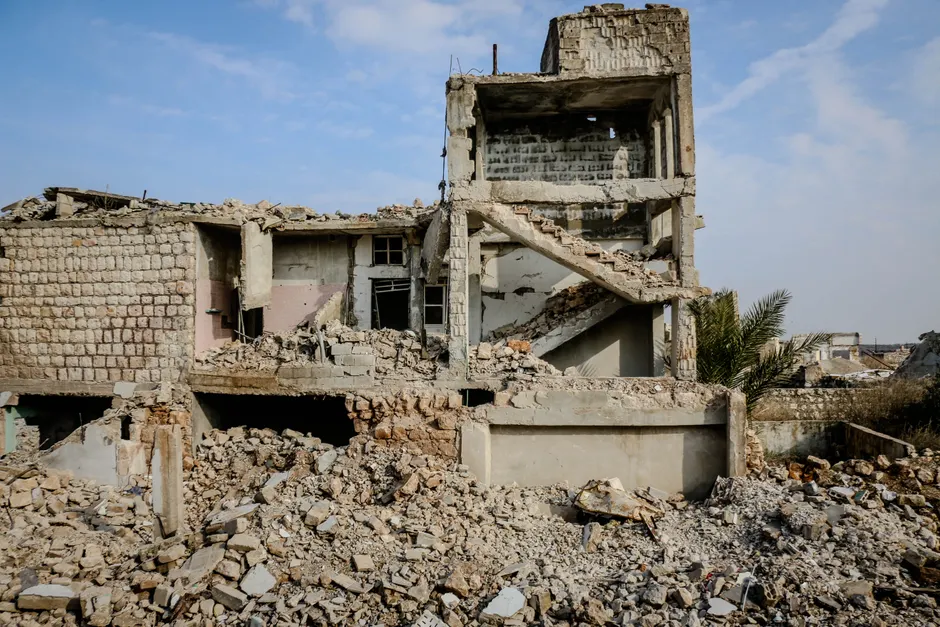
On August 7, 2026, Houthi missiles and drones hit military camps in two parts of Yemen — Hadramout and Marib provinces — killing at least 30 government soldiers and wounding 15 more, according to Reuters. This was the first big Houthi attack on government forces inside Yemen in years (Al Jazeera).
The Houthis are an armed group that controls much of northwestern Yemen, including the capital city, Sanaa. Yemen's internationally recognized government is the official leadership that most countries and the United Nations consider the legitimate ruler of the country. The two sides have been fighting since 2014.
A Houthi military spokesperson named Yahya Saree said in a broadcast that the attacks killed "hundreds" and "destroyed a large number of camps and depots" (Al Jazeera). Saree said the Houthis launched the strikes because they detected Saudi Arabia moving its military forces in preparation for an attack (Al Jazeera). The numbers reported by people on the ground and the numbers claimed by the Houthis are very different.
Here is the background you need: the Houthis seized the capital, Sanaa, in September 2014, and Yemen's government has been fighting them ever since. In March 2015, a group of countries led by Saudi Arabia joined the war on the government's side. The fighting mostly stopped in April 2022, when both sides agreed to a truce — a deal to pause the violence — with help from the United Nations (Al Jazeera).
The August 7 attacks did not come out of nowhere. They are part of a string of recent escalations. On July 4, 2026, government and Houthi forces clashed directly in Hodeidah governorate (Security Council Report). On August 3, government forces fought off a Houthi attempt to sneak into southeastern Taiz, destroying a militia vehicle with artillery fire (Saba News).
In July 2026, the Houthis fired missiles at Saudi Arabia, accusing the kingdom of bombing an airport under Houthi control. That broke years of calm along the border (Reuters). Later that month, the Houthis announced a naval blockade on Saudi ports. A blockade is an attempt to stop ships from entering or leaving — think of it as a wall at sea. They also said they would attack ships in the Bab al-Mandeb Strait, a narrow stretch of water between the Red Sea and the Gulf of Aden that is one of the busiest shipping routes in the world (Al Jazeera). The Saudi-led coalition said it would respond with force (Reuters).
The Houthis also stepped up attacks at sea. On July 28, Saree announced a missile strike on the Saudi oil tanker NCC GHAZAL (Al Jazeera). On August 5, Saree said the group hit a second Saudi oil tanker, the "Daisy," in the Gulf of Aden with a ballistic missile. The Houthis threatened to expand their attacks in the Red Sea (New York Times.
Yemen's Parliament strongly condemned the Houthi attacks on international shipping in the Red Sea (Saba News). Yemen's Foreign Minister raised concerns about the Houthis' threats to international shipping and attacks on oil facilities, while praising Norway for its humanitarian aid and noting that Houthi attacks on commercial ships continue (Saba News; Saba News).
US President Donald Trump threatened to strike Yemen and Iran if the Houthis — who are backed by Iran — keep attacking ships in the Red Sea (DW).
According to Al Jazeera, the August 7 strikes on Marib and Hadramout marked a turning point, with analysts saying Yemen appears to be edging closer to a wider war. Ahmed Nagi, a senior analyst at the International Crisis Group, said the Houthis' expansion of attacks on government forces means the threat of all-out war is no longer far-fetched (Al Jazeera).
The broader context here is that the 2022 truce is falling apart from two directions at once — inside Yemen and along its borders. The Houthis appear to be pressuring Saudi Arabia's sea infrastructure, Red Sea shipping routes, and Yemeni government troops all at the same time. Saree's claim that the Houthis detected a Saudi military buildup — whether true or simply an excuse — gives them a reason to attack government camps in Marib, an area important for Yemen's oil and gas, and in Hadramout, Yemen's largest province. The combination of Houthi attacks at sea and direct strikes on government forces inside Yemen suggests this is a deliberate widening of the war, not just a local exchange of fire. With Saudi Arabia's coalition promising to respond with force and the United States threatening to strike Houthi and Iranian targets, several countries are now involved, each with its own limits on what it will tolerate.