Why Italy and Spain Are Fighting Over Border Checks
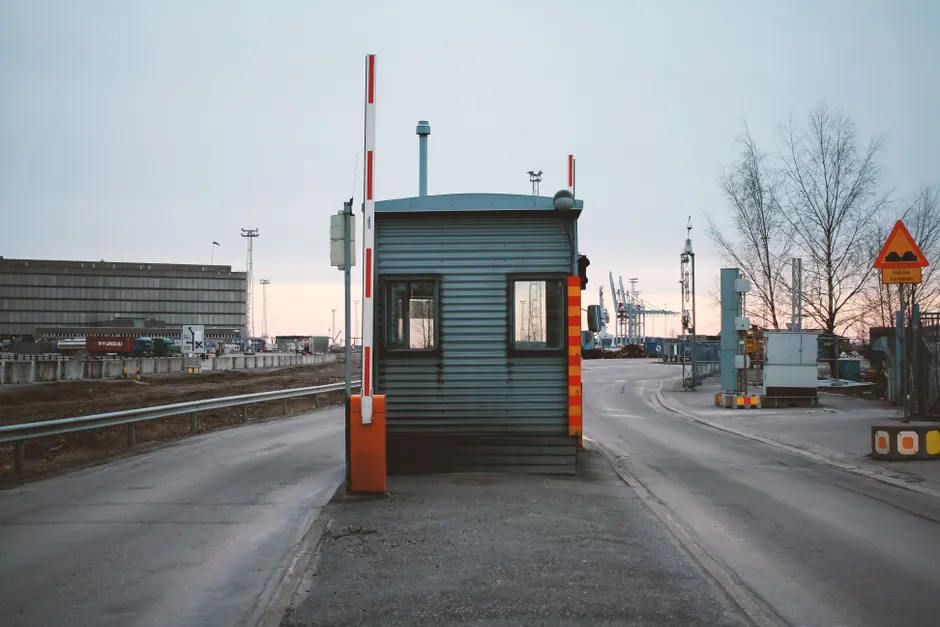
Italy has refused to lift border checks on people travelling from Spain, despite Spain giving Italy a two-day deadline to stop them. The checks will stay in place until at least August 15, 2026. This is the most direct clash between two countries in Europe's passport-free travel zone in recent memory. Al Jazeera
Spain delivered its ultimatum on Friday, August 7, giving Italy until the end of Sunday, August 9 to end the checks or face what Madrid called "proportional measures." Reuters Italy responded the same day, saying it would not bow to ultimatums from Spain. Al Jazeera
The dispute started on August 1, when Italian Prime Minister Giorgia Meloni announced temporary border checks with Spain. She called them "extraordinary" and said they were needed to protect national security. Italy suspended its passport-free travel agreement with Spain and closed its air and sea borders. The reason was a migration crisis in Ceuta. Euronews
Ceuta is a small piece of Spanish territory located on the coast of North Africa, bordering Morocco. Last week, about 72,000 people crossed into Ceuta from Morocco by foot and by sea. At least 100 people died during the rush. Most of those who crossed have since returned to Morocco. Al Jazeera
The situation inside Ceuta is still dire. Spain's Youth Minister Sira Rego said at least 1,342 of the migrants still in the enclave are children, and hundreds of them are unaccompanied. Ceuta authorities said at least 1,100 children needed help, but the enclave only had housing capacity for 90 people. Al Jazeera
Spain has also taken action on its own soil. Spanish police broke up a smuggling operation believed to have brought 2,000 migrants into the country through Spain's southeastern coast and the island of Ibiza. Al Jazeera
Italy's decision to stop border-free travel with Spain has drawn criticism, though. Analysts have called the move political rather than practical. They point out that the Ceuta crisis happened on Spain's southern border with Morocco, not on the border between Italy and Spain that Italy chose to close. Al Jazeera
The broader European context adds another layer. Twenty-two EU member states signed a joint letter accusing Spain of creating "pull factors" — conditions that attract people to migrate — that destabilise the bloc's borders. Al Jazeera The letter shows that Italy is not alone in criticising Spain's approach to migration. But Italy's decision to suspend passport-free travel on its own raises separate legal questions.
To understand the rules at play: most EU countries belong to a system called Schengen, which lets people travel between member countries without passport checks — similar to how you can drive from one US state to another without stopping at a border. Under the Schengen rules, countries can temporarily bring back checks for national security reasons, usually for up to two months with possible extensions. Italy's August 1 move fits within those rules on paper. What is unusual is that Italy targeted one specific country rather than applying checks to all borders, and that it linked the checks to a migration event on a completely different frontier.
If Spain carries out its threatened countermeasures, it would be the first time two countries sharing the euro currency have taken turns suspending passport-free travel with each other. Madrid has not said what the measures would look like, but the word "proportional" suggests Spain could impose similar border checks on Italian travellers.
The Sunday, August 9 deadline is now the decision point. If Italy stands firm, as it has promised, and Spain follows through, the European Commission — the body that runs the EU's day-to-day business — would face pressure to step in. It could try to mediate the dispute or start legal action against either country for breaking EU rules. The Commission has not spoken publicly yet.
The Ceuta crisis itself is about more than the fight between Italy and Spain. A crossing of 72,000 people in a single week, with at least 100 deaths, makes this one of the most severe migration events on European soil in recent years. The fact that over 1,300 children are stuck in a place with only 90 housing spots reveals a humanitarian gap that neither Spain nor the EU has fixed. The joint letter from 22 member states shows that Spain's handling of its southern border is now a Europe-wide issue, not just a Spanish one.
Looking at the strategic picture, Italy's border checks are set to last until at least August 15, nearly a week past Spain's Sunday deadline. That gap suggests Rome thinks Madrid will not escalate before the checks are due to end, or that the political cost of backing down is higher than the cost of Spain retaliating. Whether that bet pays off depends on what Spain does on Monday.