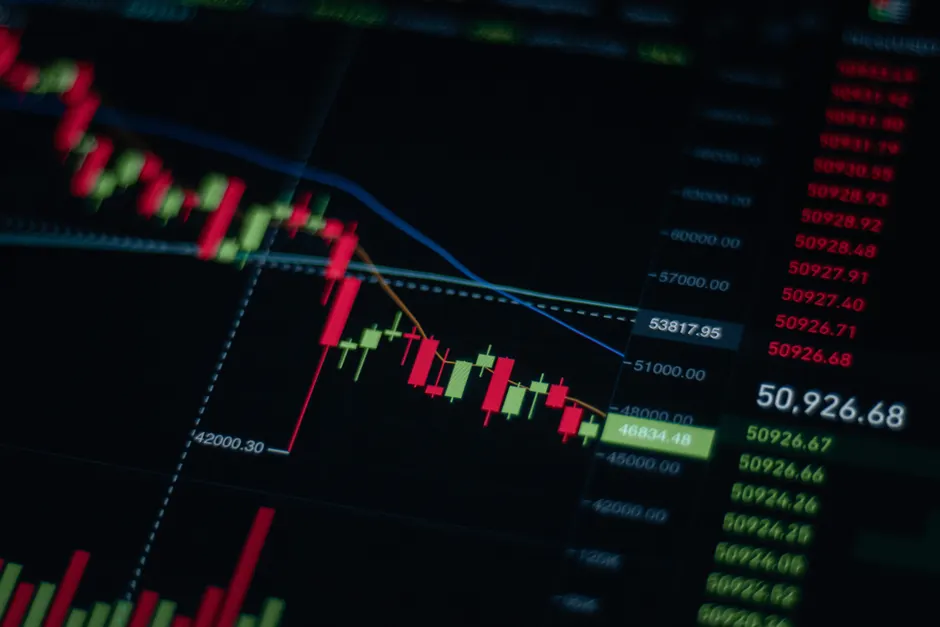
Goldman Sachs Bets Big on South Korea and Taiwan Tech Stocks. Here's Why.

Goldman Sachs Bets Big on South Korea and Taiwan Tech Stocks. Here's Why.
Goldman Sachs, one of the world's largest investment banks, has raised its forecast for South Korea's main stock index, the KOSPI, to 12,000 from 9,000. At the same time, it upgraded Taiwan's main index, the Taiex, to a higher recommendation with a target of 51,000. The reason both banks gave: artificial intelligence.
What does this mean in plain terms? Goldman is saying these two countries' stock markets could deliver stronger returns over the next year because their companies are in the right place to profit from the AI boom. The KOSPI could climb about 33% from where it stands today.
Why These Markets Matter for AI
Both South Korea and Taiwan sit at the heart of the global supply chain for AI. Think of it this way: just as oil companies profit when everyone needs energy, these countries profit because every AI system being built needs computer chips, memory, and specialized manufacturing.
South Korean companies like Samsung and SK Hynix make memory chips — the short-term storage that AI systems need to learn and process information. Taiwanese companies, led by Taiwan Semiconductor Manufacturing Company (TSMC), manufacture the actual chips that power AI. Both countries have also built up expertise in packaging and testing these components.
Companies in both markets have orders lined up well into 2027 for the chips that AI systems require. This gives them visibility — meaning they can see revenue coming — which makes them predictable investments compared to many other stocks.
What Goldman's Strategists See
Goldman's team, led by strategist Timothy Moe, argues that this AI boom is different from past tech bubbles. It is not pure speculation. Real companies are already deploying AI systems and getting measurable returns on their investment. Universities and governments are also spending on AI infrastructure. This creates genuine, lasting demand.
The bank points out that the current wave of AI spending looks more like the early cloud computing boom of the 2010s than the dot-com crash of 2000. In the 2010s, data centers and cloud services became a permanent part of how businesses operate. Many analysts believe AI will follow the same path.
In my view, this comparison holds weight. We have moved from a period where AI was mostly theoretical to one where businesses can point to concrete productivity gains. That shift matters. When investment is tied to measurable return, it tends to sustain longer than when it rests on hype alone. The question is whether current prices already reflect all of that upside — Goldman believes they do not.
Why Now? What's Changed in 2026
Goldman has raised its KOSPI target multiple times during 2026 as semiconductor and tech earnings have beaten expectations. The bank has also noted that both the Korean won and Taiwan dollar have stayed relatively stable against the US dollar, making it easier for foreign investors to buy stocks in these markets without worrying about currency losses.
Trading volumes in both markets have surged, which is a sign that big institutional investors — not just retail traders betting on a hunch — are moving money into these stocks. This adds credibility to the moves, though high volumes can also signal that prices may already be pricing in good news.
The Risks Worth Knowing
Concentration cuts both ways. Both the KOSPI and Taiex are weighted heavily toward technology and semiconductors. If AI investment slows or chip demand weakens, these markets would fall harder than more diversified indices. There is also no guarantee that current earnings will continue to grow as fast as investors expect. Chip manufacturing cycles can shift, and competitors in other countries could gain ground.
Goldman's targets assume that companies in both markets will keep delivering higher earnings over the next 12 months and that investors will remain willing to pay premium prices for those earnings. If either assumption breaks, the stock price targets become less reliable. This is why 12-month forecasts should be treated as educated guesses, not promises.
What This Means for You
If you own a global stock fund or an Asia-focused fund, you likely already have exposure to both South Korea and Taiwan through Samsung, SK Hynix, and TSMC. Goldman's upgrade does not change the fundamentals of those companies, but it does signal that major institutional money sees sustained opportunity in the region.
For individual investors, this serves as a reminder that a strong earnings outlook and global positioning can support stock prices over time — but high expectations also mean there is less room for disappointment. If you are thinking about adding exposure to Asian technology stocks, understanding why major banks are bullish matters more than following the forecast itself.