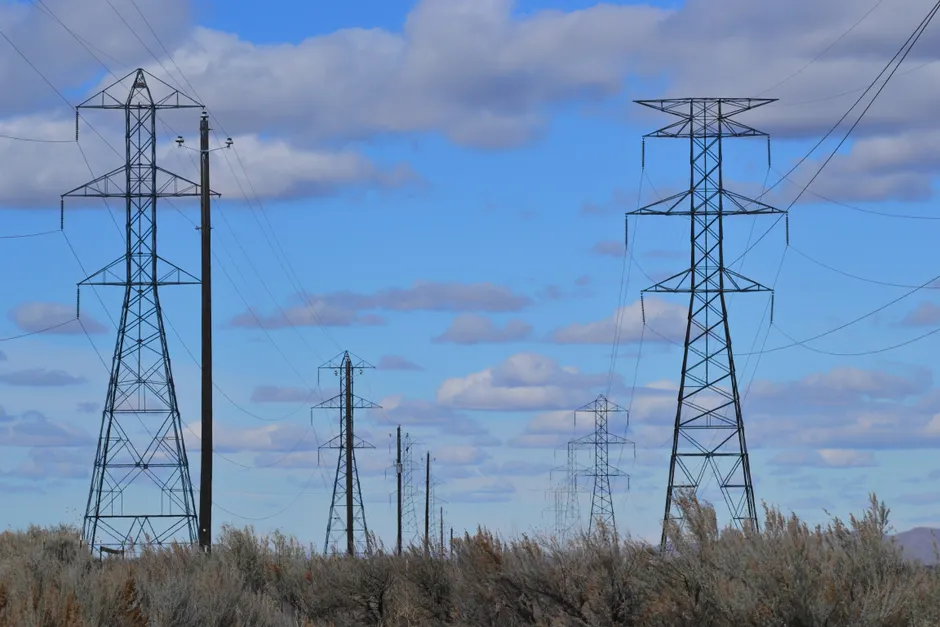
Britain's Grid Operator Gets New Power to Order Rolling Blackouts

Great Britain's National Energy System Operator (Neso) can now order short-notice, rotating blackouts to keep the electricity grid stable without needing emergency government powers. Under grid code changes approved by industry regulator Ofgem in July 2026 and effective the week of August 10, 2026, the system operator can order disconnections cutting electricity use by more than a fifth with only eight hours' notice, bringing rolling three-hour blackouts across the country The Guardian.
A Neso spokesperson described the measure as a 'last-resort contingency measure' to be used only in the most extreme and unlikely circumstances, after all other options are exhausted The Guardian. A list of 'protected sites' including hospitals, water treatment works and sites of national security interest would be exempt from the planned power cuts.
The new protocol fills a gap between two existing tools. Neso already held powers to call short-term cuts of up to a fifth of demand, tools unused since the 1970s miners' strikes. For prolonged disruptions, the government's electricity supply emergency code can only be enacted by the energy secretary and would initiate rolling blackouts affecting 90% of electricity users. That emergency code has never been invoked The Guardian.
In a proposal to the regulator, Neso said the new measures could be used more flexibly, initiated quicker, and designed for a shorter duration than the government's emergency code. Ofgem said the government's emergency powers were 'not suited for short-notice use', but the new protocol could provide a similar-scope tool initiated 'as quickly as possible' to respond to short-lived supply squeezes such as a cold winter evening The Guardian.
The grid code changes were approved weeks after control room whistleblowers at Neso accused senior leaders of trying to cover up blackout risk during a summer heatwave. On June 24, 2026, Neso issued an emergency call for an additional 500MW of power capacity, which The Guardian described as the grid-operator's largest breach of its summer margins. Neso expected to pay about £10m to secure enough extra electricity to meet demand as households turned on fans and air conditioning The Guardian. Two days later, Neso warned over power supplies in the heatwave while stating that electricity supply was not at risk and a blackout was not imminent The Guardian. On July 9, 2026, Neso issued another warning, asking for extra supplies from electricity generators to cope with added demand The Guardian.
The stakes of a grid failure are severe. In a worst-case scenario of an electricity system collapse, full restoration of electricity could require between five and seven days The Guardian. Under the Electricity System Restoration Standard (ESRS), Neso is required, in the event of a total or partial shutdown, to restore 60% of national demand within 24 hours across each of the seven regions Neso.
The institutional focus on restoration protocols and blackout prevention traces to the Iberian blackout of April 28, 2025, which affected Spain and Portugal. In September 2025, Neso published a summary of that event and pledged to secure Great Britain's electricity grid against blackouts, working on protocols to restore power after any nationwide blackout The Guardian Neso.
The broader context here is one of structural strain on the British electricity system. In June 2026, Neso said Britain must invest around £89 billion ($118 billion) through the 2030s to overhaul its power grid, citing new offshore connections Reuters. While Neso stated in mid-2026 that Britain would have enough energy during the summer despite Iran turmoil, it also flagged that electricity supplies were expected to come under most strain in early December Reuters.
Warnings about potential winter power cuts are not unprecedented. In October 2022, National Grid warned Britain could face three-hour planned power cuts to homes and businesses that winter if it could not import electricity from Europe Reuters. In August 2022, Britain was making plans for organised blackouts for industry and households should cold weather coincide with gas shortages Reuters. A November 2024 Reuters fact check concluded that Neso's analysis said consumer flexibility, not rolling blackouts, could play a role in Britain achieving its clean power goal by 2030 Reuters.
What sets the August 2026 rule change apart is the delegation of authority. By granting Neso the power to initiate large-scale disconnections without waiting for ministerial action, the regulatory framework shifts toward operational autonomy for the control room. The question for the coming winter is whether the new tools address the underlying capacity constraints or simply formalize the system's fallback position.