Britain's Grid Operator Signals Tight Power Reserves as European Heat Curbs Generation
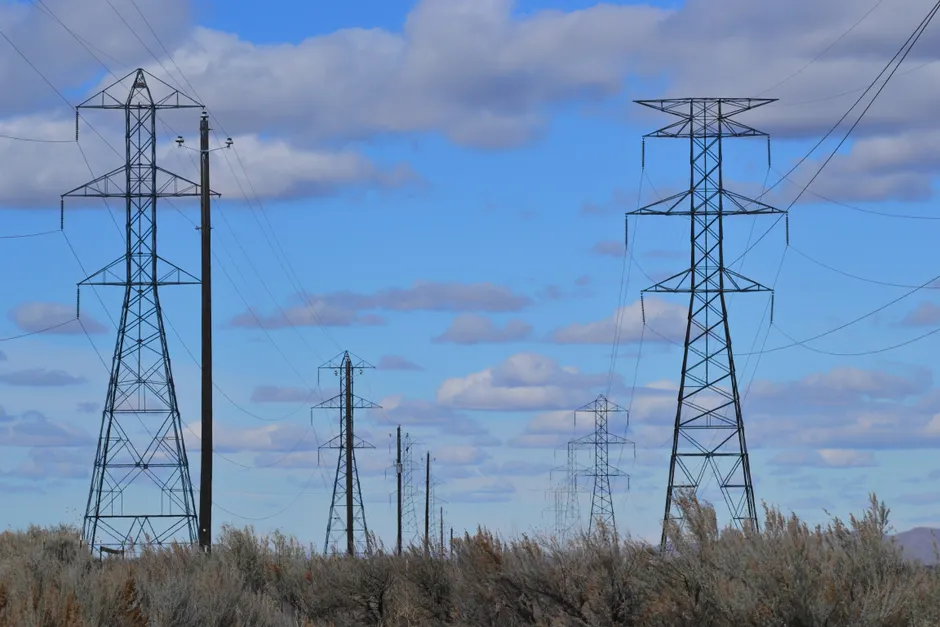
Britain's electricity system operator issued a margin notice overnight before Thursday, asking power plants to boost supply as forecasters predicted tight margins during the evening peak, with southern England expected to reach 34°C The Guardian.
Neso — the National Energy System Operator, which took over grid management from National Grid ESO in 2024 — attributed the tight margins to extreme temperatures across Europe reducing the available generation. The operator stressed that this margin notice was a routine balancing tool and that customer supplies faced no threat The Guardian. Electricity margin notices signal to the market that spare capacity is shrinking, prompting generators to bring additional plant online or adjust output. On their own, they do not indicate that blackouts are coming.
This is the third heatwave the UK has experienced this year and the second in two months to trigger an appeal from Neso. During the June heatwave, Neso made a similar request on a Friday evening, citing extremely high temperatures across Britain and continental Europe combined with weak wind generation Yahoo Finance. The Telegraph reported that Neso signalled plants to make "any additional generation capacity" available The Telegraph, while Montel News tracked the tightening on wholesale markets Montel. That June episode saw a provisional UK high of 37.7°C at Lingwood in Norfolk on 27 June, breaking the previous June record of 35.6°C from 1976 The Guardian.
Forecasters predict the current hot spell will persist beyond ten days, which raises the likelihood of additional margin notices rather than an isolated event. The pattern reveals a structural dynamic in how heat stresses the grid: electricity demand rises as air conditioning and fans draw more power, while thermal and nuclear plants simultaneously lose efficiency because the river and coastal water used for cooling becomes warmer.
This pressure extends across Europe. EDF, the French state-owned utility operating most of France's nuclear reactors, warned that the July heatwave was straining cooling systems, with output potentially reduced at up to five plants due to elevated river temperatures The Guardian. France typically exports significant amounts of electricity to Britain through undersea cables, so any drop in French nuclear output during continental heat stress directly reduces the import capacity Neso can tap when domestic demand is already high.
Britain's grid operator is juggling multiple, overlapping pressures: heat-reduced thermal efficiency, weak wind generation, and geopolitically constrained gas flows. In late June, Neso told Reuters that Britain would have adequate electricity supply for the coming winter despite disruptions to energy flows linked to the Iran war Reuters. That statement focused on winter adequacy — a different challenge from the summer peak-demand and cooling-constraint problems now emerging roughly every few weeks. Winter margin concerns typically involve firm capacity and gas availability during cold spells with little wind; summer margin notices increasingly centre on heat-driven demand spikes occurring at the same moment that heat reduces generation capacity, a combination that wasn't a major factor in grid planning a decade ago.
What matters here is whether this pattern becomes a regular seasonal feature or remains specific to an unusually hot 2026. Neso has treated each notice as routine, and technically that holds true — margin notices are a standard operating mechanism, not a sign of imminent blackouts. But the pace at which they have been triggered across two consecutive heatwaves, coupled with French nuclear derating on the other side of the Channel, suggests that the assumptions built into summer adequacy planning are being tested more frequently than in previous years.
Neso was formed when it absorbed the system operator functions of National Grid ESO, marking its first full year of independent operation as of 1 October 2025, with chief executive Fintan Slye reflecting on the transition Neso. How the organisation handles back-to-back summer heat events will likely shape assessments of its first year as a standalone operator.


