Mexico's Massive Security Plan for the 2026 World Cup: What You Need to Know

Mexico's Massive Security Plan for the 2026 World Cup: What You Need to Know
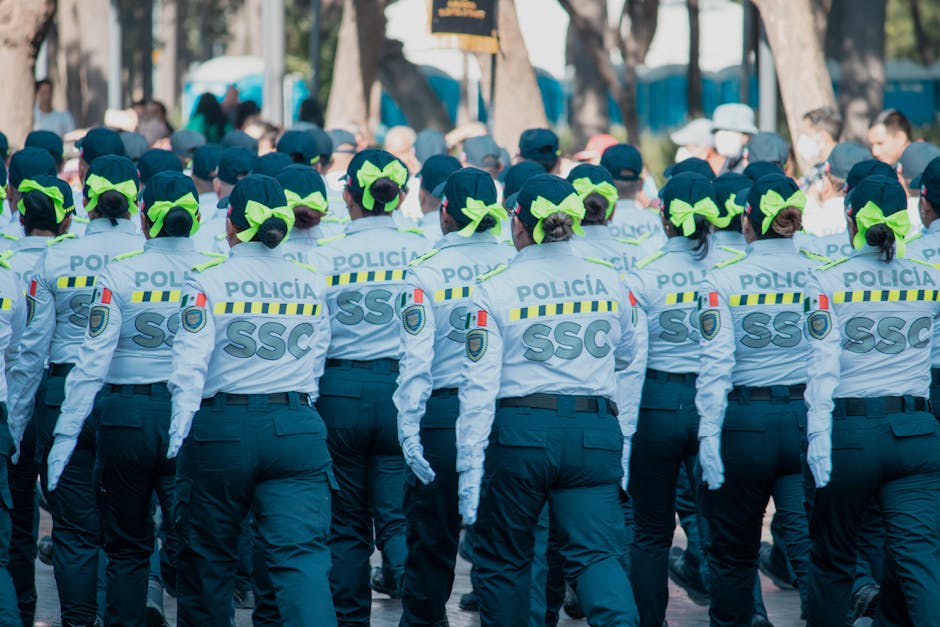
Mexico's Defense Ministry has announced Plan Kukulcán, a security operation deploying more than 99,000 personnel across three cities hosting the 2026 FIFA World Cup: Mexico City, Guadalajara, and Monterrey. The scale is striking—it's one of the largest peacetime security mobilizations Mexico has carried out, pulling together military forces, police, and specialized units from multiple agencies.
The plan involves about 20,000 personnel from the National Guard, Army, and Air Force, plus more than 55,000 from the Secretary of Security and Citizen Protection (a civilian agency). General Román Villalvazo Barrios oversees the operation, ensuring different security agencies work under one command structure rather than independently.
What's Happening in Monterrey
Monterrey will host four World Cup matches, including a round-of-16 game. Mexico's Defense Ministry will directly control security at the stadium, the main park area, and nearby airports. Roads around the stadium will close during matches, and hotels hosting FIFA officials and VIP guests will be under military watch.
Monterrey has also trained 166 local police and security officers specifically for the tournament, giving the city its own capacity to respond to incidents alongside the federal deployment.
One notable addition: Mexico is using robot dogs in stadium security. These devices patrol perimeters, detect potential threats, and monitor crowds without putting human officers in risky positions.
FIFA has asked fans and visitors to arrive early at matches to move through enhanced security screening—similar to what you'd see at major international events everywhere.
Why This Matters
The broader context here is important. Mexico is hosting this World Cup alongside the United States and Canada in a three-country arrangement, which adds layers of complexity. Large international sporting events have become moments when host countries showcase their ability to manage security effectively and maintain order. Mexico's decision to deploy this many personnel—and to place military leadership directly in charge—signals how seriously the government takes this demonstration.
This pattern shows up at recent World Cups and Olympics: countries increasingly treat these tournaments as tests of state competence and stability, not just as sporting events to facilitate. The scale of Plan Kukulcán suggests Mexico views the World Cup in that frame.
Coordination Across Agencies and Borders
Pulling together 99,000 personnel requires careful coordination. Different federal agencies, state governments, and local police all need clear instructions and compatible procedures. By placing Defense Ministry leadership directly over stadium security and critical infrastructure, Mexico has removed ambiguity about who is in charge if something goes wrong.
The integration of robot dogs and anti-riot units alongside traditional police also demands training and testing beforehand—these different tools and teams need to function as one system under pressure.
There's a further layer: security coordination with the United States and Canada. The three countries share threat information and need to align their approaches, even though they operate under different laws and procedures.
What Comes Next
Plan Kukulcán will be tested during the tournament itself. Mexico's authorities will likely measure success by whether incidents are prevented, crowds move smoothly, and the tournament runs without disruption.
The practical lessons Mexico gains—how military and civilian agencies coordinate, how new technology integrates into traditional security, how intelligence-sharing works across borders—will probably shape how the country approaches major events for years. Other nations watching may adopt similar approaches.
In my view, this operation tells us something worth observing: the World Cup has become not just a football tournament but a arena where governments demonstrate institutional capacity. How Mexico executes Plan Kukulcán will carry implications well beyond June 2026.