World Cup 2026 in Mexico: A Tournament in Cartel Territory
World Cup 2026 in Mexico: A Tournament in Cartel Territory
The Event and the Problem
In just two days, on June 11, 2026, Mexico City's Estadio Azteca will kick off the 23rd FIFA World Cup. This year is different in a big way: for the first time, the tournament is expanding to 48 teams and 104 matches, spread across 16 locations in Canada, Mexico, and the United States. The scale is historic. So is the security challenge that comes with it.
The tension is sharpest in Guadalajara, Mexico's second-largest city. The Estadio Guadalajara is scheduled to host four group-stage matches, which sounds routine until you learn one crucial fact: Guadalajara sits in Jalisco state, which is the home base of the CJNG—the Jalisco New Generation Cartel. The CJNG is one of the most powerful and aggressive criminal organizations in the Western Hemisphere. Bringing tens of thousands of foreign visitors, international media, and a global broadcast audience to a city where this cartel holds significant influence raises questions that go far beyond organizing parking and concessions.
How Mexico Is Preparing—and Why It May Fall Short
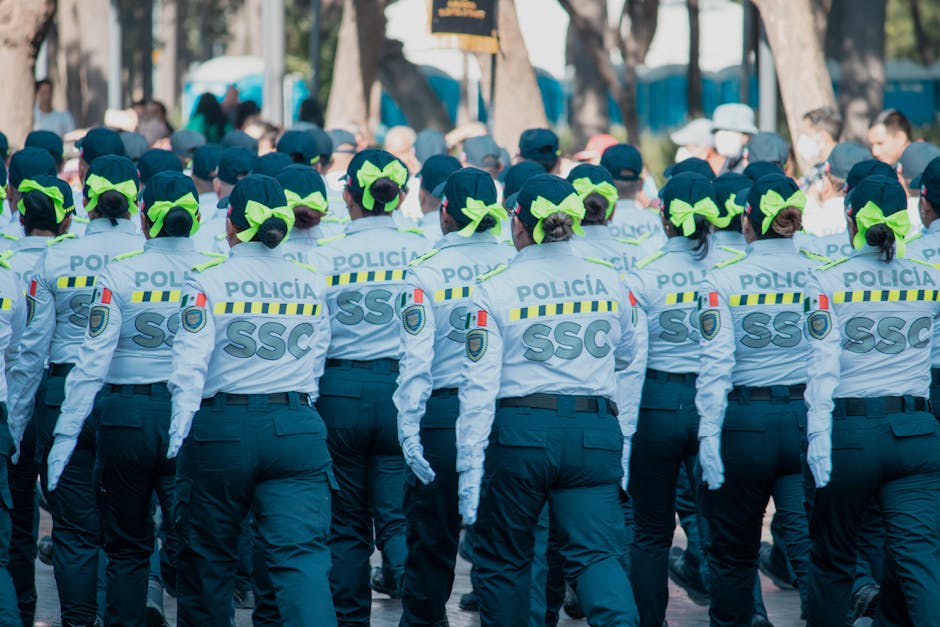
Mexico has increased security measures across its World Cup host cities. The government is deploying more federal police, coordinating with the military, and sharing intelligence with the U.S. and Canada. These are standard steps for a global sporting event—but they're being used against an adversary that has repeatedly outsmarted conventional law enforcement.
Here's the structural problem: Mexican cartels don't operate like traditional insurgent groups fighting for territory. Instead, they function as sprawling criminal businesses woven into local economies. They run extortion schemes, steal fuel, demand kickbacks from construction projects, and control street-level drug networks. These operations don't just disappear when police add checkpoints. A World Cup brings hotels, vendors, transport companies, and ticketing middlemen—all sources of income that cartels can tap into through extortion and forced partnerships.
Amnesty International has raised concerns that the tournament could become a platform for organized crime across North America. Notice the broad warning: Amnesty isn't just worried about shootouts or visible violence. Cartels have good reasons to avoid high-profile violence during a World Cup anyway. The real concern is the quieter exploitation—extortion, control of money flows, and manipulation of supply chains that tends to flourish around major events.
This distinction matters for anyone assessing risk in the region. The real threat isn't getting caught in gang crossfire. It's operating in an environment where protection payments, contract manipulation, and connections to criminal networks are simply how business works—not rare exceptions, but background conditions.
Learning From Brazil's 2014 World Cup
We've seen this scenario play out before. When Brazil hosted the World Cup in 2014, Rio de Janeiro's biggest security headache came from milícias—armed groups with roots in law enforcement who controlled slum neighborhoods near fan zones and stadiums. Brazilian authorities launched high-profile crime-reduction programs before the tournament; experts still debate whether these actually reduced violence or just pushed it elsewhere. The root causes—poverty, weak local government, economic exclusion—didn't disappear when the tournament ended. They were temporarily managed, then returned.
Mexico's situation differs in important ways. The CJNG operates on a much larger scale than Rio's milícias ever did, with reach into multiple countries, supply chains, and local government. But the underlying pattern is familiar: a government investing heavily in visible security measures while deeper problems remain unaddressed. History suggests this approach can buy time but rarely solves the underlying issue.
Three Countries, Three Different Concerns
This World Cup has a security complication no previous tournament faced: jurisdiction is split between the United States, Canada, and Mexico. Each country brings different laws, law enforcement resources, and different angles on organized crime.
U.S. authorities worry less about violence at American stadiums and more about the tournament serving as cover for smuggling operations—people, money, and drugs moving across the border hidden in the stream of World Cup traffic. The U.S. Department of Homeland Security and DEA have both stepped up border presence. Canada has its own problem: CJNG and allied networks have expanded into Canadian cities, especially in distributing the ingredients for fentanyl, so a massive international gathering is a chance for them to coordinate and recruit.
FIFA itself has limited power here. The organization negotiates security requirements with host countries but doesn't independently enforce anything. Still, FIFA's reputation is on the line in a major way. If the World Cup becomes publicly associated with cartel exploitation—even indirectly—that damages FIFA at a time when the organization has recently tried to clean up its image after corruption scandals.
What It Means for Guadalajara
For people living in Guadalajara, the World Cup is complicated. The city has a real soccer culture and genuine civic pride about hosting. But CJNG's presence isn't an abstraction for locals—it shapes everyday life in ways that visiting delegations' security briefings don't quite capture.
Local journalists and civil society groups have documented how CJNG influences public behavior in parts of Jalisco, sometimes restricting visible activity during sensitive operational periods. A World Cup might paradoxically mean a temporary calm—cartels understand that international incidents draw unwanted attention. But it won't change the fundamental situation. The tournament runs from June 11 to July 19, 2026. The cartels will still be there on July 20.
What Happens Next
The real test of how well Mexico manages this tournament will show up in a few specific ways worth watching. First, watch whether Mexican investigative outlets—particularly Animal Político and Quinto Elemento Lab—report extortion or protection payment schemes involving World Cup contractors and vendors. Second, track whether U.S. or Mexican authorities arrest cartel members connected to World Cup infrastructure or logistics, and how they publicly characterize those arrests. Third, check whether Amnesty International or similar organizations issue a post-tournament report on organized crime activity, which would give a clearer picture than what's possible before the event starts.
When the opening match kicks off at Estadio Azteca, hundreds of millions of people will watch globally. Most of what this article describes will remain invisible to that audience. That invisibility serves both Mexico's interests and the cartels'—for very different reasons.


