Congo Reports New Ebola Outbreak: Testing Years of Preparation

Congo Reports New Ebola Outbreak: Testing Years of Preparation
The Democratic Republic of Congo announced a new Ebola outbreak on May 15, 2026, setting in motion response plans built from hard lessons learned during outbreaks across the region. The timing matters: just eight months earlier, Rwanda confirmed its first Marburg virus outbreak (a related disease) on September 27, 2024. Both are filoviruses—a family of dangerous pathogens—and the region now faces heightened alert for both.
During Rwanda's outbreak, healthcare workers in the capital, Kigali, were hit particularly hard, highlighting a persistent problem: medical staff face occupational risks even as they treat patients.
Can Preparedness Systems Keep Up?
The real test now is whether the tools and systems built over the past decade actually work when disease emerges. Since the devastating 2014-2016 West Africa Ebola epidemic, the World Health Organization and regional health agencies have invested heavily in better diagnostic testing, vaccine strategies, and coordination frameworks.
In December 2024, the WHO released updated guidance on how to test for Ebola and Marburg virus. Earlier that May, the WHO's expert advisory panel on immunization held an emergency meeting to examine vaccination approaches—specifically ring vaccination, a strategy where you vaccinate people who had contact with infected patients, and then contacts of those contacts. This method worked during the 2018-2020 North Kivu outbreak in Congo itself.
The WHO updated its Ebola response toolkit in August 2024 with lessons from previous outbreaks. These tools now guide international response efforts, but their real-world effectiveness depends on one critical factor: how quickly health systems detect the disease locally and how well they function in areas where Ebola spreads.
Congo knows this virus well. Ebola was first identified near the Ebola River in the country in 1976, and Congo has faced multiple outbreaks over the past decade. Each brought different complications—remote geography, skeptical communities, armed conflict in some areas. Yet the country's surveillance system is stronger now than it once was.
Still, real weaknesses remain. Lab networks are scattered across the country rather than centralized. Getting vaccines to remote areas on schedule (maintaining cold chains) is logistically hard. And protocols for protecting health workers keep evolving as scientists learn more about how the virus spreads.
As of now, the U.S. Centers for Disease Control and Prevention reports no Ebola cases linked to this outbreak in the United States, though international health authorities are watching for any cases that might travel across borders.
How the Response Actually Works
When Congo declared the outbreak, it triggered a multi-step response architecture refined through years of experience. The process includes finding and confirming cases, tracking who had contact with them, running lab tests, and working with communities to accept control measures. All of this happens within security challenges that differ by region.
Ring vaccination will likely be the centerpiece of prevention efforts. The idea is straightforward: vaccinate the "ring" around confirmed cases. But executing it requires smooth coordination of logistics and, crucially, community trust and cooperation. That can take weeks to build.
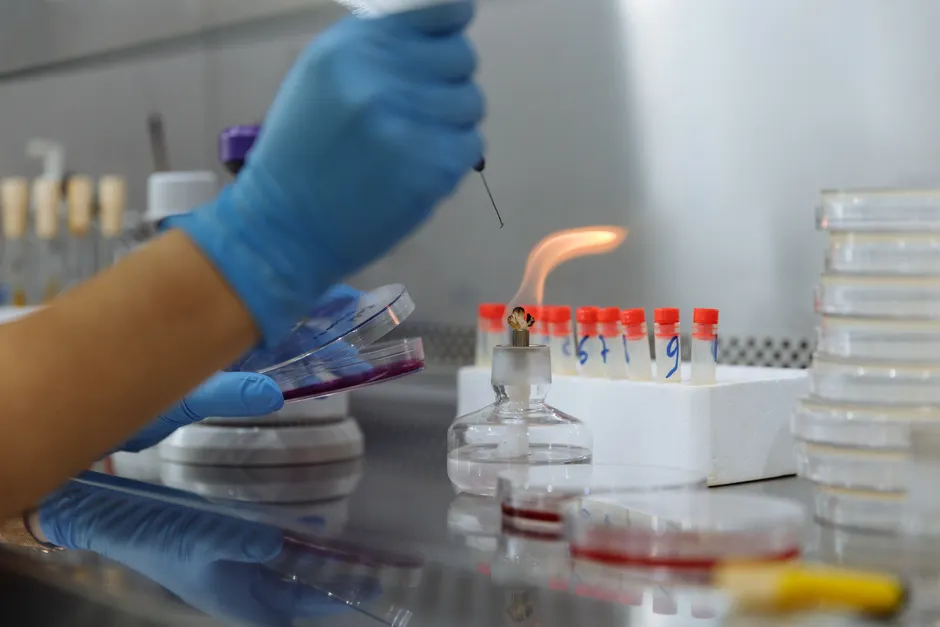
A major bottleneck early on is laboratory capacity. Confirming Ebola requires either very high-containment facilities (biosafety level 4 labs) or specialized mobile labs that can safely handle the virus. In reality, samples often have to travel long distances from remote areas to testing centers, which creates delays and makes it harder to track who is infected when.
Looking at what happened in past outbreaks, one pattern stands out: speed determines whether a disease stays contained or explodes into a multi-country emergency. The 2014-2016 West Africa crisis taught this lesson painfully. It's usually not the sophistication of the tools that matters most—it's how fast they actually get deployed in the field, under real conditions with all their complications.
Who Coordinates What
The outbreak declaration triggers formal notification rules under the International Health Regulations, a 2005 agreement that requires Congo to report its findings and response actions to the WHO on schedule. This lets the international community coordinate support while respecting Congo's authority over its own response.
Africa's CDC (the Africa Centres for Disease Control and Prevention) provides additional coordination through regional frameworks, though effectiveness varies depending on member countries' capacity and their political relationships. Surveillance across borders becomes especially important here, since the virus spreads through trade networks and family connections that cross national lines.
International help typically includes technical advisors, lab capacity, vaccines, and logistics support. But getting that help deployed is slower than it might seem—bureaucracy, security clearances, and the need to win over local communities all introduce delays that can't be rushed.
What Comes Next
The real question now is whether all this investment in preparedness actually delivers faster response than previous outbreaks. Watch for three things: how quickly cases are identified after symptoms appear, how fast labs return test results, and how quickly vaccines reach affected areas.
Community trust will be make-or-break. People in Congo have seen health interventions before—some helpful, some not. Skepticism is understandable. Ring vaccination works only if people cooperate with contact tracing, which requires real dialogue with local leaders and traditional authorities, not just orders from above.
There's also a harder issue beneath the surface. Decisions about which countries get vaccines first, and how many doses go where, will face scrutiny both for whether they make epidemiological sense and for whether they're fair. Global stockpiles of approved vaccines are limited, and that scarcity will force difficult choices.
This outbreak is a real-world test of whether the region's preparedness systems have matured enough to stop an epidemic before it spreads. The answer will shape how the world invests in outbreak prevention going forward.