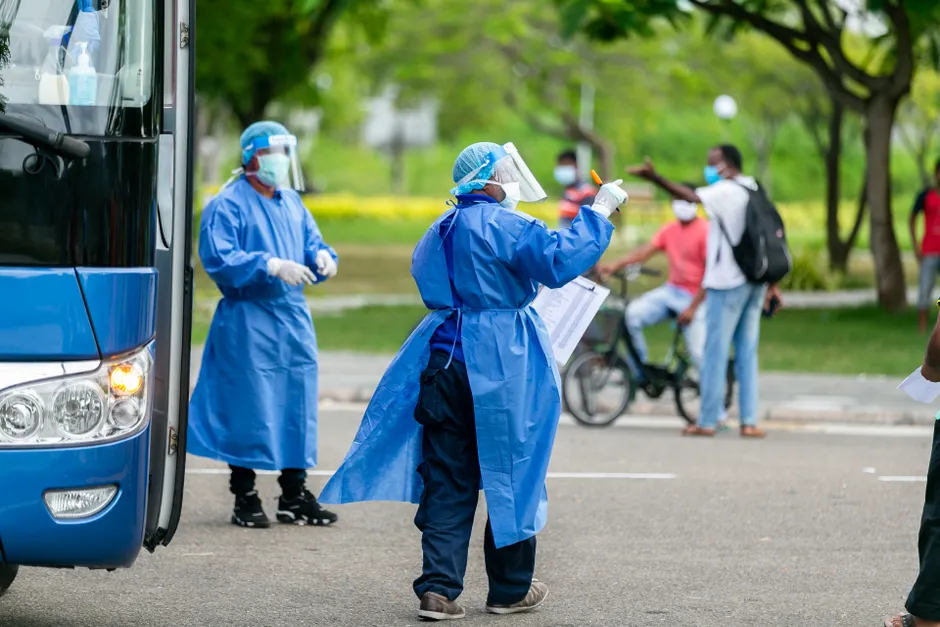
The 2026 Ebola Outbreak in Congo: What's Happening and Why It Matters
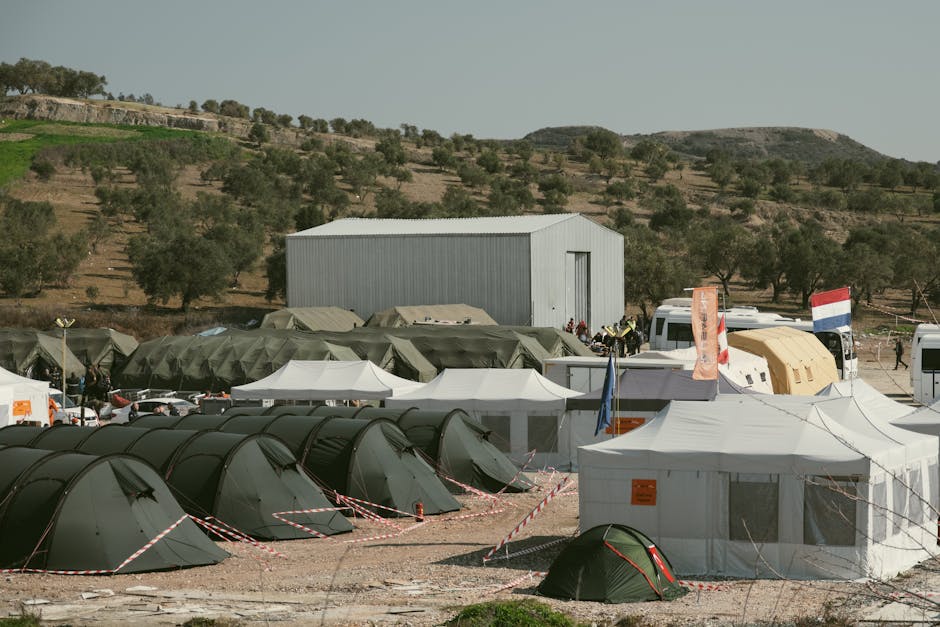
The 2026 Ebola Outbreak in Congo: What's Happening and Why It Matters
What We Know Right Now
As of early June 2026, the Democratic Republic of Congo is facing its seventeenth recorded Ebola outbreak since the virus was first identified in 1976. By June 6, health authorities had confirmed 515 cases and 91 deaths, according to WHO. A few days later, reports put the death toll slightly higher at 101 — the numbers are still moving as more tests come back from laboratories.
The virus causing this outbreak is the Bundibugyo species of Ebola. This matters because it's different from the strain that caused the massive 2014–2016 West Africa epidemic. Bundibugyo historically kills a smaller percentage of infected people — past outbreaks of this strain have seen fatality rates between 25% and 36% — compared to the more lethal Zaire strain. So far, this outbreak shows a 17.7% death rate among confirmed cases, which is notably lower.
But here's the catch: the confirmed cases don't tell the whole story. The DRC health ministry reported 867 suspected cases and 204 suspected deaths across three provinces. That gap between confirmed and suspected numbers is significant — it reflects how stretched the testing and transportation systems are in the affected areas. Many suspected cases haven't been lab-confirmed yet simply because there aren't enough resources to test them all.
The Outbreak Is Growing Fast
The pace of new cases is accelerating. In mid-May, there were only 33 confirmed cases but over 540 suspected ones. By late May, confirmed cases had climbed to around 125, with suspected cases topping 1,000. By June 6, confirmed cases had jumped to 515 — roughly quadrupling in just ten days. This could mean the virus is spreading faster, or it could mean labs are finally catching up with testing, or most likely both things at once.
There's another complication: the virus has crossed into Uganda. As of early June, Uganda confirmed its first cases, making this a multi-country crisis. That changes everything about how health officials approach containment, because coordination becomes harder when different countries are involved.
Why the Global Alert Matters
On May 15, 2026, the World Health Organization's Director-General declared this outbreak a "Public Health Emergency of International Concern" — or PHEIC. This is the highest alarm level under international health law, and it was formally announced the next day.
A PHEIC isn't a travel ban or a lockdown order. It's a legal mechanism. Under international health rules, it requires all 196 WHO member countries to take coordinated action and obliges WHO to issue emergency recommendations. More practically, it opens the doors to emergency funding, donor pledges, and cross-border cooperation frameworks that don't activate otherwise. For Congo, where every major Ebola response has depended on international money to pay for contact tracing, vaccination, and safe burial teams, the PHEIC declaration is the signal that resources will flow.
It's worth noting that Congo had declared a previous Ebola outbreak over just in December 2025. The fact that a new one emerged so quickly shows a deeper pattern: eastern Congo doesn't really experience gaps between outbreaks. Instead, the region cycles through them repeatedly. That's driven by the animals and environment there, the state of health infrastructure, and ongoing armed conflict — problems that one response operation can't permanently fix.
The Real Constraint: Armed Groups
The biggest obstacle to stopping this outbreak isn't the virus itself. It's armed groups operating in the affected provinces, which are actively blocking health workers from doing their jobs. This has happened before. During the 2018–2020 outbreak in North Kivu and Ituri provinces, health teams were repeatedly attacked as they tried to find cases and vaccinate contacts. That outbreak became the second-largest in history partly because security problems made containment so difficult.
Armed conflict creates multiple problems at once. On the ground level, it prevents health workers from safely entering communities to isolate sick people, trace their contacts, or conduct safe burials — the three main tools for controlling Ebola. At a broader scale, conflict forces people to flee their homes, which spreads the virus to new areas and breaks apart the social networks that vaccination depends on. And it disrupts the systems for sending samples to laboratories, which is why the gap between suspected and confirmed cases is so large.
Bundibugyo may be less deadly than other Ebola strains, but it spreads just as easily through direct contact with blood and body fluids. In a war zone with broken surveillance systems, that small advantage doesn't provide much comfort.
Learning from History
This situation echoes the 2018–2020 outbreak in Kivu. That outbreak was also declared a PHEIC, also happened in Ituri Province, and also faced armed group interference for its entire 22-month duration. It took over $900 million in international funding and the use of an experimental vaccine before it was controlled.
Here's the problem: that vaccine worked for the Zaire strain. Bundibugyo requires a different vaccine, and candidate vaccines for Bundibugyo are still in earlier stages of development. This means health teams can't rely on the proven vaccination strategy they used to end the last major outbreak. They're operating without a tested vaccine in a conflict zone.
What to Watch in the Coming Weeks
The next month or two will be critical. If confirmed case numbers keep growing faster than suspected cases get resolved, that might actually be good news — it could mean labs are testing more efficiently, even as the headlines show a higher total. But if suspected deaths keep climbing while confirmed cases stay relatively flat, that's a warning sign: it means many cases aren't being detected, and the real scale of the outbreak is hidden.
The spread into Uganda adds another layer. Uganda has better health infrastructure than eastern Congo and successfully contained an Ebola outbreak in 2022, so cases might be caught more quickly there. But having cases in two countries makes it much harder to track who's been in contact with whom across borders.
For governments, aid agencies, and international organizations, the PHEIC declaration has made the priority clear: resources need to be mobilized now. The real question isn't whether to respond. It's whether the security situation will actually allow aid workers to do the work that needs doing — and that's a problem that no amount of money alone can solve.