Six-State Primaries Set the Stage for November: Wisconsin's Governor Race Still Too Close to Call

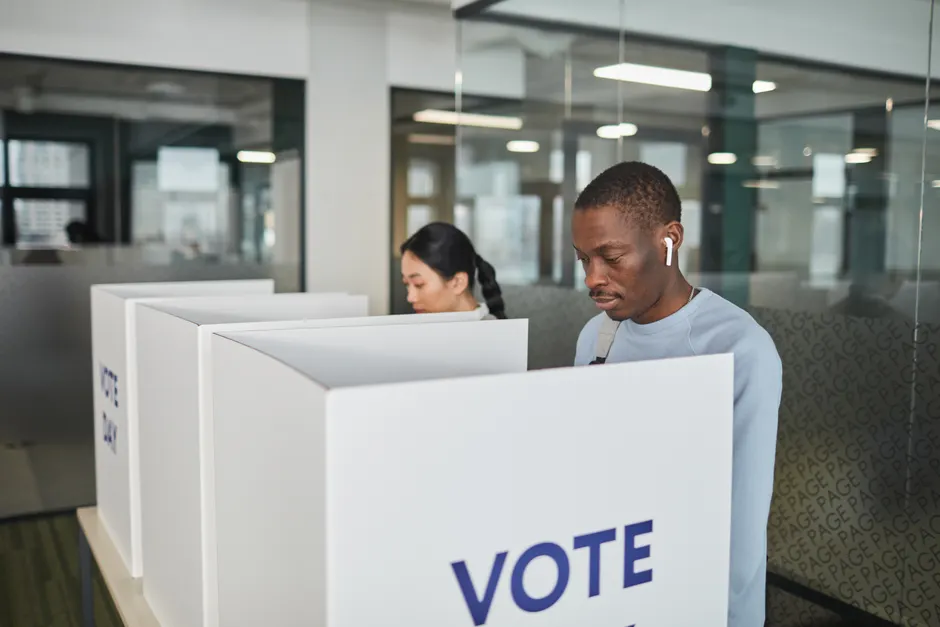
Voters in six states went to the polls on Tuesday, August 11, 2026, for primary elections (the first round of voting where each party picks its candidate) that set the stage for competitive governor and Senate races this November. Wisconsin's Democratic governor primary remained razor-thin as of Wednesday morning. (Al Jazeera, AP)
With 94 percent of votes counted, Milwaukee County Executive David Crowley led state Representative Francesca Hong 39.9 percent to 39.5 percent in Wisconsin's Democratic gubernatorial primary. Crowley had the endorsement of incumbent Governor Tony Evers, who is not seeking re-election. On the Republican side, U.S. Representative Tom Tiffany secured the GOP nomination with 95.3 percent of the vote. (Al Jazeera)
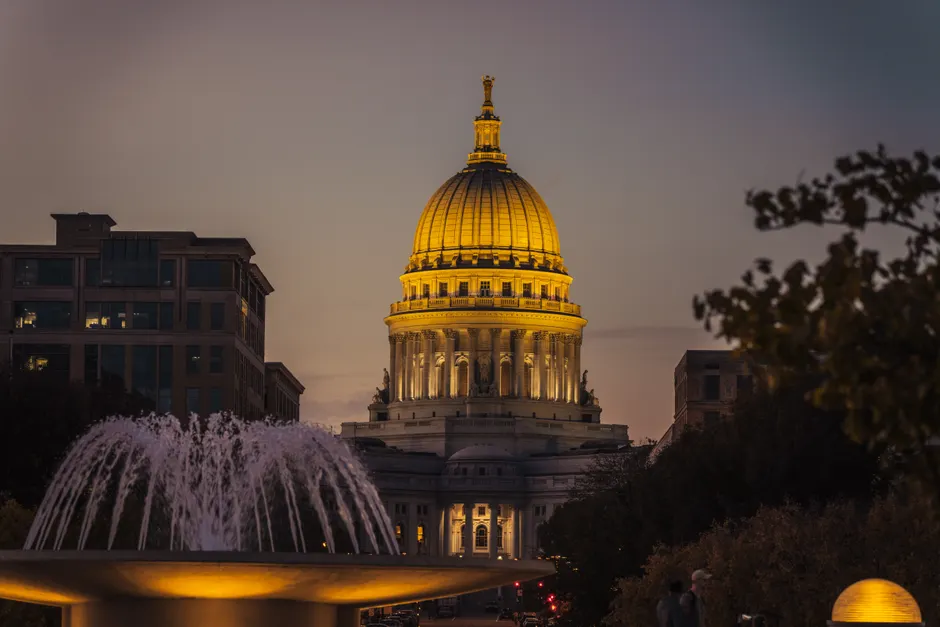
Wisconsin is a perennial battleground — a state that swings between parties and is contested intensely in every election cycle. It now features general-election contests for an open governor's seat that both parties will fight over. The less than half-percentage-point margin between Crowley and Hong, with roughly six percent of precincts (local voting districts) still outstanding, means the race may not be called for days. The winner faces Tiffany in November.
Vermont's Democratic gubernatorial primary produced another close result: Amanda Janoo won with 49.1 percent to Aly Richards's 46.5 percent. Republican incumbent Governor Phil Scott ran unopposed for his party's nomination and will seek another term. (Al Jazeera)
In Minnesota, Lieutenant Governor Peggy Flanagan won the Democratic Senate primary with 59 percent of the vote, defeating Congresswoman Angie Craig, who received 39.4 percent. Flanagan ran to Craig's left — meaning she campaigned on more progressive policy positions — and consolidated progressive support in a state where the party's centrist wing has historically dominated Senate primaries. On the Republican side, former MyPillow CEO Mike Lindell lost the GOP nomination for governor, ending a campaign that had drawn national attention but never gained traction with primary voters. (Al Jazeera)
Alabama's Republican gubernatorial primary was won by Rhett Marques, described as a Trump-favored candidate. The August 11 contest in Alabama was technically a special primary election for State Senate Districts 25 and 26, not a statewide primary. Alabama's statewide primary had already taken place on May 19, with a runoff (a second-round vote held when no candidate clears a set threshold) on June 16. (Al Jazeera, Alabama Secretary of State)
The Al Jazeera reference to Alabama's gubernatorial primary result likely reflects the cumulative outcome of the May and June contests rather than an August 11 statewide vote, which did not occur. This distinction matters: conflating special legislative primaries with statewide nominating contests can distort perceptions of voter turnout and engagement.
Michigan's Democratic Senate primary, held in early August, was won by progressive candidate Abdul El-Sayed. His nomination, alongside Flanagan's win in Minnesota, points to a pattern this cycle of progressive candidates winning Senate primaries in Upper Midwest states. El-Sayed and Flanagan will both compete in November general elections that will help determine the Senate's balance of power.
South Carolina held a U.S. Senate Special Republican Primary on August 11, 2026, affecting all 46 counties. The State Election Commission conducted hand-count audits of the results. A candidate was added to the ballot during the lead-up to the primary, a procedural development flagged by the commission in early August. South Carolina's statewide primaries had previously concluded on June 9, with runoffs on June 23. (SC Votes, SC Votes)
Connecticut also held primaries on August 11. The full results from that state were not separately detailed in the available reporting.
The wider context here is worth considering for anyone tracking the 2026 cycle. Several of these races feature open or competitive seats in states that will shape control of governorships and the Senate. Wisconsin's governor's race, the Minnesota Senate seat, and the Michigan Senate race are all rated as competitive by national analysts. The progressive wins in Michigan and Minnesota, in particular, will test whether left-flank Democratic primary candidates can expand their coalition in a general-electorate setting, a question the party has grappled with in recent cycles.
The night's most enduring image may be the Wisconsin margin. A gap of four-tenths of a percentage point, with votes still being counted, is a reminder that in a handful of battleground states, primaries can be as close as general elections. Both campaigns will be watching the remaining precincts closely.