A Military Strike and Ceasefire Talks Collide in Gaza

A Military Strike and Ceasefire Talks Collide in Gaza
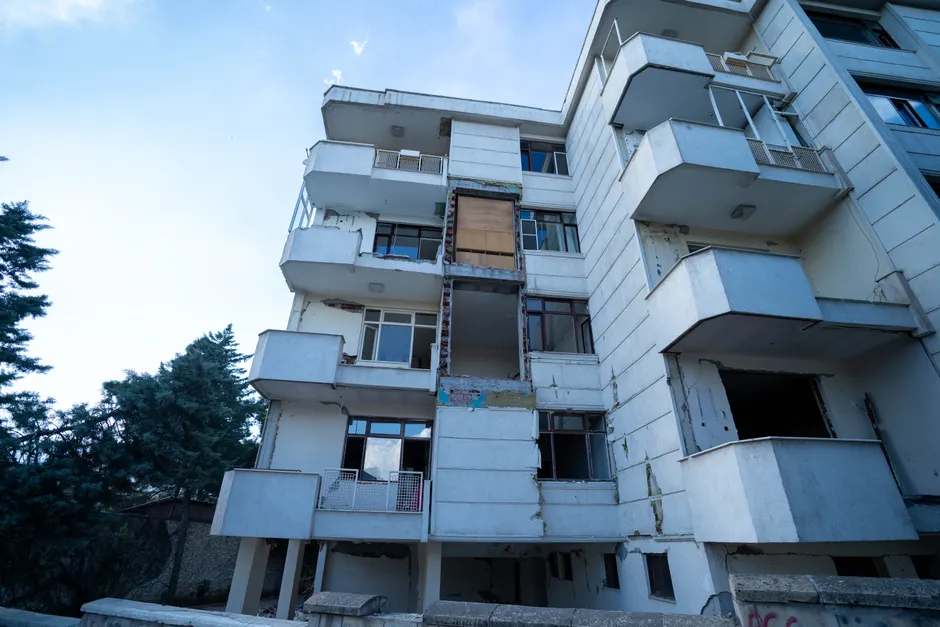
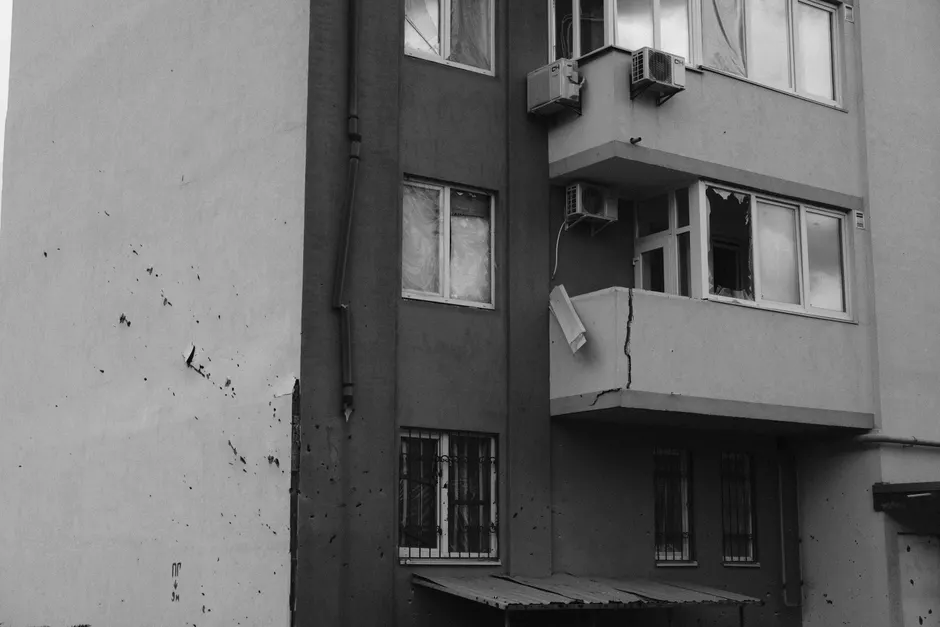
On Friday, December 19, 2025, an Israeli military strike hit a school being used as a civilian shelter in Gaza City during a wedding gathering, killing at least six Palestinians. The timing was striking: at that same moment, senior officials from Qatar, Egypt, and Turkey were sitting down with American counterparts to negotiate the next steps of the ceasefire agreement that Israel's military actions are accused of repeatedly breaking. Steve Witkoff, President Donald Trump's special envoy for the Middle East, was preparing to open these talks in Miami, Florida.
This collision—bodies being pulled from rubble while diplomats sit at a negotiating table—is not accidental. It is the core tension defining this conflict right now.
Understanding the Ceasefire Framework
The US-brokered ceasefire agreement began in October 2025. It laid out what negotiators called a "phased pathway"—essentially a step-by-step approach toward ending fighting in Gaza.
Phase one agreements typically focus on the immediate needs: getting humanitarian aid into the territory, releasing detainees on both sides, and reducing active military operations. But they leave the harder, longer-term questions for later phases—like who will govern Gaza afterward, how reconstruction will happen, and what permanent peace arrangements might look like.
Witkoff's Miami talks were designed to tackle those later phases. Qatar, Egypt, and Turkey each have distinct roles in this conflict: Qatar serves as the main back-channel to Hamas's political leadership; Egypt controls Gaza's southern border and provides security there; Turkey has deep ties to Hamas that give it influence no Western country can match. Bringing all three together in one American-hosted session signals that the US is trying to build a unified negotiating group rather than shuttle back and forth between separate talks—a shift in how they're approaching this.
The Question of Broken Agreements
According to the Gaza Government Media Office, the December 19 wedding strike was one of hundreds of Israeli ceasefire violations since October 2025. Al Jazeera reported this claim directly from that source.
This framing matters. The Gaza Government Media Office operates under Hamas administration, so it is not an independent observer. Its count of violations is a political statement as much as a factual one. That said, individual incidents like the wedding strike are well-documented—civilian casualties at displacement shelters are among the most extensively recorded events in this conflict. But the "hundreds of violations" figure comes from one party to the dispute, so it carries that bias.
What is clear is the broader pattern: ceasefire agreements in Gaza, like in other prolonged urban conflicts, rarely produce clean stops. Instead, they produce disagreements over what the terms mean, uneven enforcement, and ongoing incidents that both sides interpret through their own legal and military frameworks. Israel consistently says its operations target Hamas infrastructure and personnel, even when they are mixed in with civilian areas. Palestinian officials and international humanitarian organizations dispute whether Israel is being proportionate and whether it is choosing the right targets.
The deeper context here is that ceasefire agreements work only when both sides have enough incentive to stick to them—and when events on the ground do not make that politically impossible for one side or the other.
The School-as-Shelter Problem
The building hit on December 19—a school being used as a civilian shelter—sits at the center of two legal debates that keep reappearing in this conflict. Under international humanitarian law, civilian buildings like schools can lose their protected status if they are used for military purposes. But that determination must be made case-by-case with actual evidence, and the burden falls on the attacking party to prove military use.
Gaza's displacement crisis has forced hundreds of thousands of people into schools, hospitals, mosques, and other civilian buildings because there is nowhere else to go in many areas. The humanitarian need and the military-legal question have been on a collision course throughout this conflict. The December 19 strike shows exactly why: a wedding at a displacement shelter is not a military event, but whether anything else in or around that building was a military target is a question the parties themselves will likely never agree on.
This gap—between the humanitarian reality and the legal interpretation—keeps producing casualties and irresolvable disputes about what happened and why.
Why Miami, and Why Right Now
Holding ceasefire talks in Miami is unusual. High-stakes Middle East diplomacy has historically happened in regional capitals like Cairo or Doha, or in European cities like Geneva and Vienna. Choosing a Florida city signals deliberate informality—possibly an attempt to keep talks quiet and low-pressure while still getting the key decision-makers in the same room.
We have seen this pattern before. The Oslo peace process, which made progress in the 1990s, was deliberately routed through a back-channel in Norway to escape the media glare and performative pressure of official summits. Back-channel talks can help people move faster because there is less public grandstanding. The risk, as Oslo eventually showed, is that agreements made quietly can lack the public support and institutional structures needed to actually survive.
Whether the Miami talks are affected by the Gaza City strike that same day is unclear. Professional mediators in these processes are trained to separate battlefield events from table dynamics—if they could not, ceasefire negotiations in active conflict zones would never work. But delegations report what happens to their political leaders back home, and those leaders respond to public pressure. A strike on a wedding at a shelter, on the opening day of talks, is not background noise.
What Happens Next
Phased ceasefire agreements have predictable flash points. Phase one deals are usually easier to reach because they deal with immediate, short-term problems. Phase two gets much harder because it requires answering the existential questions: Who will govern Gaza permanently? What happens to Hamas's armed wing? What about Israeli hostages still held captive? How will reconstruction be paid for and managed? What will Gaza's relationship be to any future Palestinian government?
Each of these questions has political groups inside Israel, among Palestinians, and in Qatar, Egypt, Turkey, and the United States that care deeply about the answer—and many of these groups want different things. Witkoff's Miami talks are an attempt to build enough momentum on phase two that the political cost of walking away becomes higher than the cost of staying at the table.
Whether that strategy works depends on factors no mediator can fully control: the next military strike, the next political speech by a leader, the next power struggle inside Hamas, the next Israeli government decision. Ceasefire processes in Gaza have collapsed before, not because mediators failed at the negotiating table but because events on the ground made it politically impossible for one or more parties to continue.
The six people killed at a wedding in Gaza City on December 19 are the human reality behind these calculations. The diplomats in Miami are the institutional response to that human cost. The gap between those two realities is the story of this conflict's current phase—and it is widening, not narrowing.