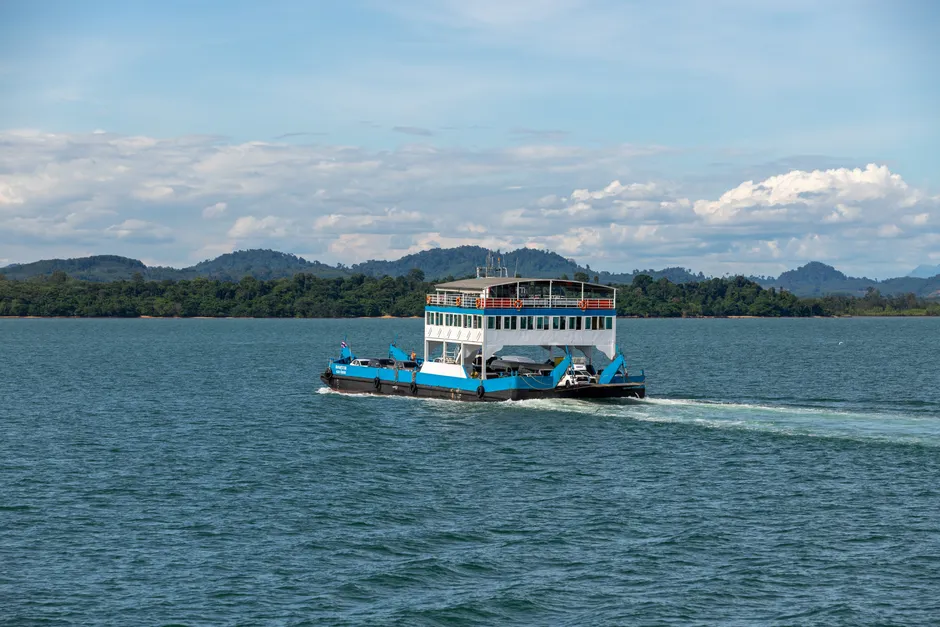
Lake Kariba Ferry Disaster: What Happened and Why the Toll Keeps Rising
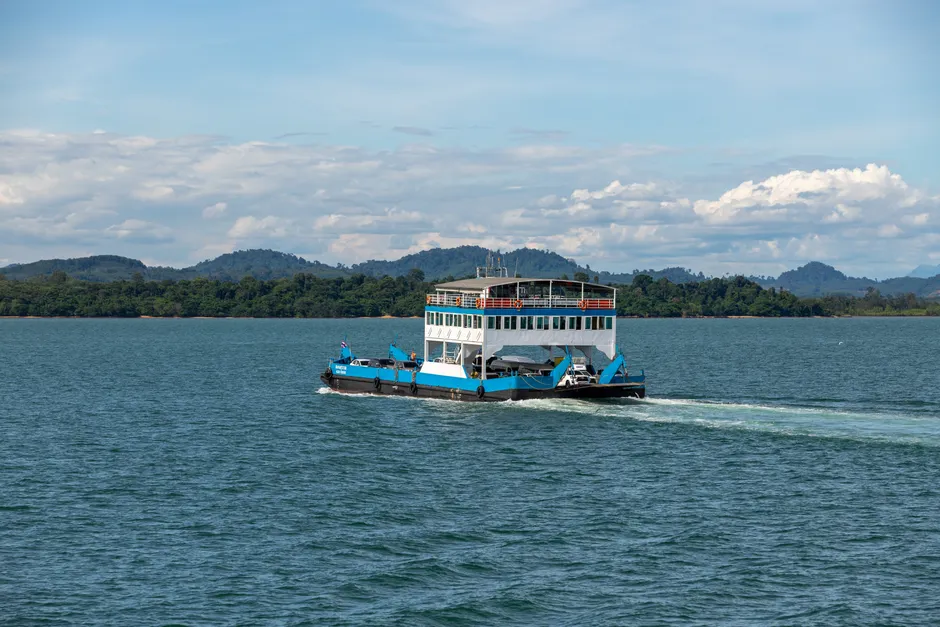
At least 44 people died when an overloaded passenger ferry capsized on Lake Kariba in Zimbabwe in August 2026, prompting the government to declare a State of Disaster as rescue and recovery operations continued.
The Zimbabwe Republic Police reported that the vessel was carrying roughly 90 passengers when it overturned on the lake. Zimbabwe's national disaster management agency initially put the death toll at 15 with 27 missing, but that number climbed sharply as recovery efforts progressed, reaching at least 44 by August 12, 2026. Police later indicated that more than 90 people were feared dead overall — a figure that exceeds the initial passenger count and suggests either that the passenger manifest was inaccurate or that additional unrecorded passengers were aboard. At least 53 people were rescued from the water, according to SABC News.
Survivors described pleading with the crew to turn back before the ferry capsized, a detail that points to worsening conditions on the water and possible awareness among those on board that the vessel was in trouble before reaching a point of no return. A surviving crew member, Anyway Chambati, said some people survived by standing on top of the capsized ferry's hull after it overturned, awaiting rescue.
Lake Kariba, one of the largest artificial reservoirs in the world, straddles the border between Zimbabwe and Zambia. Ferries operating on the lake serve as a lifeline for passengers and goods in areas where road infrastructure is limited or nonexistent. Overloading is a recurring hazard on inland waterways across the region, where regulatory enforcement is uneven and operators face strong economic pressure to maximize passenger and cargo loads per crossing. The exact cause of the capsize has not been definitively established, but the confirmed overload condition and survivor accounts of deteriorating conditions together form the emerging factual picture.
A State of Disaster declaration — a formal step that unlocks emergency funding, personnel, and equipment — also signals that national authorities consider the scale of the event beyond the response capacity of local and provincial structures. The police figure of more than 90 feared dead, if confirmed by the recovery effort, would place this incident among the deadliest ferry disasters on an African inland waterway in recent years.
The gap between the initial agency figures and the rapidly rising death toll reflects the operational reality of disaster reporting in the early hours of a mass-casualty event on a remote body of water. Initial counts tend to capture confirmed fatalities and known missing persons; as recovery teams reach the site and reconcile survivor accounts against any available passenger records, the numbers typically climb. In this case, the jump from 15 confirmed deaths to at least 44 within roughly 24 hours followed that pattern, and the police projection of over 90 feared dead suggests the final count may rise further still.
The broader context here is that the discrepancy between the reported passenger count of 90 and the police figure of more than 90 feared dead raises questions about manifest accuracy and passenger registration practices on the route. On many inland ferry operations in the region, informal boarding practices mean that actual passenger numbers frequently exceed those recorded, complicating both rescue planning and post-incident accountability.