Zimbabwe's Deadliest Ferry Disaster: What Happened on Lake Kariba and Why It Matters
At least 92 people have died after a ferry capsized on Lake Kariba in Zimbabwe on August 11, 2026, making it the deadliest maritime accident in the country's history. Police confirmed the updated death toll on August 17, after recovering eight more bodies from the water. The count had risen steadily over six days, from 44 confirmed dead within the first 24 hours to 84 by August 16, before reaching the current figure.
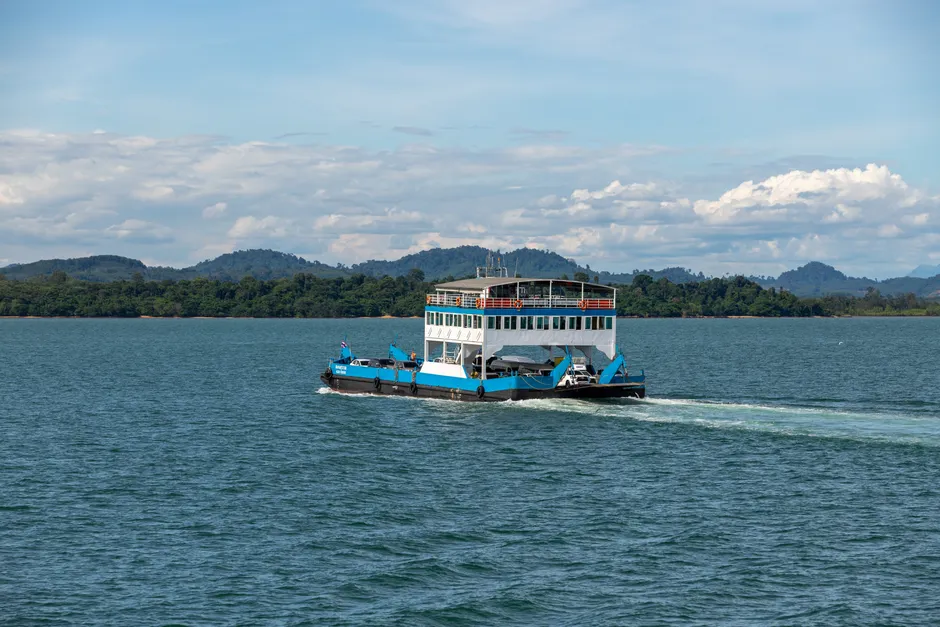
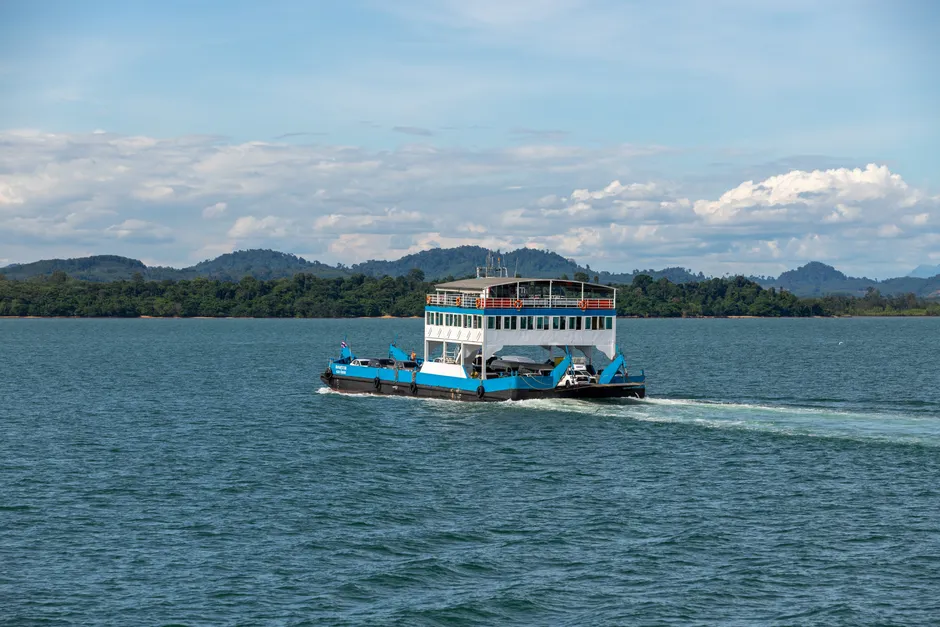
The ferry was travelling from the town of Kariba in northern Zimbabwe toward rural fishing communities in the northwest when it overturned in high winds. Authorities say the vessel's rated capacity was 90 people, but they have not confirmed how many were actually on board. Reporting by the Associated Press and France 24, which identified the ferry as a government-operated boat, indicated it was carrying as many as 153 passengers and crew. If that higher figure is accurate, the ferry was operating at nearly 70 percent above its certified limit.
At least 18 children are among the dead. Zimbabwe's disaster management agency reports 77 people rescued. Because the total number of passengers remains unconfirmed, the count of those still missing is uncertain.
Police have deployed four boats and more than 40 divers to search for remaining victims. The slow rise in the death toll reflects both the scale of the disaster and the difficulty of working in Lake Kariba, Africa's largest man-made reservoir by volume. The lake is known for its depth and unpredictable conditions, which complicate underwater recovery.
President Emmerson Mnangagwa called the incident "tragic" and said it exposed "serious deficiencies that needed to be addressed immediately." He did not specify which deficiencies he meant, but his statement points toward the questions that have surrounded the disaster from the start: how a government-operated vessel came to carry nearly twice its authorized load, what safety inspections were in place, and whether weather warnings were issued before the ferry departed. His acknowledgment of institutional failure before any formal inquiry has reported suggests the political costs of the disaster have already registered at the highest level.
The broader context here is the recurring pattern of fatal ferry accidents on African inland waterways, where overloaded vessels, weak enforcement of passenger limits, and sudden weather changes combine with deadly frequency. Lake Kariba straddles the Zimbabwe-Zambia border and serves as a vital transport route for communities with limited road access, meaning demand for passage routinely exceeds the capacity of available boats. The pressure to overload is common across the region, but because this ferry was government-owned, direct institutional responsibility falls on Zimbabwe's administration in a way that privately operated disasters do not.
The death toll may still climb. Police have not said how many people remain unaccounted for, and the numbers do not fully reconcile: the highest passenger estimate of 153, set against 92 confirmed dead and 77 rescued, leaves a gap that recovery teams are still working to close. Divers operating at depth face diminishing returns as time passes, and the lake's conditions continue to complicate the search.
Three things will determine how this disaster is ultimately understood. First, the final reconciliation of passenger numbers against the dead and rescued will establish the true scale of the catastrophe. Second, the specifics of any government investigation — particularly whether it addresses the enforcement failures that allowed a state vessel to sail at excessive load — will reveal whether the response goes beyond words. Third, whether Mnangagwa's call for immediate action translates into concrete regulatory measures or remains rhetorical will indicate whether this disaster changes how Zimbabwe's inland ferries operate.